
Beyond the Catalog: Crafting Professional Learning That Sticks
In an era of tight budgets and escalating demands for school improvement, education leaders are facing a formidable challenge: how to foster meaningful learning without breaking the bank. The allure of off-the-shelf professional development programs is strong, promising quick fixes and ready-made strategies. Yet, these generic approaches often fall flat, failing to connect with the unique realities and existing strengths of a district's staff, ultimately leading to wasted resources and minimal impact.
The Pitfalls of One-Size-Fits-All Development
When professional learning initiatives are disconnected from a district's current improvement efforts, their effectiveness plummets. Leaders find themselves implementing ideas that don't align with established structures or staff capabilities. This disconnect breeds frustration and a lack of buy-in, leaving educators feeling overwhelmed and unsupported.
The key, experts suggest, lies in professional learning that is deeply customized. It must adapt to existing frameworks and leverage the inherent strengths of the educators it aims to serve. This approach avoids the costly and disruptive process of starting from scratch, instead building upon past investments and energizing staff for forward momentum.
Four Pillars of Tailored Professional Growth
Effectively customized professional learning can often be more cost-efficient than pre-packaged solutions. By targeting specific, relevant learning needs, these programs save valuable time and resources. Customization also allows for the careful sequencing of learning activities, making them more budget-friendly, even during periods of financial constraint.
Leaders may not realize the extent to which professional learning can be adapted to their specific contexts. Four critical areas offer significant opportunities for customization, ensuring that development efforts are both impactful and sustainable:
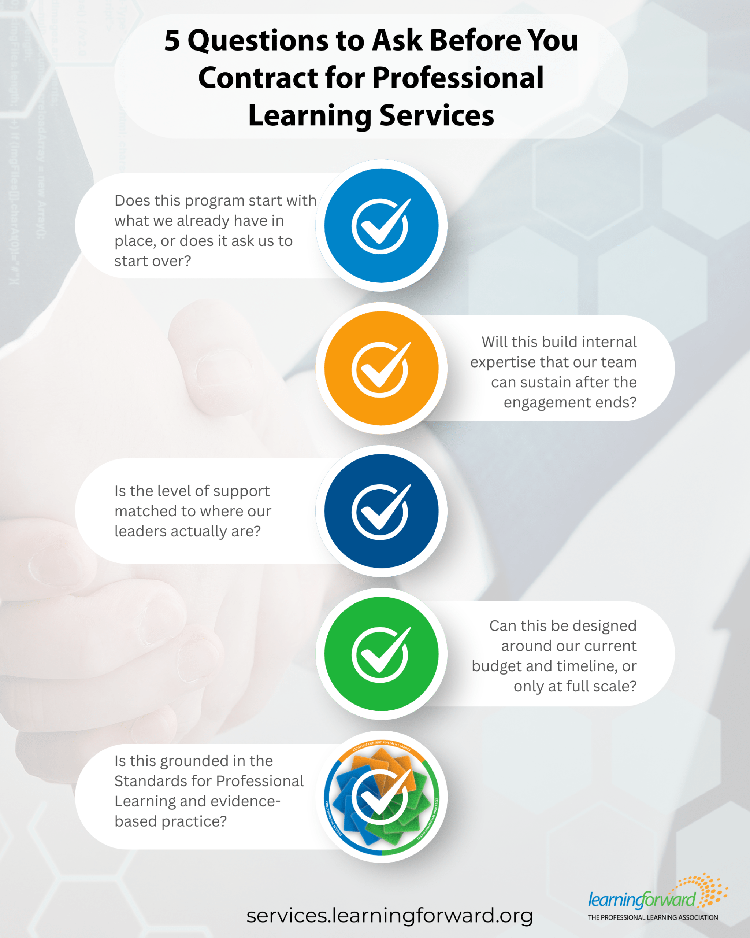
1. Anchoring in Existing Strengths
The most potent professional learning begins by identifying and building upon what is already working well within a district. Instead of imposing new models, leaders can collaborate to pinpoint logical starting points for desired changes. This involves a comprehensive look at systems, campuses, and individual educator practices.
By examining existing strategic goals, initiatives, and structures, customized learning programs can seamlessly integrate into the current landscape. The process starts precisely where the district is, not where an external program dictates it should be, fostering a sense of ownership and relevance.
2. Cultivating Internal Capacity for Scalability
A hallmark of impactful professional development is its ability to foster in-district expertise, enabling sustainable scaling of improvement efforts. The goal extends beyond delivering learning sessions; it involves equipping leaders with the knowledge and skills to sustain growth long after external support concludes.
This includes providing specialized support for troubleshooting implementation challenges as programs are scaled across different teams, grade levels, or content areas. Building this internal capacity ensures that improvements are not fleeting but become embedded in the fabric of the school system.
3. Matching Support to Existing Expertise
The most effective professional learning programs act as complements, not replacements, for the existing knowledge and leadership styles of educators. Consultants should aim to enhance, rather than supplant, the expertise already present within the organization.
By carefully assessing the current skill levels and experience of program leaders, support can be tailored to provide precisely what is needed. This might involve advanced strategies for seasoned educators or foundational support for those newer to certain initiatives, ensuring that learning is always at the appropriate level.
4. Designing for Budgetary Realities and Timelines
Customization inherently allows for greater flexibility in accommodating budgetary constraints and project timelines. Instead of fixed, often expensive, program costs, tailored approaches can be designed to fit available financial resources and strategic pacing.
This means that professional learning can be structured in phases, with deliverables aligned to specific funding cycles or operational calendars. The focus shifts from a rigid program structure to a flexible partnership that prioritizes impact within the given parameters, ensuring that improvement efforts can move forward even in challenging financial climates.
By embracing these strategies, education leaders can move beyond generic solutions and cultivate professional learning programs that are not only effective but also deeply integrated, sustainable, and responsive to the unique needs of their educators and students. This forward-thinking approach is essential for driving continuous improvement and fostering a culture of lifelong learning within our schools.






 Explore AI Teaching Tools
Comments (0)
Please login to comment
No comments yet
Be the first to comment on this article