
Uniting educators: A New Era of Advocacy for California schools
In the dynamic landscape of education, the voices of teachers are paramount.Across California, a significant movement is gaining momentum, uniting educators in a powerful collective to advocate for essential improvements within their school districts.
This initiative, driven by a shared vision, aims to secure higher compensation, reduce class sizes, and bolster vital student resources, fundamentally reshaping the educational experience for both teachers and learners.
This article delves into the strategies and aspirations of this groundbreaking campaign, offering insights relevant to educators everywhere.
The "We Can't Wait" Campaign: A Unified Front
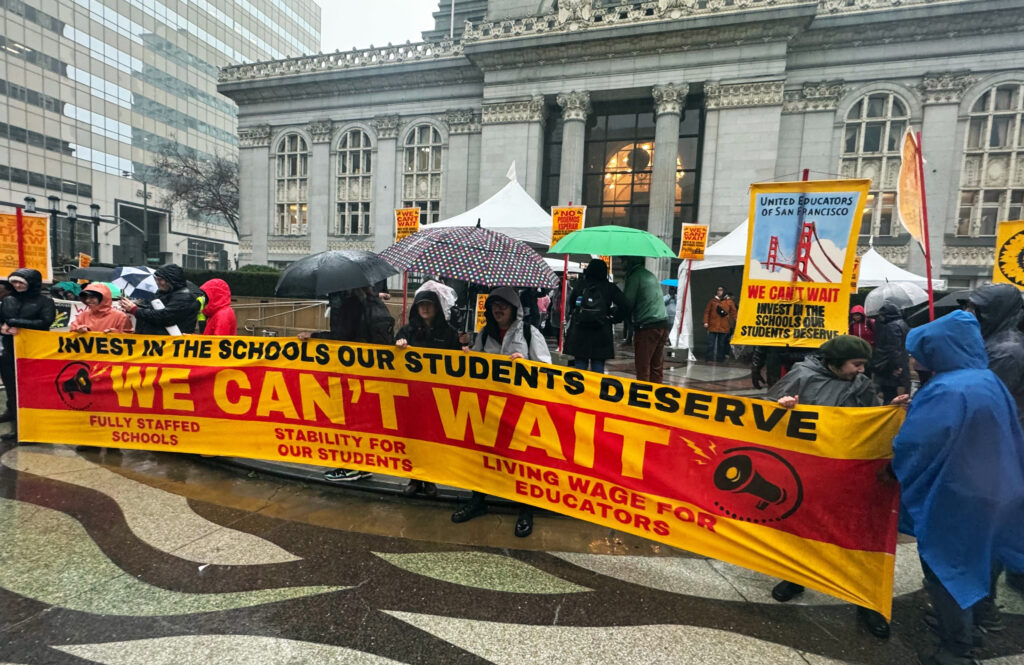
A groundbreaking initiative, the "We Can't Wait" campaign, has emerged as a beacon of collective action for educators in California.This ambitious effort brings together teachers from 32 diverse school districts, spanning the vast geographical expanse from San Diego to Sacramento.
The sheer scale of this collaboration is remarkable, encompassing 77,000 dedicated teachers who serve over 1 million students.
This united platform, launched with a clear purpose, is designed to amplify the demands of educators and build substantial pressure for systemic change at the state level.
The campaign's core objective is to compel school districts to prioritize fundamental aspects of a thriving educational environment.
This includes ensuring fully staffed schools, offering competitive wages and benefits that attract and retain high-quality educators, and fostering safe, stable learning environments where every child has the opportunity to flourish.
The "We Can't Wait" campaign represents a significant departure from previous advocacy efforts, demonstrating an unprecedented level of cross-district cooperation.
The Power of Collective Bargaining and Support
While individual union chapters are not legally permitted to bargain across school districts, the "We Can't Wait" campaign provides a crucial framework for mutual support and shared strategy.This multiyear effort allows participating chapters to lend strength to one another, creating a more formidable presence at the negotiation table.
For instance, in Sacramento County, three significant school districts are part of this coalition.
This means that their respective contract negotiations will occur concurrently, amplifying the potential impact if agreements are not reached.
Such synchronized action could lead to impasses or even strikes across multiple districts simultaneously, underscoring the seriousness of their demands.
The campaign has been met with enthusiastic support, evident in rallies held across the state.
In Oakland, a gathering of over 100 educators, students, and community members braved the pouring rain, chanting "We Can't Wait." Speakers at these events highlighted the critical need to keep schools operational, increase teacher pay, and allocate more resources to support students' diverse needs.
The presence of students, like Ra'Maur Cash from Skyline High School, who spoke passionately about the detrimental effects of teacher shortages on class availability and student learning, further emphasizes the urgency of the situation.
U.S.
Representative Lateefah Simon, in a statement read at a Bay Area rally, expressed solidarity, emphasizing the imperative to act now for fully funded, well-staffed schools where both teachers and students can succeed.
Addressing the Core Issues: Pay, Resources, and Class Sizes
A central tenet of the "We Can't Wait" campaign is the urgent need to address the widening gap between teacher compensation and the escalating cost of living in California.Studies indicate that teacher pay has not kept pace with inflation or the soaring housing market, creating significant financial strain for educators.
This disparity not only impacts current teachers but also deters aspiring professionals from entering the field, exacerbating teacher shortages.
The Economic Realities for California Teachers
Research consistently shows that the pay gap between teachers and other professionals with similar educational backgrounds has been widening for decades.While California teachers may have a higher average salary compared to those in other states when cost of living is not factored in, the reality on the ground is starkly different.
The high cost of housing and healthcare in California means that many educators struggle to meet their basic needs, even with competitive salaries.
This economic pressure is a significant factor contributing to the current crisis in public schools, characterized by a lack of educators and an inability to retain experienced professionals.
The campaign highlights that California ranks among the bottom five states for class-size ratios, meaning students often find themselves in overcrowded classrooms.
Furthermore, access to essential support staff, such as school counselors, is alarmingly low, with the state ranking 48th nationally.
These are not minor inconveniences; they represent systemic challenges that directly impact the quality of education and the well-being of students.
The resources that are available are often under threat, making the advocacy for increased and protected funding even more critical.
The Impact of Understaffing and Resource Scarcity
The consequences of understaffing and resource scarcity are felt profoundly within school communities.When there aren't enough teachers to cover classes, entire courses may be cut, disappointing students who are passionate about specific subjects.
This not only hinders academic exploration but also diminishes the overall vibrancy of the school environment.
Students deserve access to a full range of educational opportunities, and this is directly compromised when schools are unable to staff them adequately.
The campaign's demands extend beyond just teacher pay.
They encompass a holistic approach to improving the educational ecosystem.
This includes ensuring that schools are fully staffed with not only teachers but also essential support personnel like counselors, nurses, and librarians.
It also means providing adequate resources for classroom learning, mental health support for students, and safe, well-maintained school facilities.
The goal is to create an environment where every child can learn and thrive without the constant specter of budget cuts or resource limitations.
Strategies for Success: Aligning Contracts and Building Pressure
The "We Can't Wait" campaign employs a strategic approach to maximize its impact.By aligning contract expiration dates, participating unions are creating a synchronized negotiation timeline.
This coordinated effort aims to raise awareness among school district administrators and the public about the widespread need for greater investment in schools.
Leveraging Contract Negotiations for Systemic Change
The strategy of aligning contract negotiations is unprecedented for teachers' unions in California.While direct bargaining across districts is not permitted, the campaign facilitates a powerful form of solidarity and shared advocacy.
This approach mirrors successful strategies seen in other sectors, where unions have aligned their bargaining efforts to achieve common goals.
The aim is to demonstrate a united front and to exert collective pressure that is difficult for districts to ignore.
When multiple districts face contract expirations around the same time, and when their unions are working in concert, the potential for significant leverage increases.
This can lead to more robust negotiations and a greater likelihood of achieving favorable outcomes for educators and students.
The campaign seeks to move beyond isolated negotiations and establish a broader conversation about the state of public education and the necessary investments required to sustain it.
Addressing Fiscal Concerns and Prioritizing Education
A common question raised is how school districts can afford increased teacher salaries and other benefits, especially when some are facing fiscal challenges.The response from campaign leaders is clear: it is a matter of priorities.
Districts, even those considering budget cuts or school closures, often have resources that can be reallocated to support educators and students.
Kampala Taiz-Rancifer, president of the Oakland Education Association, emphasizes that Oakland Unified, for example, has the capacity to keep schools open and to invest in teachers and classroom resources, despite facing budget deficits.
This perspective highlights the ongoing debate about how public funds are allocated and the need to ensure that education remains a top priority.
Parents and community advocates, like Clarissa Doutherd, executive director of Parent Voices Oakland, echo this sentiment, stressing that underfunding can lead to threats of budget cuts and closures, jeopardizing school communities.
Their call is for districts to prioritize spending that directly benefits children and schools, ensuring stability and robust educational environments.
The Vision for the Future: Thriving Schools for All
The "We Can't Wait" campaign is more than just a negotiation strategy; it represents a vision for the future of public education in California.It is a vision of schools that are fully staffed with dedicated and well-compensated educators, where class sizes are manageable, and where every student has access to the resources they need to succeed.
This movement underscores the critical role that teachers play in society and the importance of supporting them in their vital work.
Empowering Educators and Students
By uniting across districts, teachers are reclaiming their agency and demanding a more equitable and sustainable future for their profession and for the students they serve.The campaign's success hinges on continued collaboration, public awareness, and a commitment from districts and policymakers to invest in the foundational elements of quality education.
The collective voice of 77,000 teachers, amplified by the support of the broader community, has the power to enact meaningful and lasting change.
Conclusion
The "We Can't Wait" campaign in California is a powerful testament to the strength of collective action in the education sector.By uniting teachers from numerous school districts, this initiative is driving a critical conversation about fair compensation, manageable class sizes, and essential student resources.
The campaign's strategic approach to contract negotiations and its unwavering focus on prioritizing education are setting a new precedent for advocacy.
As educators and students continue to champion these vital needs, the movement serves as an inspiring example of how dedicated professionals can band together to create a more robust and equitable future for schools across the state and beyond.






 Explore AI Teaching Tools
Comments (0)
Please login to comment
No comments yet
Be the first to comment on this article