
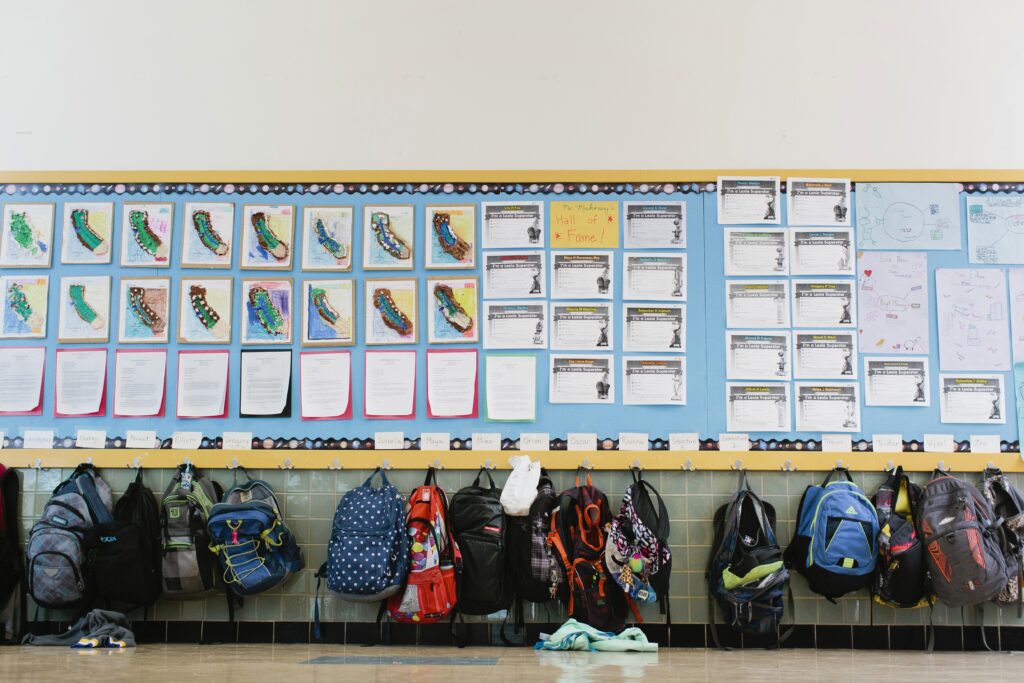
Boosting Student Attendance: The Power of Parent-School Partnerships
Chronic absenteeism is a pervasive challenge impacting students worldwide, hindering their academic progress and overall well-being.While the root causes can be complex, involving factors like mental health, poverty, and housing insecurity, research consistently points to a powerful, yet often underutilized, solution: robust communication and engagement between schools and parents.
This article explores how fostering strong partnerships can be the cornerstone of effectively addressing student absenteeism, ensuring every child has the opportunity to thrive.
The Silent Crisis: Understanding Chronic Absenteeism
Chronic absenteeism, defined as missing 10% or more of school days for any reason, is more than just a statistic; it's a critical indicator of potential struggles a student might be facing.When students are frequently absent, they miss out on crucial instructional time, fall behind in their coursework, and can experience a decline in their engagement with the school community.
This pattern, if left unaddressed, can lead to a cascade of negative academic consequences, impacting their learning trajectory throughout their educational journey.
The "Parent-Expert Disconnect"
A significant hurdle in tackling chronic absenteeism is the gap in awareness between educators and parents.Studies indicate that many parents of chronically absent students are not fully aware of the extent of their child's absences or the serious implications it holds for their academic success.
This "parent-expert disconnect" means that parents may not be actively seeking the necessary interventions or support for their children, as they might not perceive a problem.
Bridging this information gap is a vital first step in empowering parents to become active participants in their child's attendance.
The Pandemic's Lingering Impact
The recent global health crisis has undeniably altered the educational landscape, and its effects on attendance norms are still being felt.Research suggests a "norm erosion" has occurred, where the perceived importance of consistent school attendance may have diminished for some families.
This, coupled with an escalating youth mental health crisis, has created a challenging environment for schools striving to maintain student presence.
The evaporation of years of academic progress and the heightened awareness of mental health challenges underscore the urgency of addressing absenteeism.
Strategies for Cultivating Strong Parent-School Communication
Effective communication is not merely about informing parents; it's about building trust, fostering understanding, and creating a collaborative environment.When schools prioritize consistent and clear communication, they empower parents with the knowledge and support needed to ensure their children attend school regularly.
The Value of Proactive Outreach
Proactive outreach, even through simple methods, can yield significant results.Regular phone calls, personalized emails, or even postcards can serve as powerful tools to engage parents.
These efforts can not only motivate parents to prioritize their child's attendance but also provide schools with invaluable insights into the specific barriers families might be facing.
As educational leaders have noted, much of this engagement is "free" and requires no financial investment, only a commitment to listen and understand.
Framing the Conversation Effectively
The way schools communicate about attendance matters.Instead of solely focusing on the negative consequences of absence, it's crucial to adopt a balanced approach.
Celebrating a student's return to school after an absence can be highly encouraging.
Equally important is clearly and simply explaining how even a few missed days each month can cumulatively impact a student's learning and overall academic performance.
Avoiding jargon and using accessible language ensures that the message resonates with all parents, regardless of their educational background.
Leveraging Technology for Attendance Alerts
Integrating data systems to trigger automated alerts can be a game-changer.Imagine a system that, when a student reaches a certain threshold of absences, automatically sends a notification to parents via text message.
This immediate feedback loop can prompt timely conversations and interventions.
While state-level initiatives can support such systems, the ultimate responsibility often lies with individual districts and schools to implement and adapt these technologies to their specific contexts.
Addressing the Root Causes: Beyond Simple Attendance
While communication is paramount, schools must also acknowledge and strive to understand the underlying issues contributing to chronic absenteeism.These can range from school safety concerns and transportation challenges to broader economic and health-related barriers within a community.
The Importance of Listening to Families
Understanding the unique challenges faced by families in a particular community is essential.This requires genuine parent engagement, where schools actively seek to learn about the prevalent issues.
When parents feel heard and understood, they are more likely to collaborate with the school to find solutions.
This two-way street of communication builds a stronger foundation for addressing absenteeism.
When Schools Don't Listen: A Parent's Perspective
The experience of parents is a critical lens through which to view the effectiveness of school communication.One parent shared a frustrating experience where their initial concerns about their son's attendance, linked to anxiety and neurodivergence, were initially dismissed by school educators.
The parent emphasized that if the school had simply listened and been more receptive from the outset, the situation might not have escalated to the extent of their child's significant absenteeism.
This highlights the profound impact of empathetic and responsive communication from school staff.
Innovative Approaches to Student Engagement
Beyond traditional communication methods, innovative strategies that directly involve students and address their needs can be highly effective.These approaches often stem from listening to students themselves and understanding their perspectives.
Student Voices: Inspiring New Solutions
Conversations with students have revealed that financial struggles and the need for caring adults are significant factors influencing their school engagement.In one district, an experiment involved providing mentors and a small weekly stipend to students to encourage improved attendance.
The results were promising, demonstrating not only an initial boost in attendance but also sustained engagement.
The Power of Relationships and Incentives
The key finding from such initiatives is that while financial incentives can motivate students to attend school, it is the development of meaningful relationships with mentors and educators that truly keeps them coming back.This underscores the critical role of a positive school environment and strong teacher-student connections in fostering a sense of belonging and commitment to learning.
Conclusion: A Collaborative Path to Improved Attendance
Chronic absenteeism is a multifaceted problem, but the path to its solution is clear: a strong, collaborative partnership between schools and parents.By prioritizing open, empathetic, and consistent communication, schools can bridge the "parent-expert disconnect" and empower families to support their children's regular attendance.
While addressing underlying societal issues is a broader challenge, schools can make a significant impact by listening to families, framing attendance positively, leveraging technology for timely alerts, and fostering genuine relationships with students.
Ultimately, investing in these low-cost, high-impact strategies is an investment in every student's future, ensuring they have the consistent presence in school necessary to achieve their full potential.






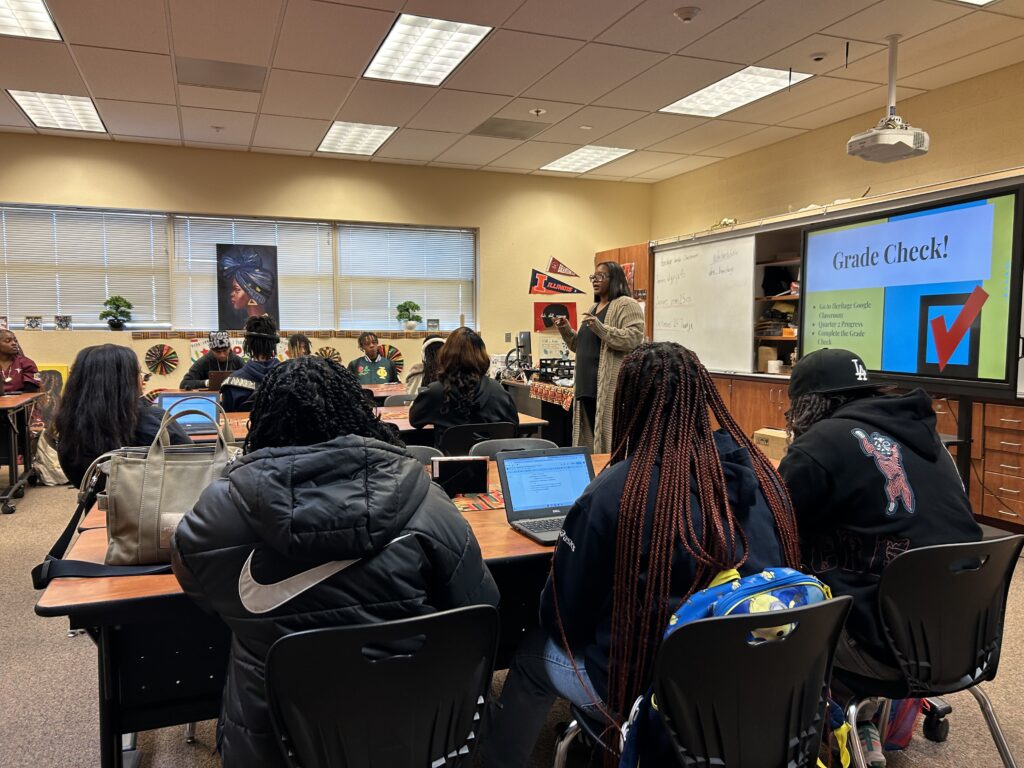
 Explore AI Teaching Tools
Comments (0)
Please login to comment
No comments yet
Be the first to comment on this article