
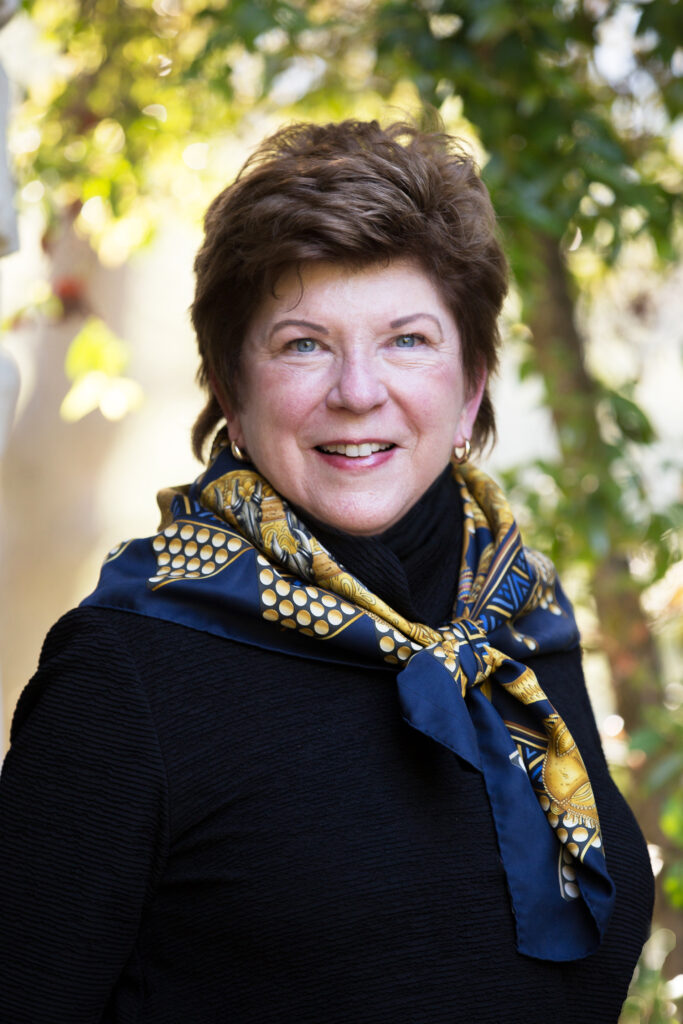
Championing Education: The Enduring Legacy of Delaine Eastin, California's Pioneering State Superintendent
In the dynamic world of education, certain figures emerge as true beacons, their dedication and vision shaping the future for countless learners.
Delaine Eastin, a name synonymous with progress and advocacy in California's educational landscape, stands as a testament to this.
As the sole woman ever elected to the esteemed position of State Superintendent of Public Instruction, her impact resonates deeply.
This article delves into her remarkable career, exploring the foundational principles she championed and the lasting influence she has had on the state's education system, offering valuable insights for educators, policymakers, and anyone passionate about fostering a robust learning environment.
The Evolving Role of the State Superintendent: Navigating Power and Influence
When Delaine Eastin first assumed the role of State Superintendent in 1995, the landscape of educational governance was in flux.
The office, while holding a significant public platform, had seen its direct policy-setting authority diminished by a preceding court decision that shifted primary control to the State Board of Education.
However, Eastin’s tenure demonstrated that influence extends far beyond formal mandates.
She masterfully utilized her position as a public advocate, leveraging her exceptional communication skills to champion critical educational issues.
Her approach underscored the power of persuasion and passionate advocacy in driving meaningful change, even within a complex governmental structure.
This era highlights how a dedicated superintendent can still profoundly impact education by focusing on key priorities and rallying public support.
The superintendent's role, particularly in a state as vast and diverse as California, requires a unique blend of leadership, strategic thinking, and the ability to connect with a broad spectrum of stakeholders.
Eastin’s success from this period serves as a powerful case study for aspiring educational leaders, illustrating that the ability to articulate a compelling vision and inspire action is paramount.
Her approach to the office, even with its evolving power dynamics, provides a blueprint for effective leadership in public service.
Core Pillars of Educational Reform: Eastin's Vision for Student Success
Delaine Eastin's commitment to enhancing the educational experience for every student was evident in the core principles she tirelessly promoted.
Her advocacy centered on several key areas that were, and remain, crucial for fostering academic excellence and holistic development.
These included a strong emphasis on raising academic standards, a strategic focus on reducing class sizes to allow for more individualized attention, and a forward-thinking initiative to integrate the importance of nature into the school curriculum.
Her work in establishing clear academic content standards was foundational.
Before her leadership, the state lacked a cohesive framework for what students were expected to learn.
Eastin recognized the necessity of defining these benchmarks to ensure a consistent and high-quality education across the state.
This was complemented by her efforts to develop statewide assessments and a robust school accountability system, designed to measure progress and identify areas for improvement.
Research shows that clear standards and effective assessment are vital for tracking student achievement and informing instructional practices.
Furthermore, Eastin was a staunch advocate for smaller class sizes.
Understanding that personalized instruction is more effective, she championed initiatives to reduce the number of students in early elementary grades.
This focus on creating more intimate learning environments was a significant undertaking, requiring substantial investment and political will.
Her success in this area, particularly in securing funding to cut K-3 class sizes, directly impacted the daily learning experiences of thousands of young Californians.
Nurturing Young Minds: The Power of Nature in Education
One of Eastin's most distinctive and enduring contributions was her vision for incorporating nature into the school environment.
In 1995, she famously called for a garden in every school.
This was not merely a symbolic gesture; it was a deeply held belief in the educational and developmental benefits of connecting children with the natural world.
Working collaboratively with culinary innovator Alice Waters, Eastin inspired the creation of gardens in over 3,000 schools across California.
These school gardens became living classrooms, offering hands-on learning opportunities in science, nutrition, and environmental stewardship.
This initiative extended to improving school nutrition programs.
California became a leader in the nation by joining the Clinton Team Nutrition effort.
Eastin oversaw the development of curriculum guides that integrated nutrition, gardening, and cooking into academic instruction.
This holistic approach demonstrated a profound understanding that education extends beyond traditional subjects, encompassing health, well-being, and practical life skills.
Studies indicate that such experiential learning can significantly boost student engagement and retention.
Advocacy for Funding and Early Childhood Education
Delaine Eastin was renowned for her unwavering commitment to securing better funding for California's schools.
Colleagues often described her as "fearless" in this constant pursuit, readily placing herself at the forefront of battles fought on behalf of students.
Her dedication to ensuring that schools had the necessary resources to thrive was a hallmark of her leadership.
This proactive stance on financial advocacy was critical in a state where educational budgets are often subject to intense debate and competing priorities.
Beyond K-12, Eastin was an early and passionate proponent of early childhood education.
Recognizing the profound impact of foundational learning experiences, she established a preschool task force.
This influential group comprised educators, business leaders, civil rights advocates, and children's advocates, all working towards the goal of universal preschool access.
Her foresight in prioritizing early education laid important groundwork for future policy discussions and investments in this critical area.
Research consistently shows that high-quality early education programs yield significant long-term benefits for individuals and society.
Recognizing Excellence: The Teacher of the Year Program
In her efforts to elevate the teaching profession and celebrate outstanding educators, Delaine Eastin established the state's Teacher of the Year program.
This initiative provided a vital platform to recognize and honor teachers who exemplify dedication, innovation, and excellence in the classroom.
By highlighting these exemplary individuals, the program served to inspire other educators and underscore the importance of the teaching profession.
The current State Superintendent, Tony Thurmond, continued this tradition, honoring Eastin herself at a state ceremony, a fitting tribute to her own contributions to education.
A Trailblazer's Journey: From Academia to Public Service
Delaine Eastin's path to becoming a prominent figure in education was marked by a diverse and enriching background.
Born in San Diego, her early life in San Carlos saw her become the first in her family to graduate from college.
She earned a bachelor's degree from the University of California, Davis, and a master's degree in political science from the University of California, Santa Barbara.
Her academic pursuits laid a strong foundation for her future career.
Prior to her entry into elected office, Eastin honed her skills in academia and the private sector.
She taught women's studies and politics at De Anza College and Cañada College, fostering critical thinking and civic engagement among her students.
She also gained valuable experience as a strategic planner for Pacific Telephone, developing a keen understanding of organizational dynamics and planning.
Her transition into public service began with her election to the City Council of Union City, where she served for four years, gaining practical experience in local governance.
Following her impactful tenure as State Superintendent, Eastin briefly re-entered the political arena with a run for governor in 2018, positioning herself as a voice for progressive ideals.
Her political journey, from local council to the state's top education office and beyond, reflects a lifelong dedication to public service and a commitment to advancing important social causes.
Breaking Barriers: Women in Leadership
Eastin often reflected on the challenges and camaraderie experienced by women in the Legislature during her time.
She noted that women legislators were few and often formed close bonds, supporting each other in an environment where they sometimes faced dismissal or condescension.
Her personal anecdotes, such as being initially denied access to the members' elevator because she was a woman, underscore the significant barriers that existed and the resilience required to overcome them.
Her experiences highlight the importance of diversity and inclusion in leadership, and the ongoing need to ensure equitable opportunities for all.
Conclusion
The legacy of Delaine Eastin as California's first and only woman elected State Superintendent of Public Instruction is one of profound impact and enduring inspiration.
Her tenure was characterized by a relentless pursuit of educational excellence, marked by her advocacy for higher academic standards, smaller class sizes, and the integration of nature into school curricula.
Eastin demonstrated that true leadership transcends formal authority, relying on powerful communication, unwavering conviction, and a deep-seated passion for the well-being and academic success of every student.
Her pioneering spirit, her commitment to early childhood education, and her efforts to champion educators continue to shape the educational landscape, offering invaluable lessons for current and future leaders in the field of education.
The state of education in California, and indeed across the nation, is undoubtedly richer for her contributions.







 Explore AI Teaching Tools
Comments (0)
Please login to comment
No comments yet
Be the first to comment on this article