
Igniting Futures: How Summer and After-School Programs Cultivate the Next Generation of teachers
The landscape of education is constantly evolving, and a critical challenge facing many school districts is the persistent shortage of dedicated teachers.While initiatives designed to combat learning loss and enhance educational opportunities are vital, a remarkable, often overlooked, benefit is emerging: these programs are becoming powerful incubators for future educators.
This article explores how expanded learning initiatives, particularly those offered during the summer and after school, are not only enriching student experiences but also serving as a crucial pipeline for recruiting and training new teachers, especially in high-demand areas.
The Unforeseen Dividend: A Teacher Recruitment Engine
California's significant investment in expanded learning opportunities, aimed at addressing pandemic-related learning gaps and extending the school day, has yielded an unexpected yet profoundly positive outcome.Beyond their primary goals, these comprehensive programs are proving to be exceptionally effective in identifying, nurturing, and preparing individuals for careers in teaching.
This initiative, which supports a wide array of summer enrichment and after-school activities often run by non-profit organizations in partnership with school districts, is directly addressing one of the most pressing issues in public education: the scarcity of fully credentialed teachers.
This is particularly true for specialized fields like mathematics, special education, and bilingual instruction, where the demand often outstrips the supply.
Beyond the Initial Intent: A Strategic Recruitment Opportunity
While the initial design of these expanded learning programs may not have explicitly focused on teacher recruitment, their structure and operational model naturally lend themselves to this purpose.As research indicates, the hands-on experience gained by staff in these settings provides a low-barrier, high-impact entry point into the education profession.
This allows individuals to explore their passion for teaching in a supportive environment before committing to the rigorous demands of a formal credentialing program.
The success of this approach is evident in the growing number of program participants and staff who are now pursuing or have already achieved their teaching credentials, directly contributing to the pool of qualified educators.
Summer Programs: A Gateway to the Teaching Profession
Summer enrichment programs, in particular, offer a unique environment for aspiring educators to gain invaluable experience.These programs often do not require a formal teaching credential for instructors, opening doors for individuals who might otherwise be hesitant to enter the field.
This flexibility allows them to test the waters of a teaching career, develop essential skills, and build confidence in their ability to connect with and educate young learners.
The Aim High Model: Cultivating Educators Through Experience
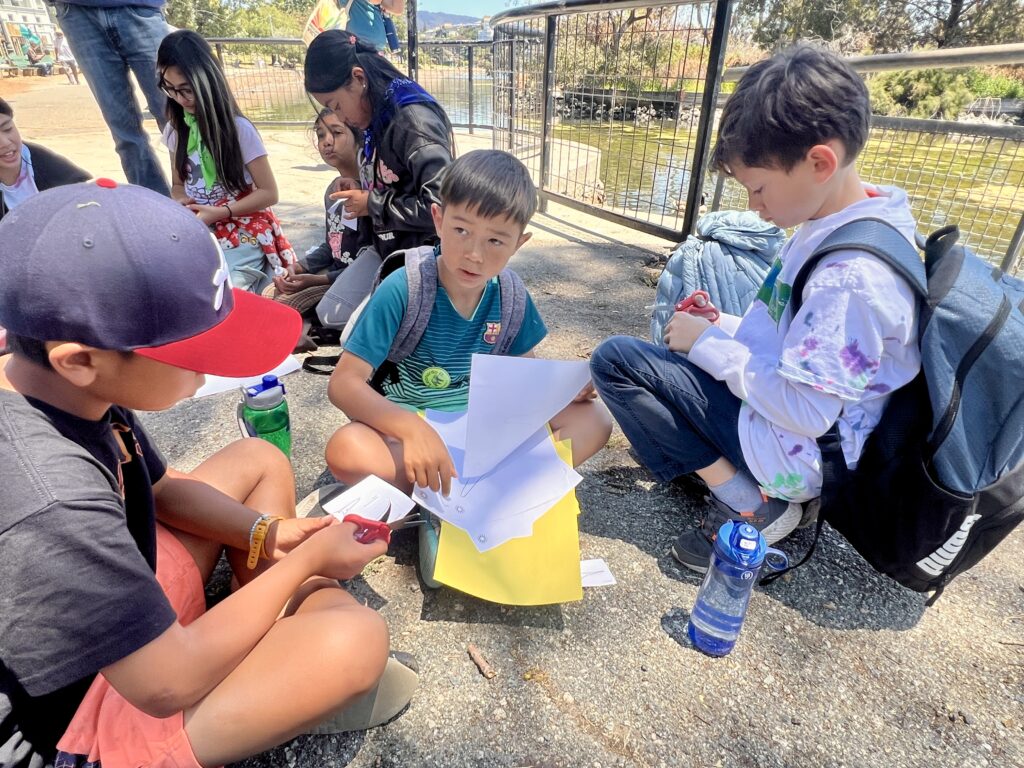
Consider the impact of organizations like Aim High, a prominent Bay Area summer enrichment program that has consistently prioritized the development of new teachers.For decades, Aim High has provided middle schoolers with engaging academic and recreational activities.
Crucially, a central tenet of their mission has been to foster a passion for education among their staff.
Studies show that a significant portion of their summer employees are either actively considering or are already on the path to becoming teachers.
This highlights the powerful role that such programs play in inspiring individuals to enter the teaching profession, thereby helping to alleviate teacher shortages in critical areas.
From Participant to Educator: A Personal Journey
The journey of individuals like Nuntehui Espinoza exemplifies this transformative power.Having first experienced an Aim High summer program as a student, she later returned as a teaching assistant and eventually a lead teacher.
The profound impact of guiding students, particularly those learning English, and witnessing their growth, deeply inspired her to pursue a teaching career.
This hands-on experience, coupled with the supportive environment Aim High provided, was instrumental in her decision to earn a teaching credential and a master's degree.
Her story underscores how these programs offer more than just summer activities; they provide life-changing opportunities for personal and professional development.
The Symbiotic Relationship: Mentorship and Mutual Growth
The success of these programs is often amplified by the mentorship opportunities they foster.Experienced teachers and program leaders work alongside aspiring educators, providing guidance and support.
This creates a symbiotic relationship where both the new staff members and the seasoned professionals benefit.
For instance, veteran teachers can gain fresh perspectives from younger staff who are closer in age to the students, while aspiring teachers receive invaluable practical advice and encouragement.
This collaborative environment is essential for building confidence and refining teaching methodologies.
Lowering the Barrier to Entry: Practical Advantages
One of the key advantages of working in summer and after-school programs is the reduced pressure compared to a full-time teaching role.Smaller class sizes, often part-time positions, and dedicated support systems make the transition into education less daunting.
Participants are not simply thrown into the deep end; they receive practical training and ongoing assistance, enabling them to develop essential skills in lesson planning, classroom management, and student engagement.
Furthermore, opportunities for high school students to participate as paid interns can spark an early interest in teaching, setting them on a path toward a future career in education.
After-School Programs: Building Community and Fostering Talent
After-school programs, much like their summer counterparts, serve as vital community hubs and provide fertile ground for cultivating future teachers.These programs often draw staff from local communities, bringing a deep understanding of the students and their families.
Their inherent strengths in lesson planning, classroom management, and student support, combined with a genuine passion for working with young people, make them ideal candidates for the teaching profession.
West Contra Costa Unified: A District's Strategic Approach
School districts are increasingly recognizing the value of these expanded learning initiatives as a strategic source for teacher recruitment.The West Contra Costa Unified School District, for example, has implemented various strategies to nurture new teachers, with the Expanded Learning Opportunities Program emerging as a cornerstone.
The district's superintendent highlights that staff from these programs often possess a unique blend of practical skills and a deep commitment to student success.
This local connection and intrinsic motivation are invaluable assets for any school.
From Program Coordinator to Credentialed Teacher: A Real-World Example
The experience of Leslie Jauregui illustrates this pathway effectively.Having long aspired to be a teacher but feeling daunted by the formal credentialing process, she found her calling through Aim High's after-school program.
The supportive environment and the practical experience she gained convinced her that she could indeed succeed as a teacher.
She later enrolled in a teacher residency program, earning her special education credential.
Today, she is a full-time special education teacher, continuing to contribute to Aim High during the summer.
Her story demonstrates how these programs can bridge the gap between aspiration and achievement, empowering individuals to overcome perceived barriers and realize their educational dreams.
Freedom Schools: Empowering Through Culturally Relevant Pedagogy
Programs like Freedom Schools, which focus on intensive reading and vocabulary building through the lens of African American history, also play a significant role in inspiring future educators.These programs offer a rich blend of academic rigor and engaging extracurricular activities, providing staff with a holistic understanding of the educational process.
The transformative experience of working directly with students, witnessing their academic and personal growth, can be profoundly motivating.
A Transformational Experience: Inspiring Career Choices
Michael-Sesen Perrilliat's transition from education policy analysis to considering a teaching career after working at Freedom School exemplifies this impact.The direct engagement with children and the tangible results of their learning journey proved far more enriching than his previous work.
This hands-on classroom experience has opened his eyes to the profound influence he can have as an educator, leading him to explore pathways toward becoming a counselor or teacher.
Similarly, young staff members like Cortney Walker, a site coordinator at Freedom School, gain practical experience in curriculum development, classroom preparation, and student engagement, providing a clear vision of what teaching entails and fueling their desire to pursue a credential.
Conclusion: Investing in Programs, Investing in Teachers
The expansion of summer and after-school programs, driven by initiatives to support student learning, has inadvertently created a powerful and sustainable mechanism for teacher recruitment.These programs offer a low-barrier, high-impact entry point into the teaching profession, allowing individuals to gain practical experience, develop essential skills, and discover their passion for educating young minds.
By investing in these expanded learning opportunities, educational leaders are not only addressing learning loss and enriching student lives but are also cultivating the next generation of dedicated and inspiring teachers, a critical investment in the future of education.
The success stories emerging from these programs underscore their vital role in building a robust and resilient teaching force for years to come.





 Explore AI Teaching Tools
Comments (0)
Please login to comment
No comments yet
Be the first to comment on this article