
California Schools Navigate AI Minefield: Cautionary Tales and Collaborative Futures Emerge
The rapid influx of artificial intelligence into classrooms across California presents a complex challenge, forcing educators to grapple with a technology that promises revolutionary learning gains while simultaneously posing significant risks to student development and privacy. Districts are finding themselves at a crossroads, with approaches ranging from cautious experimentation to outright prohibition, highlighting a deep-seated uncertainty about how to best harness these powerful new tools.
The Balancing Act: Innovation vs. Imperative Safeguards
For many district leaders, the integration of artificial intelligence is a delicate dance between embracing innovation and ensuring the well-being of their students. Mike Lawrence, director of information and technology for ABC Unified School District, inherited existing guidelines on AI two years ago. His immediate priority was to broaden the conversation, inviting the entire school community to weigh in on the district's evolving stance.
This commitment to open dialogue has manifested in regular community roundtable discussions, fostering a continuous feedback loop. Lawrence emphasizes the gravity of the decisions being made, stating, "There’s just been a long series of decisions that have to be made for the well-being of students, for the betterment of students, balancing out the danger that they might face while preparing them for the future."
ABC Unified, serving 18,000 students in the greater Los Angeles area, has adopted a nuanced approach. While Google's Gemini AI is available for students in grades 7-12, platforms like ChatGPT are blocked. Other tools, such as Brisk and Snorkl, are permitted, with the district providing overarching guidelines while empowering teachers to implement them as they deem appropriate.
A Novel Approach to Transparency: The "Transparency Badge" System
A particularly innovative strategy employed by ABC Unified is its "transparency badge" system. This initiative aims to clearly label the use of artificial intelligence in various communications and student work. Documents, emails to families, teacher-student communications, and even student assignments can now carry these digital markers.
A "AI Collab" badge signifies that artificial intelligence was used for approximately 60% of the content creation. Conversely, the "HI" badge, standing for "human intelligence," indicates that AI was not utilized in the creation of the document. This system seeks to foster honesty and understanding regarding the role of AI in the educational process.
Widespread Hesitation: California's AI Divide
Across California, the struggle to define the role of artificial intelligence in education is palpable. While some districts champion AI as a means to personalize learning and alleviate teacher burdens, a significant contingent voices concerns about its potential to erode critical thinking skills and jeopardize student privacy.
This debate has led many district administrators and education researchers to advocate for a more measured approach. Instead of a hasty adoption of AI tools, the recommendation is to rigorously vet vendors, establish robust contracts that safeguard student data, and actively solicit input from the entire school community.
Rebecca Winthrop, director of the Center for Universal Education at the Brookings Institution, underscores the inherently social nature of learning. "Teaching and learning has always been, and will always be in terms of how humans learn, a social process that’s embedded in relationships," she notes. Despite the pervasive presence of AI, particularly within social media, Winthrop observes a significant gap in family involvement in these critical conversations.
Her team's recent findings suggest that the potential risks associated with AI use among children currently overshadow the benefits. The report advocates for collaborative efforts between educators and AI tool developers to ensure student safety and align technology with pedagogical goals.
Demystifying AI: Understanding Its Limitations
This call for a more grounded perspective on artificial intelligence resonates deeply with many education researchers. Stephen Aguilar, an associate professor at the USC Rossier School of Education, advocates for a shift in perception, urging educators to view AI not as a magical solution but as a "constellation of tools."
This perspective, he suggests, allows leaders to "decide what problems those tools are going to be used to address." This pragmatic outlook informed ABC Unified's "transparency badges," which Lawrence describes as a "useful transitional tool" for navigating the evolving landscape.
Moving forward, Lawrence acknowledges the necessity of identifying areas where AI is inappropriate. For instance, the district has opted against using AI-powered cheating detection programs due to their propensity for generating false positives and exhibiting bias against English language learners. Lawrence, a former English teacher himself, asserts, "If pressed I say, ‘The best AI detector is you. You’re the teacher and you have the ability, even if it’s new in the year, you can gauge whether this is student work or not.’"
Early and honest discussions about the limitations of artificial intelligence are paramount in mitigating potential harms, according to researchers. Aguilar poses a critical question for education leaders considering AI implementation: "How many mistakes and what types of mistakes are we willing to accept in service of this broader goal" of personalized learning or teacher support?
He laments that this crucial conversation is often an afterthought, arising only after negative consequences have occurred. "Oftentimes, unfortunately, that conversation isn’t how we start. It’s how we end when something goes wrong," Aguilar observes.
A Marathon, Not a Sprint: Lessons from Implementation Pitfalls
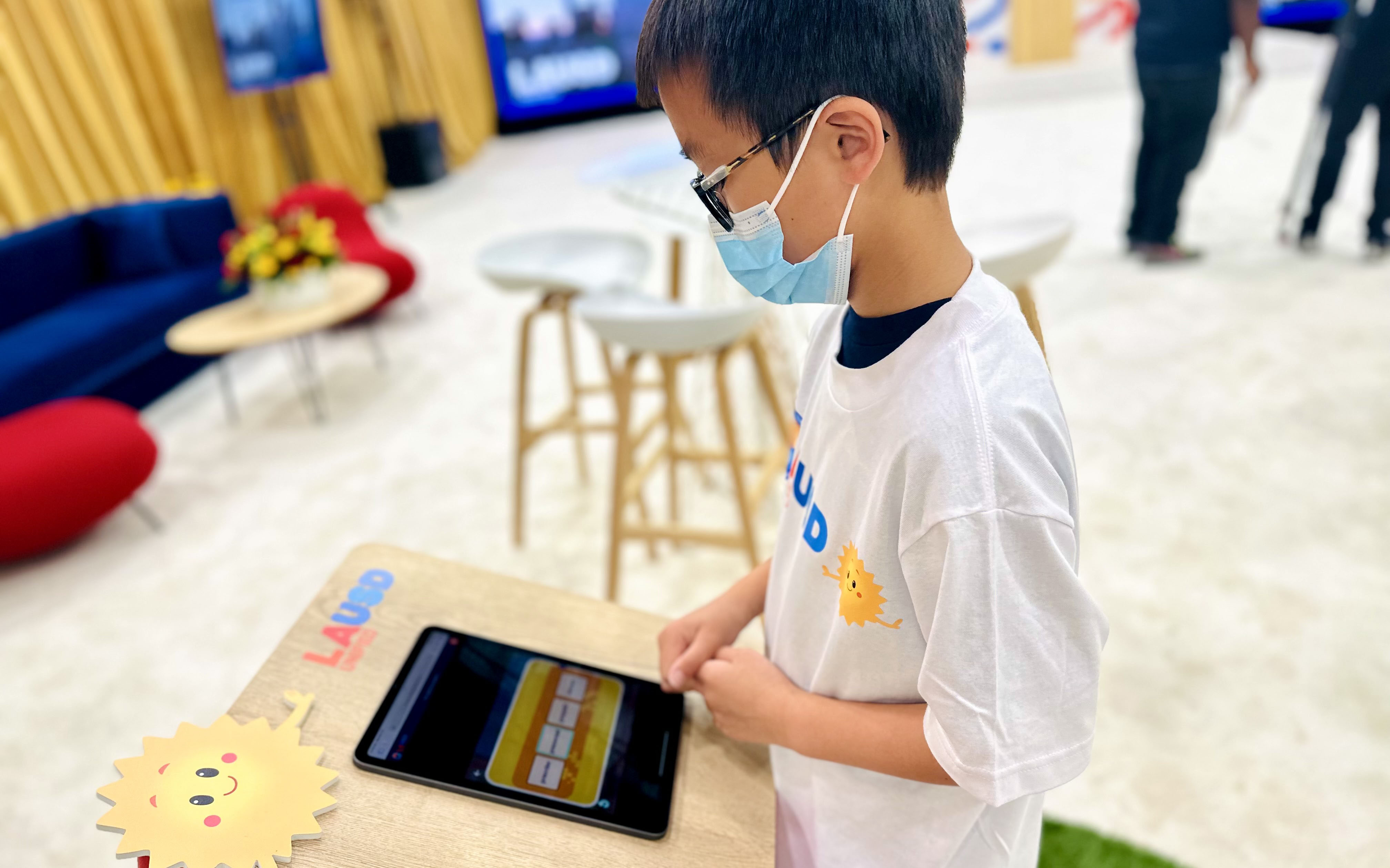
The journey of integrating AI into educational systems is proving to be a complex and often challenging endeavor. Los Angeles Unified School District's experience with "Ed," an AI chatbot designed as a student "personal assistant," serves as a stark reminder of the pitfalls of rapid deployment.
The initiative, launched in 2024, was abruptly halted within three months when the company behind its development faced significant challenges. Aguilar critiques this approach, stating, "What tends not to [work] is, without throwing them under the bus again, sort of the approach that LAUSD had which was: let’s get out there quickly, let’s make it splashy, let’s make sure that we scale immediately."
He characterizes this as a "gold rush sort of mentality," where the imperative to be first and foremost can lead to unfavorable outcomes. "This gold rush sort of mentality of: ‘we have to be first, and we have to be most.’ That tends to go poorly," Aguilar warns.
In contrast, ABC Unified continues its deliberate pace, engaging its community through quarterly AI discussions. The district has established an AI task force, which, as Lawrence points out, naturally attracts individuals with a positive inclination towards the technology. However, Lawrence actively seeks feedback from teachers outside this group.
"I felt that we were creating our own echo chambers, and I wanted to get outside of the echo chamber, and I wanted to hear from the teachers that hate it," he explains. He recently heard from history teachers who expressed significant reservations about AI, with at least one advocating for a complete ban on devices in their classrooms.
Lawrence values these diverse perspectives, noting, "You get a range of perspectives but that feedback, hearing it first-person and restricting myself from speaking, and just listening and taking notes was a really helpful exercise." This commitment to listening and learning from all stakeholders, even those with dissenting views, is crucial as California's education landscape continues to navigate the evolving world of artificial intelligence.





 Explore AI Teaching Tools
Comments (0)
Please login to comment
No comments yet
Be the first to comment on this article