
California Schools Show Promising Recovery: Key Insights for Students and Districts
The educational landscape in California is demonstrating a positive trajectory, with recent data indicating significant strides in student achievement and engagement following the disruptions of the past few years.This progress, reflected in updated state reports, offers valuable insights for students, educators, and school districts striving for academic excellence.
From improved graduation rates to a reduction in chronic absenteeism, the focus is shifting towards a more robust and equitable learning environment for all learners.
1.
Post-Pandemic Educational Recovery: A Snapshot of Progress California's K-12 school system has been actively working towards recovery, and the latest educational data highlights a year of notable advancements.
These improvements are crucial indicators that the strategies implemented are yielding positive results for students across the state.
The focus has been on addressing learning loss and re-engaging students who may have become disconnected during periods of disruption.
Key Areas of Improvement
- Increased Graduation Rates: A slight but significant uptick in the number of students successfully completing their high school education signifies a stronger pathway to future opportunities for many learners.
- Reduced Suspensions: A decrease in disciplinary actions, such as suspensions, suggests a more positive and inclusive school climate, allowing students to be present and engaged in their learning.
- Lower Chronic Absenteeism: A reduction in the number of students missing substantial portions of instructional time indicates a renewed commitment to regular school attendance, which is fundamental for academic success.
- Enhanced Standardized Test Performance: Scores in both English language arts and mathematics have seen an overall increase, pointing to effective instructional strategies and student engagement.
- Improved College and Career Readiness: More students are demonstrating preparedness for post-secondary education and the workforce, a testament to curriculum development and student support services.
- Growth in Biliteracy: An increase in students earning the Seal of Biliteracy underscores the value placed on multilingualism and the success of programs supporting English learners and diverse language backgrounds.
These incremental yet important gains are vital signals that California schools are effectively mitigating the impact of pandemic-related challenges.
The collective effort from educators, administrators, and students themselves is paving the way for a more resilient and effective educational system.
2.
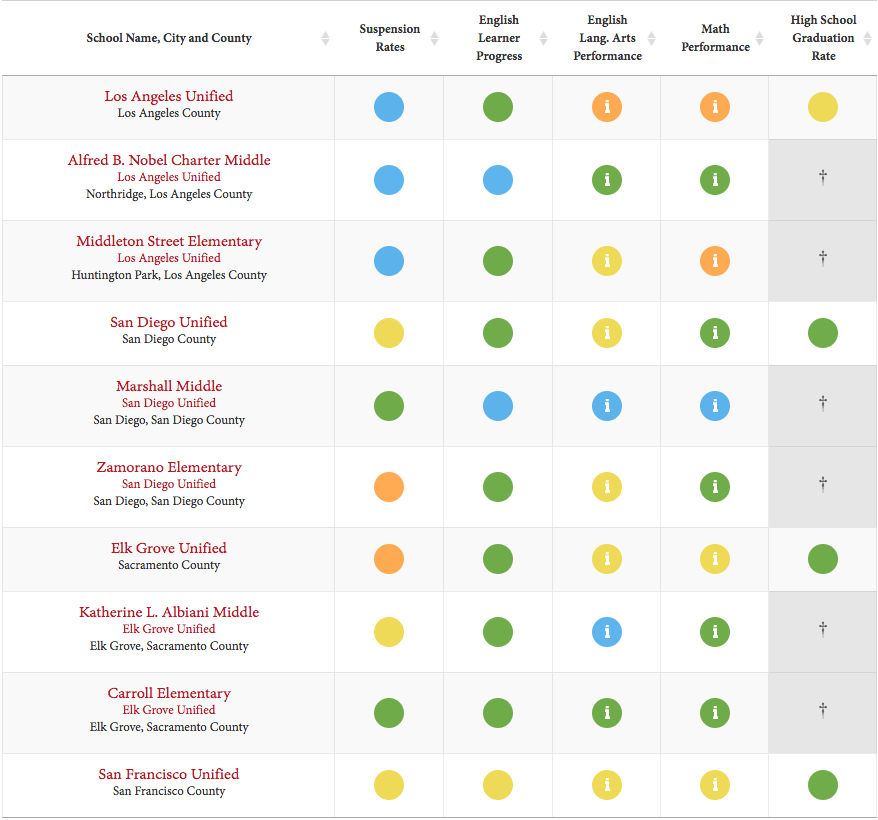
Understanding the California School Dashboard: A Tool for Accountability and Growth The California School Dashboard serves as a critical component of the state's accountability framework, providing a comprehensive overview of school and district performance.
Its multi-faceted approach, utilizing a color-coded system, helps identify areas of strength and areas requiring focused attention.
This transparency is essential for driving continuous improvement for all students.
The Color-Coded Performance System
The dashboard employs a spectrum of colors to represent performance levels:
- Blue: Denotes the highest level of performance.
- Green: Indicates strong performance.
- Yellow: Suggests performance that needs improvement.
- Orange: Signals significant need for improvement.
- Red: Represents the lowest performance level, requiring urgent intervention.
Schools and districts are evaluated not only on their performance in a given year but also on their progress and growth compared to the previous year.
Ratings below green generally signal a need for targeted support and strategic intervention.
Key Performance Indicators
The dashboard meticulously tracks several priority areas crucial for student success:
- School Climate: Measured primarily through suspension rates, reflecting the overall atmosphere and safety within schools.
- Pupil Engagement: Assessed by graduation rates and chronic absenteeism, indicating how connected and present learners are in their educational journey.
- Pupil Achievement: Evaluated through standardized test scores in English language arts, mathematics, and science, as well as the progress of English learners.
The inclusion of science scores as an informational item this year, with plans for it to become an official indicator next year, demonstrates a commitment to a holistic view of academic achievement.
This forward-thinking approach ensures that the dashboard remains a dynamic and relevant tool for guiding educational efforts.
3.
Addressing Chronic Absenteeism: A Persistent Challenge and Emerging Solutions Chronic absenteeism, defined as missing 10% or more of instructional days, remains a significant hurdle for many students.
While California has seen a welcome decline in these rates, the numbers are still higher than pre-pandemic levels.
Understanding the nuances of absenteeism across different grade levels is key to developing effective interventions.
Grade-Level Absenteeism Trends
Research indicates varying levels of chronic absenteeism across different age groups:
- High school students have shown the highest rates of chronic absenteeism.
- Transitional kindergarten and kindergarten students also face considerable challenges with consistent attendance.
- Middle school grades (seventh and eighth) and elementary grades (first through eighth) also show notable percentages of students struggling with consistent attendance.
The data underscores the need for tailored strategies that address the unique circumstances affecting attendance for younger learners versus older students.
For example, in El Dorado County, a concerted effort involving county office of education staff and district leaders has led to a significant reduction in districts requiring state assistance due to chronic absenteeism, validating the impact of focused support and data-driven interventions.
The Role of Statewide Support Systems
The California Statewide System of Support plays a pivotal role in assisting districts that are identified as needing improvement.
When a district receives a red rating in one or more priority areas, it triggers a requirement for support from its respective county office of education.
This collaborative approach ensures that struggling districts receive the guidance and resources necessary to implement effective strategies.
The decline in the number of districts requiring such support for two consecutive years is a strong indicator that these systems are becoming more effective in fostering improvement across the state.
4.
Spotlight on Long-Term English Learners: A New Focus for Equity A significant development highlighted by the recent data is the introduction of performance metrics for long-term English learners.
This student group, defined as those who have been enrolled in U.S. schools for seven or more years but have not yet achieved English proficiency, has historically had their needs less visible.
Their inclusion in the dashboard is a monumental step towards ensuring equitable outcomes for all learners.
Defining and Identifying Long-Term English Learners
The dashboard now specifically tracks the academic performance, graduation rates, and other key indicators for students who fit the definition of long-term English learners.
This disaggregated data allows for a more precise understanding of their unique challenges and needs, which often differ from those of recently arrived immigrant students.
Tailored Support for Language Acquisition
Studies indicate that long-term English learners may possess strong informal spoken English skills but struggle with academic literacy, including reading and writing.
This necessitates specialized instructional approaches and teacher training.
Advocacy organizations emphasize that the system's failure to meet the needs of these students, rather than any inherent deficiency in the learners themselves, leads to them becoming long-term English learners.
The goal is to accelerate their path to full English fluency, ensuring they are not left behind.
Impact on District Support
The performance of long-term English learners has become a leading reason for schools and districts being flagged for improvement.
This new metric means that even districts with generally satisfactory overall performance may require county guidance if this specific student group is not meeting benchmarks.
This focus is driving a system-wide discussion about curriculum, instructional practices, and resource allocation to better serve this vital segment of the student population.
5.
Celebrating Biliteracy and Academic Achievement The increase in students earning the State Seal of Biliteracy is a cause for celebration, reflecting a growing recognition of the value of multilingualism.
This achievement is often linked to improved academic outcomes and broader opportunities for students.
The State Seal of Biliteracy: Expanding Opportunities
The number of high school students receiving the State Seal of Biliteracy has seen a substantial increase.
This rise is partly attributed to legislative changes that have expanded the ways students can demonstrate proficiency in English and a second language.
Previously, many bilingual students, particularly English learners, may not have received this distinction due to limited assessment options.
The new pathways ensure that more students can have their language skills formally recognized, which can be a significant asset for college applications and future careers.
Graduation Rates: A Foundation for Future Success
California's high school graduation rates have seen a modest increase, contributing to the largest cohort of graduates in recent years.
This positive trend is a crucial indicator of educational success, providing a solid foundation for students as they transition to higher education or the workforce.
The state's commitment to ensuring students meet graduation requirements, even with flexible approaches during challenging times, has helped maintain a consistent pathway to this important milestone for many learners.
6.
Promoting Equity: Addressing Disparities for All Students The California School Dashboard's equity report provides a granular view of the progress of 14 distinct student groups.
This detailed analysis is essential for identifying and addressing systemic disparities that may impact the educational experience of specific populations.
Understanding Performance Across Student Groups
The dashboard's equity report allows users to examine the performance of various student groups, including African American, American Indian, Asian, English learners, Filipino, foster youth, Hispanic, homeless, students of two or more races, Pacific Islander, socioeconomically disadvantaged, long-term English learners, students with disabilities, and white students.
This disaggregated data is crucial for understanding where interventions are most needed.
Targeted Support and Assistance
Even if a district's overall performance is strong, it will receive guidance if specific student groups are performing at a red level on multiple measures.
This ensures that no student group is overlooked.
The data shows that while the number of districts needing assistance for African American and Latino students has declined, there remains a significant need for support for other vulnerable groups, such as long-term English learners and students with disabilities.
The principle that supporting the most vulnerable benefits all students is a guiding force in these equity initiatives.
Conclusion
The latest educational data from California paints a picture of resilience and progress.Students and districts are demonstrating a strong capacity to overcome challenges, with notable improvements in graduation rates, attendance, and academic performance.
The enhanced focus on specific student populations, such as long-term English learners, and the commitment to equity through detailed reporting, signal a maturing educational system.
For students seeking to excel, for districts aiming for continuous improvement, and for educators dedicated to fostering learning, these insights offer a roadmap for continued success and a testament to the power of focused, data-driven educational strategies.
The journey of recovery is ongoing, but the current trajectory is undeniably positive, promising a brighter educational future for all learners in the state.






 Explore AI Teaching Tools
Comments (0)
Please login to comment
No comments yet
Be the first to comment on this article