
Millions Flow to Police From School Budgets, With Little Oversight
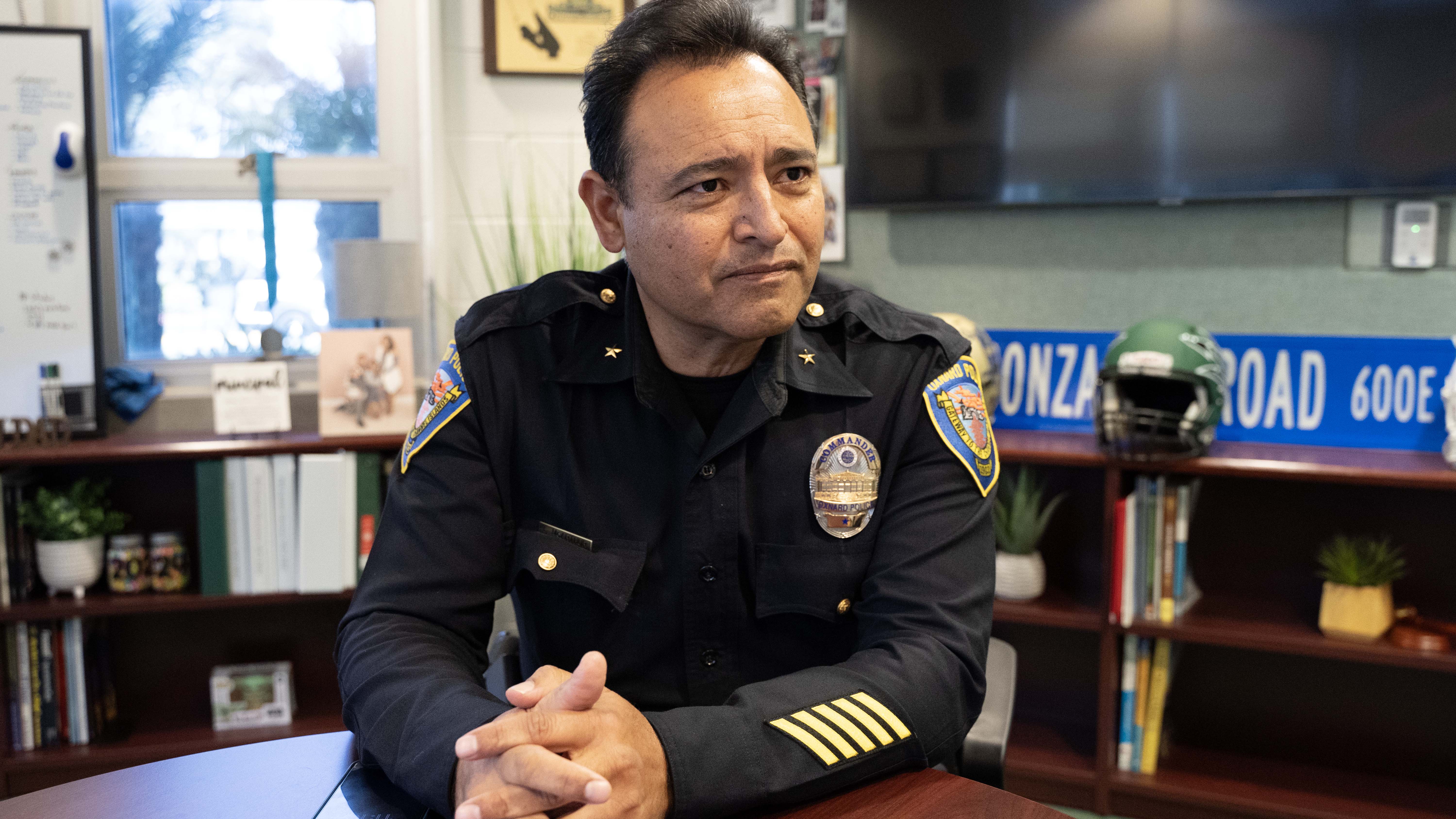
California school districts are channeling millions of dollars annually into contracts with local law enforcement agencies for police presence on campuses, a practice that often occurs with minimal public scrutiny and oversight from elected school boards. This significant financial commitment diverts funds intended for educational resources towards policing, raising questions about priorities and accountability within the district structures.
The Shifting Landscape of Campus Security
Many California school districts are entering into lucrative agreements with cities and counties to embed law enforcement officers within their school communities. These arrangements, commonly referred to as contracts for school resource officers, represent a substantial financial commitment, with tax dollars earmarked for education being redirected to fund police services.
While some districts opt to call emergency services when needed or maintain their own police departments, a significant number rely on external law enforcement agencies. These agencies provide officers drawn from local police, sheriff, and probation departments, solidifying a complex relationship between educational institutions and the justice system.
A Deep Dive into District Spending
A comprehensive investigation into these policing contracts across California has revealed a concerning trend: elected school boards frequently approve substantial expenditures on police services without robust public discussion or detailed examination. These crucial financial decisions are often bundled into broader "consent agendas," allowing them to pass with minimal individual attention.
The scope of this spending is considerable. Analysis of nearly 10% of California's school districts, through public records requests, uncovered 118 policing contracts signed between 2018 and 2024. These agreements, some involving multiple law enforcement agencies, demonstrate a widespread reliance on contracted police officers.
The total financial outlay for these contracts is estimated to be at least $85 million. However, the true cost is likely much higher, as a substantial portion of these agreements lack specific dollar amounts. Instead, they refer to unspecified charges tied to law enforcement union contracts negotiated by cities and counties, leaving school boards to approve spending without a clear understanding of the full financial commitment.
Experts and watchdogs have expressed surprise at the costs associated with these contracts. Some districts are not only funding officers whose positions are already covered by local government budgets but are also paying for police vehicles, uniforms, and communication devices. This practice has led to accusations of "double taxation," where taxpayers effectively fund the same services twice.
The cost of a single resource officer contract can often surpass the salary of a mid-career teacher. For instance, one district's contract for a single sheriff's deputy amounts to over $192,000 for a year, a sum sufficient to fund nearly two teachers' salaries. This contract also obligates the district to cover the officer's training, equipment, uniform, vehicle, supplies, and benefits.
In larger districts, the financial commitment escalates dramatically. One district with 67 schools and over 62,000 students has a three-year contract for six deputies totaling $8.5 million, which includes significant allocations for patrol cars and cellphone bills, alongside guaranteed overtime. An additional contract with a local city provides three officers for nearly $1 million over three years.
Law enforcement officials describe these arrangements as providing an "enhanced service," where deputies are dedicated full-time to campus duties. While these officers are part of the sheriff's regular budget for general services, the argument is made that their specialized, full-time presence on school grounds warrants additional charges to the district.
The "Double Taxation" Dilemma
A significant concern raised by board members and taxpayer advocates is the practice of school districts paying for officers whose salaries and benefits are already covered by city or county budgets. This arrangement is frequently described as "double taxation," where the public purse is strained twice for the same law enforcement service.
In one county, a large school district has multiple contracts with cities and the sheriff's office, covering a substantial portion of officers' salaries and benefits. Another contract involves paying the full cost of a deputy. This situation has led to vocal opposition from elected officials who question the fairness and transparency of such financial arrangements.
The mayor of a city, who previously oversaw school resource officers, acknowledged financial constraints and staffing shortages as reasons for charging school districts. While philosophical debates about the responsibility of police departments to fund these officers exist, the financial realities suggest these charges are likely to persist.
Advocates for limiting taxes emphasize that taxpayers should receive distinct services for each payment. If taxpayers are funding two police officer positions through their general taxes, they should be entitled to two officers, not paying twice for the same individual's services.
However, not all municipalities engage in this practice. In some areas, voters have approved local tax measures that explicitly fund services like school resource officers, demonstrating a community-driven approach to campus security funding. Even in these cases, some districts still maintain separate contracts with other entities for additional police services.
The National Association of School Resource Officers acknowledges that cost-sharing models vary widely across the country, with districts contributing anywhere from 25% to 100% of an officer's salary. This organization recommends that school boards conduct annual reviews of their policing contracts to ensure ongoing alignment with district needs and expectations.
Security Concerns and Officer Roles
Public opinion polls indicate a strong parental concern regarding school safety, with a significant majority supporting the presence of armed police officers on campus. This sentiment often drives the demand for school resource officers, particularly in the context of anxieties surrounding potential mass shootings.
Despite the public's focus on security, many contracts for resource officers rarely detail the specific role these armed individuals play in student safety beyond general presence. Some agreements do not explicitly mention school security, yet the rationale for the expenditure is often cited as providing a deterrent and response capability in critical situations.
The effectiveness of resource officers in preventing or responding to school shootings remains a subject of ongoing research and debate. While some studies suggest their presence may reduce certain types of crime and improve the detection of weapons and drugs, other research points to potential negative impacts on students, including increased disciplinary actions and greater law enforcement contact.
There is also evidence suggesting that Black and Latino students may be disproportionately affected by the presence of school resource officers, facing increased scrutiny and disciplinary measures. This raises critical questions about equity and the potential for implicit bias within campus policing models.
Furthermore, many contracts stipulate that officers may divide their time across multiple campuses. This can potentially dilute their immediate response capability in the event of an emergency at a specific school, complicating the intended security benefits.
Transparency and Accountability Lapses
A recurring theme in the analysis of these contracts is a significant lack of transparency and accountability. Many school boards routinely approve substantial policing contracts without engaging in meaningful public debate or thorough review, often relying on "consent agendas" that bundle numerous items for a single vote.
Government transparency experts and legal counsel for civil liberties organizations have expressed alarm over this practice. They argue that bundling complex and financially significant contracts, such as those for police services, with routine items like field trips or staff amenities, obscures the true nature and cost of these agreements from public view.
The U.S. Department of Justice recommends annual assessments of school resource officer programs, encouraging collaboration between school and law enforcement leadership to evaluate program effectiveness and ensure officers are using their authority judiciously. However, many California school districts fail to adhere to these recommendations.
When Contracts Go Unchecked
Even when contracts include provisions for regular reporting on officer activities, law enforcement agencies often fail to provide these documents. In many instances, school officials do not actively request these reports, or they overlook the lack of submission, further diminishing oversight.
For example, one district's contract with another unified school district's police department requires quarterly activity reports and copies of incident reports. However, the contracted police department admitted to being "unaware of this requirement" and had not provided the documents. The school district acknowledged that no one had requested them, citing employee turnover as a contributing factor.
In another case, a contract with a county sheriff's office included a requirement for quarterly activity reports. The school district admitted to "never requesting them" and subsequently allowed the contract to lapse without renewal. The new contract with a different department lacked any reporting requirements.
Some argue that such reports are unnecessary if a strong partnership exists between the school and law enforcement. However, others contend that detailed reporting is crucial for evaluating the effectiveness of policing programs and making informed decisions about continued financial commitments. Without these reports, school boards cannot definitively determine if the expenditure on police services is a "smart decision" for the district.
The absence of clear reporting mechanisms means that school boards often approve contracts without a concrete understanding of how officers are spending their time on campus or the impact of their presence. This lack of data makes it challenging to assess the true value and effectiveness of the contracted police services.
The Perils of Consent Agendas
The use of "consent agendas" for approving policing contracts is a particular point of concern. These agendas are designed for routine items that require little to no discussion, allowing boards to expedite their meetings. However, when significant financial commitments like police contracts are included, it can lead to a severe lack of transparency and public engagement.
Legal experts argue that bundling these contracts with unrelated items can be an abuse of the consent agenda process. The language of a contract with a police department carries significant implications for a school district's values and priorities, far beyond agreements for playground equipment or catering services.
In some instances, the stated cost of contracts on consent agendas has been misleading. One district approved contracts on a consent vote, with the agenda stating all items were under a certain monetary limit. However, the actual contracts, well over that limit, were approved without individual scrutiny. This practice has raised concerns about potential violations of state laws mandating open and transparent public meetings.
District officials have defended these practices by stating there is no legal requirement to agendize items based on dollar figures. However, critics argue that such omissions can mislead the public and circumvent the democratic process, preventing informed community input on critical decisions affecting school safety and resource allocation.
The lack of debate on these contracts means that potential issues, such as the impact of police presence on specific student populations or the overall effectiveness of the program, are rarely addressed publicly. This can lead to a disconnect between the decisions made by the board and the concerns of the community they serve.
Delayed Approvals and Questionable Practices
Further examination of contract practices reveals instances where school boards delay the formal approval of resource officer contracts, sometimes for months or even years after the agreements have taken effect or expired. This "sloppy" practice raises significant concerns about financial management and accountability.
Under state law, school superintendents can agree to contract terms, but these agreements are not legally binding until ratified by the school board. When boards approve contracts retroactively, it creates a situation where services have already been rendered and paid for without prior board authorization.
This practice is considered a poor budgeting and transparency measure. It leaves taxpayers without adequate notice or opportunity to voice their opinions on significant expenditures before the money is committed. The potential for a board to reject a contract after services have been provided creates an untenable situation for both the school district and the law enforcement agency.
In some cases, districts have been unable to produce policing contracts for specific school years, only for records to later reveal that services were indeed provided and billed. The subsequent retroactive ratification of these expired contracts raises questions about compliance with procurement processes and the integrity of financial oversight.
Legal interpretations suggest that such retroactive approvals may be an attempt to legitimize expenditures and avoid potential legal challenges regarding the improper use of public funds. However, the underlying practice of approving contracts after the fact is widely criticized as a failure of due diligence and a breach of public trust.
School boards are expected to approve contracts before the related work commences, ensuring that all parties are aware of the terms and that public funds are allocated responsibly and transparently. The delays and retroactive approvals observed in some districts highlight a need for improved administrative practices and a stronger commitment to timely and thorough board oversight of all district contracts.






 Explore AI Teaching Tools
Comments (0)
Please login to comment
No comments yet
Be the first to comment on this article