

California Eyes Permanent Funding for Community Schools: A Bold Gamble to Support the Whole Child
Imagine a school where a student can find a quiet corner to decompress with sensory toys, another can access a healthy meal and a third can receive crucial mental health support – all within the school day. This isn't a futuristic vision; it's the burgeoning reality of California's community schools, a model that is now at a critical juncture, with the governor pushing for its permanent integration into the state's funding structure.
From Zen Dens to Comprehensive Support: Redefining the School Experience
At Coarsegold Elementary School in Madera County, a unique space known as the "Zen Den" offers students a sanctuary. Here, children can channel their energy on a mini-trampoline, find solace in a rocking chair, or engage their minds with building blocks, all while wearing headphones for focused calm. This innovative approach is a small but powerful illustration of California's ambitious $4 billion initiative to transform thousands of schools, particularly those in high-poverty areas, into vibrant community hubs.
The community school model, while not entirely new, is defined by a commitment to serving the "whole child." This means going beyond traditional academics to address a student's physical, mental, and social-emotional well-being. It involves forging deep partnerships with families and local organizations to create a robust support network that removes barriers to learning and thriving.
Now, buoyed by early indicators of success, Governor Gavin Newsom is advocating for a significant shift: making community school funding a permanent fixture in the state's budget. This proposal, if enacted by the Legislature, would inject an additional $1 billion annually into expanding and sustaining this transformative model across California.
The Stakes: A Billion-Dollar Question for California's Students
As lawmakers deliberate on this pivotal proposal, they face a complex calculus. The core question is whether to embed community schools permanently within the state's funding formula and, crucially, whether $1 billion per year is sufficient to foster growth, ensure long-term viability, and maintain robust accountability.
Since 2021, California has already channeled grant funding to nearly 2,500 schools, representing about a quarter of the state's educational institutions. The governor's plan aims to dramatically expand this reach, making an additional 3,700 schools eligible for funding each year. However, the Legislative Analyst's Office, a nonpartisan fiscal advisor to the state, has voiced concerns, particularly regarding the long-term affordability of such a substantial, ongoing commitment, especially as the number of eligible schools could nearly triple.
A Glimpse into the Zen Den
The calming corner of Coarsegold Elementary's Zen Den offers a poignant example of the model's impact. A student meticulously drops water-gel beads into cylindrical bottles, finding a moment of focused engagement. This simple activity underscores the room's purpose: to provide students with tools to manage their emotions and create a more conducive learning environment.
On another occasion, a student is seen engrossed in an interactive calming book, its sensory features designed to soothe and engage. Nearby, another child is absorbed in constructing with blocks, demonstrating the diverse ways students utilize this dedicated space. These scenes highlight the tangible, student-centered benefits of the community school approach.
A Pandemic-Fueled Push for Community Schools
If the governor's proposal gains legislative approval, California would join a growing cohort of states, including Maryland and New York, that have integrated community school funding into their state budgets. This momentum, however, is the culmination of decades of advocacy and evolving educational philosophies.
The roots of the community school concept can be traced back to the Civil Rights Movement of the 1960s, with early iterations seen in districts like Oakland Unified. By 2014, the principles of the whole-child, community-engaged approach had gained significant traction, both in California and across the nation, even if not always under the explicit "community school" banner.
By 2020, a substantial 39 states had established some form of state funding for community schools. Advocates, including the California Teachers Association and various local unions, had long championed California's adoption of this model. The state Legislature finally responded in 2021, a decision heavily influenced by the profound disruptions and exacerbated challenges students faced during the COVID-19 pandemic.
Removing Barriers, Building Futures
Since the initial grant funding, schools have been instrumental in dismantling obstacles that hinder student attendance and academic success. Fresno Unified, for instance, operates 29 community schools that provide a wide array of essential services. These include access to food, backpacks, laundry facilities, eyewear, clothing closets, and hygiene products, addressing fundamental needs that can significantly impact a student's ability to focus on learning.
The model emphasizes leveraging community resources. In Chowchilla High Union School District, students in need have received vouchers for local barbershops and hair salons. At North Fork Elementary School in Madera County, where a significant portion of the student population is of American Indian heritage, tribal lessons on traditional basket weaving are offered. This initiative aims to foster a profound sense of belonging and cultural connection among Native American students.
Yosemite Unified has gone a step further by purchasing a van for Coarsegold Elementary, located in a rural mountain area. This van facilitates transportation for families and students to attend after-school events, bridging geographical divides and strengthening the school-community bond. Educators consistently report that these programs boost student motivation, create a welcoming atmosphere, and lead to improved attendance, fewer disciplinary issues, and notable academic gains.
The Data Speaks: Tangible Improvements in Student Outcomes
The impact of community schools is not merely anecdotal; emerging data provides concrete evidence of their effectiveness. A comparative study by the Learning Policy Institute, which analyzed data from state-funded community schools against similar neighboring schools without this support, revealed significant positive trends.
Between the 2018–19 and 2023–24 school years, community schools demonstrated a remarkable 30% greater reduction in chronic absenteeism compared to their comparison counterparts. Furthermore, suspension rates saw an average decrease of 15% at community schools, while comparison schools experienced slight increases.
Academically, students in community schools showed notable progress. Their English language proficiency scores improved, equivalent to an additional 36 days of learning, while math scores reflected an improvement of approximately 43 additional days of learning compared to students in non-community schools. These gains were particularly pronounced in elementary schools, among those receiving the first round of grant funding, and for specific student groups, including Black students and English learners.
A Governor's Vision for Sustainability
These encouraging results are a primary driver behind Governor Newsom's push for permanent community school funding. Linda Darling-Hammond, president of the State Board of Education and an advisor to the governor, emphasizes that embedding this model into the state's funding formula is the most effective way to ensure its long-term sustainability. She points to California's history of successful programs that have faltered due to reliance on one-time funding, highlighting the need for a more stable, structural approach.
Navigating the Road Ahead: Challenges and Considerations
Despite the promising trajectory, the governor's proposal is not without its complexities and potential hurdles. The Legislative Analyst's Office (LAO) has raised important questions regarding the financial feasibility of sustaining the model long-term, especially as the number of eligible schools could expand significantly. The LAO estimates that the proposed $1 billion annually might not be sufficient to support all eligible schools over time, particularly after the initial grant funding concludes.
While the proposal includes accountability measures, the timeline for implementing new requirements for newly designated community schools extends to 2029. Currently, schools are expected to self-certify their adherence to the community school model. However, the LAO points out that fully embracing this model often necessitates fundamental shifts within school cultures, including genuine community engagement in decision-making processes. Resistance to change from existing school or district staff can present a significant obstacle.
The proposed legislation also outlines an accreditation process to ensure continued funding, but the specifics of this process remain undefined. Given these concerns about costs, clarity of guidelines, and the practicalities of implementation and accountability, the LAO has recommended a continued grant-funded approach for future rounds of community schools, rather than integrating it directly into the state's core funding formula.
The Community School Coordinator's Perspective
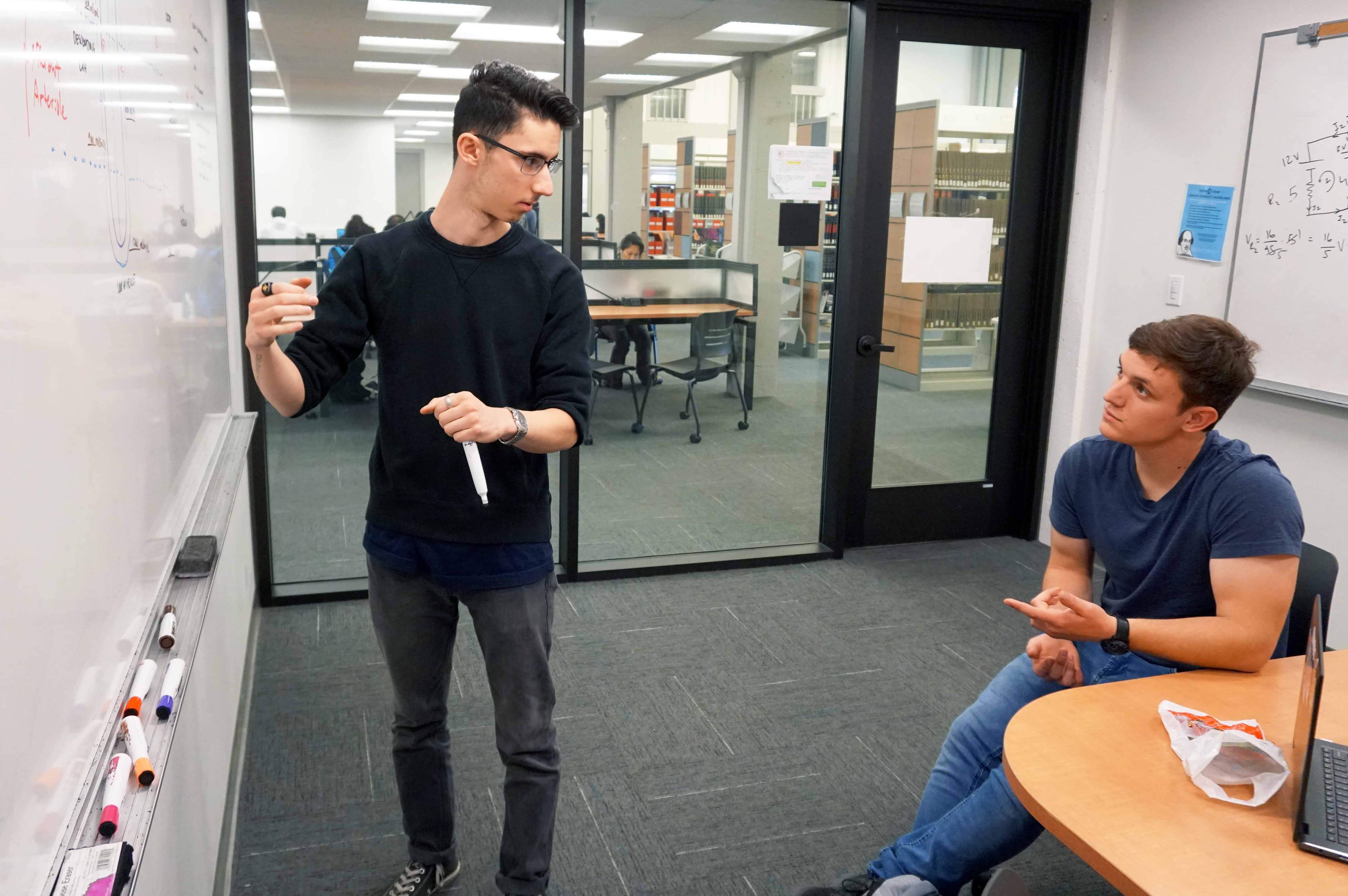
Darrin Person, Fresno Unified's executive director of community schools, was observed discussing the governor's proposal with district coordinators. Their meeting focused on strategies for effective family engagement, a cornerstone of the community school philosophy. This highlights the practical, on-the-ground efforts required to make the model successful.
The debate over permanent funding reflects a broader conversation about how California can best invest in its students and communities. The success of the community school model hinges not only on financial commitment but also on fostering a culture of collaboration, adaptability, and unwavering focus on the holistic well-being of every student. As the Legislature weighs this significant decision, the future of thousands of California schools and the students they serve hangs in the balance, with the potential for a profound and lasting positive impact.





 Explore AI Teaching Tools
Comments (0)
Please login to comment
No comments yet
Be the first to comment on this article