
Climate Accountability: How Students Demand Fossil Fuel Companies Fund Education Disruption
The hum of the classroom is a familiar sound, a backdrop to learning and growth.But for countless students worldwide, this vital space is increasingly interrupted by the escalating impacts of a changing climate.
From wildfires forcing evacuations to smoke-filled air hindering breathing, the tangible effects of extreme weather are disrupting education, leaving students and educators grappling with lost learning time and damaged infrastructure.
This article explores the growing movement of students advocating for a crucial shift: holding fossil fuel companies financially responsible for the educational costs incurred due to climate-driven disasters.
The Growing Cost of Climate Disruption on Schooling
Extreme weather events are no longer isolated incidents; they are becoming a recurring reality, directly impacting the educational journey of students across the globe.Research indicates that a significant portion of the world's student population has experienced disruptions to their schooling due to climate-related phenomena.
This translates to missed lessons, canceled exams, and the emotional toll of displacement and environmental anxiety.
Quantifying the Educational Impact
Studies indicate that millions of students in numerous countries have lost valuable instructional days each year because of heat waves, wildfires, floods, and other climate-fueled disasters.This loss of learning time is not merely an inconvenience; it can have long-term consequences for academic achievement and future opportunities.
The sheer scale of this disruption highlights a systemic issue that demands a novel approach to funding educational resilience.
The Link Between Fossil Fuels and Educational Disruption
The scientific consensus is clear: the burning of fossil fuels releases greenhouse gases that trap heat in the atmosphere, leading to more frequent and intense extreme weather events.Students, witnessing this connection firsthand, are increasingly vocal about the responsibility of the industries that profit from these emissions.
This perspective is gaining traction as the tangible costs of climate change become undeniable.
The "Polluter Pays" Principle: A New Frontier for Climate Funding
Inspired by historical precedents for environmental cleanup, a powerful movement is emerging, advocating for legislation that compels fossil fuel companies to contribute financially to addressing the climate crisis.This approach, often termed "polluter pays," aims to redirect profits from industries contributing to the problem towards solutions and mitigation efforts.
Legislative Innovations for Climate Resilience
Several jurisdictions are exploring innovative legislative frameworks to implement the "polluter pays" principle.These initiatives often draw parallels to existing superfund laws, which were established to hold companies accountable for hazardous waste cleanup.
The core idea is to create dedicated funding streams for climate adaptation and mitigation projects, thereby alleviating the burden on taxpayers and public resources.
Focus on Educational Infrastructure and Support
A critical aspect of these legislative efforts is the explicit inclusion of educational institutions.This means that funds generated could be allocated towards making schools more climate-resilient, investing in energy-efficient upgrades, and providing resources to help students and educators cope with climate-related disruptions.
The goal is to ensure that schools can continue to function as safe and effective learning environments, even in the face of a changing climate.
Student Activism: Driving the Charge for Climate Accountability
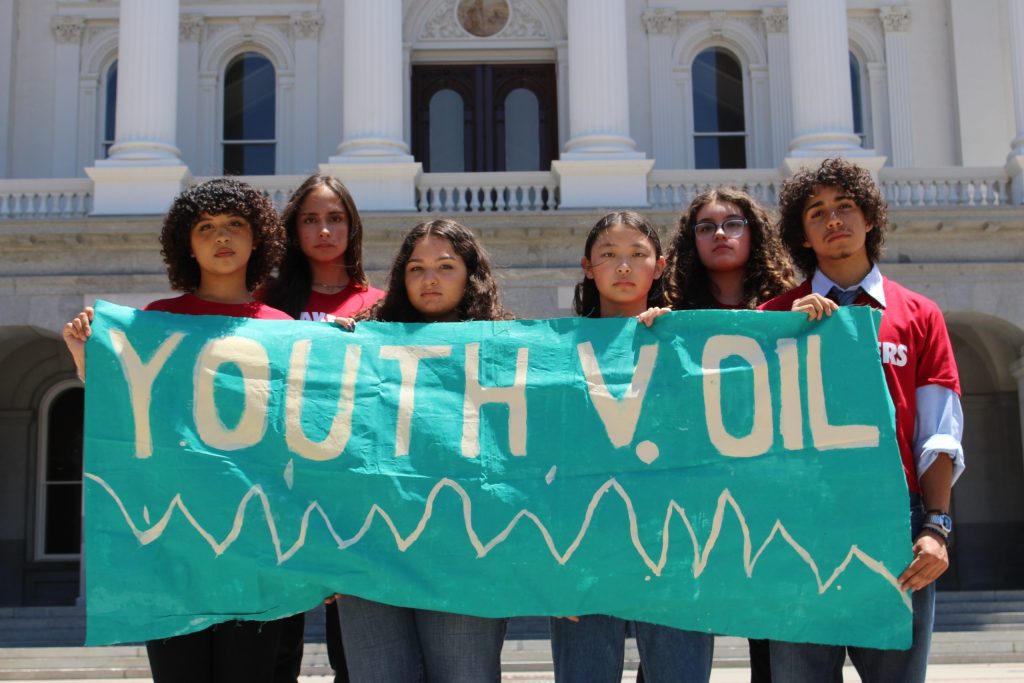
Young people are at the forefront of this movement, leveraging their voices and activism to advocate for policy changes.Students are organizing walkouts, engaging with legislators, and raising public awareness about the urgent need for climate action and corporate responsibility.
Their passion and determination are proving to be a powerful force in pushing for meaningful reform.
The Power of Youth-Led Advocacy
Students, like those in California, are actively participating in legislative processes, urging lawmakers to support bills that would hold fossil fuel companies accountable.They understand that their education and future are directly threatened by the climate crisis and are demanding that those who have profited from contributing to it should help fund the solutions.
This proactive engagement demonstrates a profound understanding of civic responsibility and a commitment to a sustainable future.
Bridging the Gap Between Learning and Action
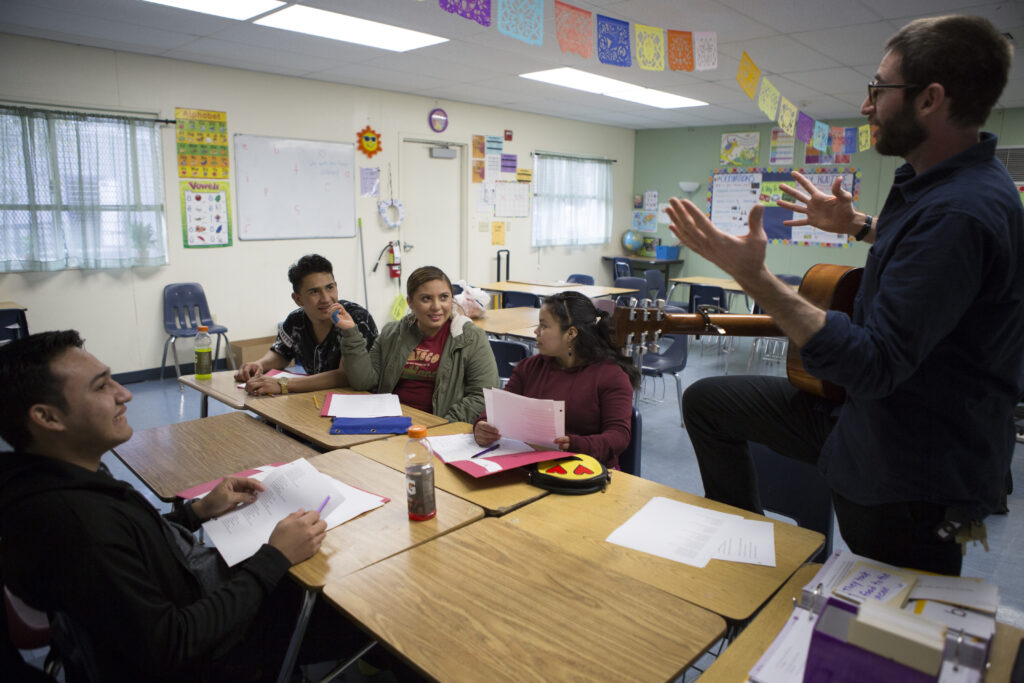
For many students, the fight for climate accountability has become an integral part of their education.They are learning about policy, advocacy, and the complex interplay between industry, environment, and society.
This hands-on experience often proves to be more impactful than traditional classroom learning, empowering them to become agents of change.
The journey of these students highlights how real-world issues can foster deep learning and inspire a generation to tackle pressing global challenges.
Challenges and Opposition to Climate Accountability Legislation
Implementing "polluter pays" legislation is not without its hurdles.Powerful industry lobbies and political opposition often emerge, raising concerns about economic impacts and the fairness of such measures.
Navigating these challenges requires persistent advocacy and a clear articulation of the benefits of holding polluters accountable.
Industry Lobbying and Economic Concerns
Fossil fuel companies and their allies often engage in extensive lobbying efforts to counter climate accountability legislation.They may argue that such bills unfairly penalize industries that have already contributed to emissions reduction programs or that they could lead to job losses and increased energy costs.
Addressing these concerns requires robust data, transparent communication, and a focus on the long-term economic benefits of a stable climate.
Political Debates and Legislative Roadblocks
The legislative process can be complex, with bills facing scrutiny and potential roadblocks from various political factions.Concerns about retroactive punishment, the scope of liability, and the distribution of collected funds can lead to intense debates.
Supporters of climate accountability legislation must be prepared to engage in these discussions, providing clear explanations and demonstrating the necessity and fairness of their proposals.
The political landscape often requires careful negotiation and compromise to advance such critical initiatives.
The California Climate Bill: A Case Study in Progress
California has emerged as a key battleground for climate accountability legislation.A proposed bill, modeled on the superfund concept, aims to establish a mechanism for fossil fuel companies to contribute to climate resilience efforts, with a particular focus on educational infrastructure.
This initiative, though facing opposition, represents a significant step forward in the fight for climate justice.
Key Provisions of the California Climate Bill
The proposed California legislation outlines a framework for creating a climate superfund.This fund would be designed to support a range of investments, including the development of climate-resilient schools, the transition to electric school buses, and the creation of green workforce development and job training programs.
The bill seeks to ensure that the educational system is better equipped to withstand and adapt to the impacts of climate change.
Navigating Opposition and Building Support
Despite strong support from students and environmental organizations, the California bill has encountered significant opposition from the oil and gas industry and certain labor unions.Concerns about potential refinery closures and rising gas prices have been raised by some legislators.
However, proponents of the bill, including former educators, remain optimistic, emphasizing the urgent need to address the climate crisis and its profound impact on students.
Ongoing negotiations and public engagement are crucial for its eventual passage.
Broader Implications: Lessons from New York and Vermont
The experiences of New York and Vermont, which have already enacted laws similar to the proposed California bill, offer valuable insights.These states have demonstrated that it is possible to create mechanisms for holding polluters accountable and directing those funds towards critical infrastructure and adaptation projects, including those benefiting the education sector.
Implementing Superfund Models for Climate Action
New York and Vermont have pioneered the application of the superfund concept to climate change.Their laws aim to provide states with the financial capacity to undertake necessary projects that enhance resilience and protect public safety.
This approach allows for proactive investments in areas such as energy-efficient cooling systems and building upgrades, particularly within school environments.
Legal Challenges and the Defense of State Authority
The laws enacted in New York and Vermont have faced legal challenges from the federal government and other states.These challenges often center on arguments about federal authority and the perceived overreach of state legislation.
However, legal experts and environmental advocates are actively defending these laws, asserting the right of states to address the climate crisis and hold responsible parties accountable.
The outcomes of these legal battles will have significant implications for future climate accountability efforts nationwide.
The Future of Education in a Changing Climate
The escalating impacts of climate change necessitate a fundamental rethinking of how we prepare our educational systems for the future.This includes not only adapting infrastructure but also ensuring that students are equipped with the knowledge and skills to navigate a changing world and advocate for a sustainable planet.
Investing in Climate-Resilient Schools
Creating schools that can withstand extreme weather events is paramount.This involves retrofitting existing buildings, incorporating sustainable design principles in new construction, and developing robust emergency preparedness plans.
The financial burden of these necessary upgrades should not fall solely on local communities or taxpayers.
Empowering Students as Climate Advocates
Beyond infrastructure, education itself must evolve.Students need to understand the science of climate change, its societal implications, and the pathways to mitigation and adaptation.
Furthermore, fostering their capacity for advocacy and civic engagement is crucial, empowering them to be active participants in shaping a sustainable future.
The lessons learned from their activism are invaluable, demonstrating the power of collective action and informed citizenship.
Conclusion
The disruption of education by climate change is a pressing global issue that demands innovative solutions.The growing movement advocating for fossil fuel companies to help fund the costs associated with this disruption, exemplified by legislative efforts in California and existing laws in New York and Vermont, represents a significant step towards climate justice.
By holding polluters accountable and investing in climate-resilient education, we can better protect our students, our schools, and our collective future.
The active participation of students in this fight underscores their commitment to a sustainable world and their demand for a more equitable approach to addressing the climate crisis.






 Explore AI Teaching Tools
Comments (0)
Please login to comment
No comments yet
Be the first to comment on this article