
Graduation Caps Off, Job Hunt Looms: The Steep Climb for Autistic College Graduates
The triumphant cheers of graduation often mask a stark reality for many autistic students: the real challenge has just begun. While earning a college degree signifies immense achievement, the path to meaningful employment remains a formidable hurdle, with traditional hiring processes often acting as an unintentional barrier.
Bridging the Gap from Campus to Career
For many autistic graduates, the skills and knowledge acquired in college are undeniable. However, the nuances of navigating a job search, particularly the interview stage, can present significant obstacles. This is where specialized support systems are becoming increasingly vital.
The Interview Gauntlet
Traditional interviews frequently prioritize social cues and unspoken communication that may not come naturally to autistic individuals. Behaviors like direct eye contact, rapid conversational flow, and mirroring body language are often subconsciously weighted by recruiters, sometimes overshadowing a candidate's qualifications.
This can lead to a situation where autistic candidates, despite possessing the necessary technical skills and a strong work ethic, are overlooked. The emphasis on neurotypical social presentation can inadvertently filter out highly capable individuals before their expertise is even considered.
Furthermore, the rise of AI-powered screening tools can exacerbate these challenges. These systems, trained on vast datasets, may flag resumes that include disability-related achievements or penalize candidates for vocal patterns, perceived lack of eye contact, or repetitive movements, often referred to as "stimming."
Rethinking Recruitment: A Shift Towards Skills
Recognizing these systemic issues, a growing number of educational institutions and forward-thinking companies are actively working to create more inclusive hiring pathways. The focus is shifting from "likability" to demonstrable ability.
Some organizations are implementing skills-based assessments, where candidates are asked to complete job-related tasks. This approach allows individuals to showcase their practical skills and problem-solving abilities in a more direct and less subjective manner.
The integration of AI in recruitment is also evolving. While early iterations posed challenges, newer AI tools are being developed to better identify talent without penalizing neurodivergent traits. This promises a more equitable playing field for all candidates.
Universities Step Up to Support Autistic Students
Colleges and universities are increasingly recognizing their role in preparing autistic students for the workforce. Programs designed to foster career readiness are becoming a cornerstone of support for neurodivergent undergraduates.
Tailored Career Coaching and Preparation
Institutions are offering specialized career services that go beyond generic resume workshops. These programs often include one-on-one coaching sessions focused on interview strategies, disclosure considerations, and understanding workplace dynamics.
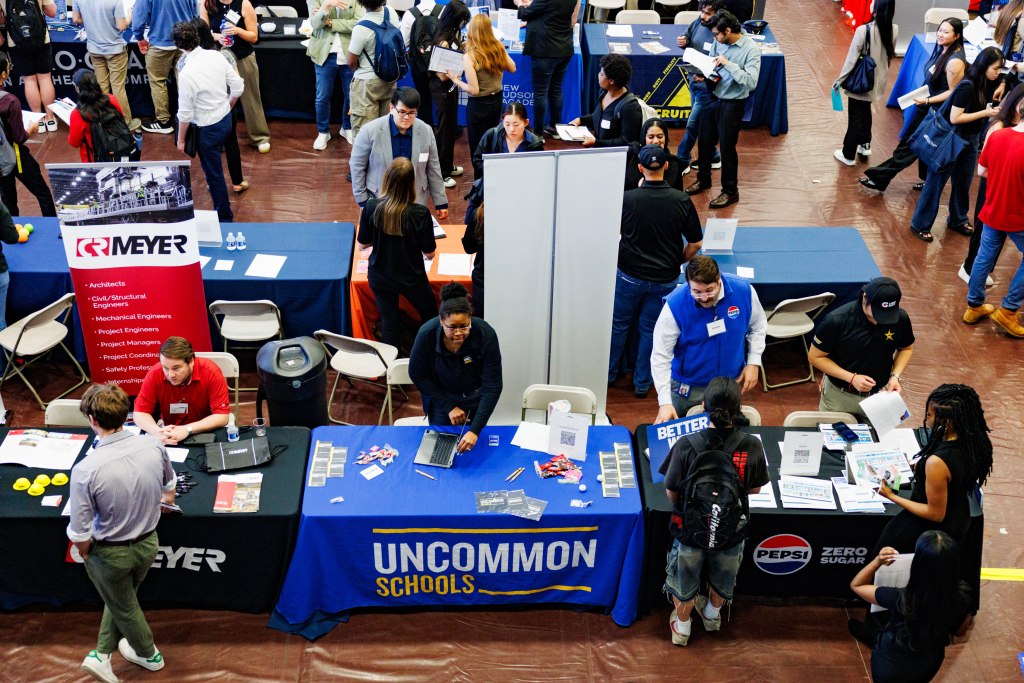
For instance, a student like Jimmy Myers, a freshman with a passion for transportation, might find immense value in a program that helps him articulate his detailed knowledge of railway projects to potential employers. Such coaching can transform a potentially overwhelming career fair into a targeted opportunity.
These programs also equip students with the tools to navigate the complexities of disclosing their autism. The decision of when and how to share this information with a prospective employer is a critical one, with potential benefits and drawbacks that are carefully explored.
The Power of Mock Interviews and Skill-Building
Mock interviews are a crucial component of these career preparation initiatives. These simulated interview experiences allow students to practice their responses, refine their communication style, and receive constructive feedback in a low-stakes environment.
For example, a student like Anthony Ung, preparing for a technical interview, might work with a coach to develop strategies for managing anxiety and maintaining focus. This could involve practicing techniques like using "grounding stickers" or finding quiet, discreet ways to self-regulate during virtual or in-person interviews.
The goal is not to force autistic students to "act" neurotypical, but rather to provide them with effective strategies to present their best selves and clearly communicate their capabilities. This empowers them to advocate for their needs and showcase their unique strengths.
The Strengths Autistic Graduates Bring to the Workplace
Beyond the challenges, the unique cognitive profiles of autistic individuals often translate into significant assets for employers. Many autistic graduates possess traits that are highly sought after in today's complex work environments.
Attention to Detail and Pattern Recognition
An exceptional attention to detail is a hallmark for many autistic individuals. This can be invaluable in roles requiring meticulousness, accuracy, and the ability to spot nuances that others might miss.
Furthermore, the capacity to identify patterns and connections that may not be immediately apparent to others can lead to innovative solutions and novel approaches to problem-solving. This unconventional thinking can drive progress and foster creativity within teams.
Deep Focus and Expertise
When an autistic individual is passionate about a subject, their ability to hyperfocus can lead to an unparalleled depth of knowledge and expertise. This intense dedication allows them to become subject matter experts, contributing significantly to their fields.
Students like Eli Werbach, who describes his autism as an asset, highlight how this focus allows him to generate unique connections and devise interesting solutions. Similarly, Tyler Murphy views his ability to deeply immerse himself in subjects he enjoys as a "superpower" that fuels his learning and application of knowledge.
Corporate Partnerships: A Growing Trend
Leading corporations are increasingly recognizing the immense value that neurodivergent talent brings. This has led to the establishment of dedicated neurodiversity hiring programs and partnerships with universities.
Building Inclusive Recruitment Pipelines
Companies are actively collaborating with colleges to recruit autistic students for internships and full-time positions. These partnerships aim to streamline the hiring process and ensure that qualified candidates are given fair consideration.
The success of these initiatives is becoming evident. Some companies report that their neurodiverse employees are not only highly productive but also contribute to a more thoughtful and inclusive workplace culture. This can lead to improved communication, clearer expectations, and better support for diverse working styles across the entire organization.
Data Demonstrates the Impact
Early data from these corporate programs is compelling. Some studies suggest that autistic employees can be more productive than their neurotypical counterparts. Furthermore, the implementation of neurodiversity programs has been linked to significant business value, indicating a strong return on investment.
These programs often foster a ripple effect, encouraging all employees to be more mindful of different communication styles and working preferences. This creates a more supportive and effective environment for everyone.
Navigating the Disclosure Dilemma
One of the most complex aspects of the job search for autistic graduates is the decision of whether and when to disclose their diagnosis. This choice carries significant implications.
Weighing the Pros and Cons
Disclosing one's autism can lead to potential accommodations and a more open dialogue about workplace needs. However, it also carries the risk of unconscious bias or discrimination from some employers.
Conversely, not disclosing can allow candidates to be evaluated solely on their skills. Yet, if challenges arise later, not having disclosed might lead to misunderstandings or criticism. The act of "masking" – consciously suppressing autistic traits to appear neurotypical – can also take a significant emotional toll, contributing to anxiety and burnout.
Strategic Disclosure
Many career counselors advise students to consider disclosing their diagnosis after receiving a job offer. This allows them to secure the position based on their qualifications and then openly discuss any necessary accommodations.
Ultimately, the decision is deeply personal. Some graduates, like Tyler Murphy, choose to be upfront about their autism, viewing it as a strength. Others, like Eli Werbach, have adopted a more fluid approach, disclosing at different stages depending on the context and their comfort level.
The Future of Work for Autistic Graduates
The landscape for autistic college graduates is evolving. While challenges persist, the growing awareness, specialized support programs, and corporate commitment to neurodiversity hiring are creating more promising pathways to employment.
As institutions like Drexel and Rowan continue to refine their career readiness initiatives, and as more companies embrace inclusive recruitment practices, the future looks brighter for autistic individuals seeking to translate their academic achievements into fulfilling careers. The journey from graduation to employment is still demanding, but the support systems and understanding are steadily growing, empowering more autistic students to showcase their unique talents and contribute meaningfully to the workforce.






 Explore AI Teaching Tools
Comments (0)
Please login to comment
No comments yet
Be the first to comment on this article