
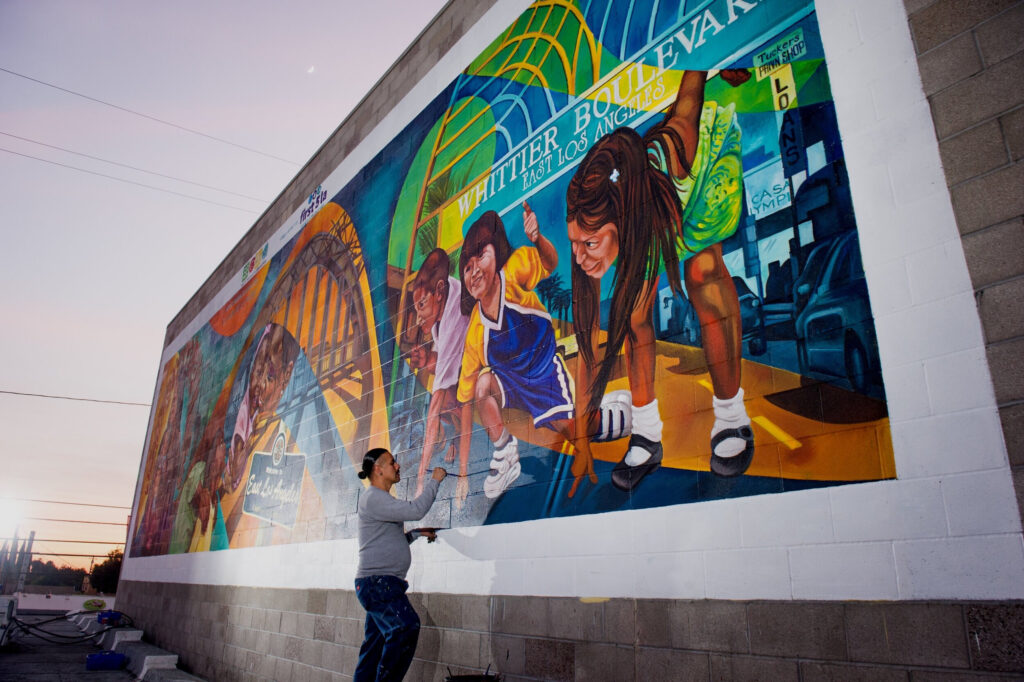
Transforming Lives Through Art: The Debora Academy's Impact on Youth
Imagine a space where creativity isn't just encouraged, but is a lifeline.
For many young individuals navigating challenging circumstances, art offers a powerful pathway to healing, self-discovery, and a brighter future.
This is the core mission of initiatives like the Debora Academy, a testament to how dedicated arts education can profoundly impact lives, providing a sanctuary and a vocational springboard for those who need it most.
They believe that art is not a luxury, but a fundamental tool for empowerment, especially for youth who have faced adversity.
The Genesis of Artistic Empowerment: From Struggle to Studio
The journey of many aspiring artists often begins with a spark, a deep-seated need for expression.
For some, this spark ignites amidst difficult realities, where the conventional avenues for learning and growth seem out of reach.
This is precisely the environment that fosters the creation of vital educational hubs.
They understand that for individuals who have experienced gang involvement or incarceration, finding a supportive and accessible environment to hone their talents is paramount.
The work done here is not merely about teaching artistic techniques; it's about rebuilding confidence, fostering a sense of belonging, and unlocking potential that might otherwise remain dormant.
The philosophy driving these academies is rooted in the belief that everyone possesses an innate capacity for creativity.
They actively seek out those who feel overlooked, the individuals who might be struggling with addiction, facing legal challenges, or simply feeling lost.
The academy's approach is to meet these young people where they are, offering a safe haven where they can explore their emotions and experiences through various art forms.
This creates a unique learning ecosystem, one that is both therapeutic and skill-building, allowing participants to reclaim their narratives and forge new identities.
Unlocking Potential: The Debora Approach to Arts Education
At the heart of this transformative work lies a profound understanding of the artist's journey.
They recognize that art can serve as a powerful catalyst for personal growth, offering a unique language to articulate complex feelings and experiences.
The Debora Academy, for instance, champions an educational model that is deeply rooted in the lived realities of its students.
Instead of imposing rigid artistic doctrines, they encourage the exploration of personal truths, fostering an environment where authenticity is paramount.
This means embracing the raw, the real, and the unvarnished aspects of life as valid subjects for artistic interpretation.
The curriculum is designed to be both accessible and relevant, drawing inspiration from diverse artistic traditions, including the vibrant world of hip-hop and street art.
This approach acknowledges that for many young people, these cultural expressions are already a significant part of their lives.
By integrating these elements into formal art education, the academy bridges the gap between familiar cultural touchstones and the broader artistic landscape.
This makes the learning process more engaging and empowering, allowing students to see their own experiences reflected and validated within the artistic canon.
Cultivating a Sense of Ownership and Purpose
A critical component of the Debora Academy's success is its emphasis on fostering a sense of ownership among its students.
They are not just passive recipients of instruction; they are active creators, encouraged to take charge of their artistic development and their personal narratives.
This empowerment extends beyond the studio, equipping them with skills and confidence that can be applied to all aspects of their lives.
The academy provides a space where they can learn to articulate their stories, to be unblinking about what they see, and to feel the liberating freedom of a blank canvas, ready to be filled with their unique vision.
The work they do is a powerful demonstration of how art can serve as a vehicle for healing.
By engaging in the creative process, individuals can process trauma, manage stress, and develop a stronger sense of self-worth.
The act of creation itself can be a form of catharsis, offering a much-needed escape from difficult realities while simultaneously building resilience.
This is why the academy is so dedicated to providing these opportunities, understanding that for many, art is not just a hobby, but a vital tool for survival and thriving.
Beyond the Canvas: Vocational Training and Life Skills
The vision of the Debora Academy extends far beyond the creation of beautiful artwork.
It is fundamentally about equipping young individuals with the skills and confidence they need to build sustainable futures.
This includes a strong emphasis on vocational training, preparing students for potential careers within the creative industries.
They understand that for many of their participants, a traditional academic path may not have been successful, and therefore, offering practical, hands-on training in artistic disciplines is crucial.
This vocational aspect is integrated seamlessly with the artistic development.
Students learn not only how to paint, draw, or sculpt, but also how to approach their craft with professionalism and dedication.
They are taught the importance of discipline, perseverance, and the ability to translate creative ideas into tangible outcomes.
This holistic approach ensures that participants are not only developing their artistic talents but also gaining valuable life skills that will serve them well in any endeavor they choose to pursue.
Bridging the Gap: From Incarceration to Innovation
A significant focus of the academy's work is on supporting individuals who have experienced incarceration.
They recognize the immense challenges faced by formerly incarcerated youth in reintegrating into society and finding meaningful employment.
The Debora Academy provides a crucial bridge, offering a supportive environment where they can channel their energy and creativity into positive pursuits.
This is where the true power of their work shines, demonstrating that past mistakes do not define a person's future potential.
The arts become a powerful tool for rehabilitation and personal transformation.
By engaging in creative projects, individuals can begin to heal from past traumas, develop a stronger sense of identity, and build a network of support.
The academy's commitment to providing free services is a testament to their belief that everyone deserves a chance to succeed, regardless of their background.
They are creating spaces where these individuals can be seen, heard, and valued, fostering a sense of hope and possibility that can change the trajectory of their lives.
The Wider Impact: Art as a Force for Social Change
The influence of initiatives like the Debora Academy resonates far beyond the walls of their studios.
Their work serves as a powerful example of how art can be a potent force for social change, inspiring communities and challenging conventional notions of who can be an artist and what art can achieve.
The dedication and authenticity of the individuals involved in these programs are consistently lauded, highlighting their unwavering commitment to helping others transform their lives through creative expression.
The impact is often described as astounding, with many witnessing firsthand how art can literally save lives.
This is not an exaggeration, but a reflection of the profound psychological and emotional benefits that artistic engagement can provide.
For youth who may feel marginalized or forgotten, the opportunity to create something beautiful and meaningful can be a deeply empowering experience, fostering a sense of purpose and belonging that can counteract negative influences and behaviors.
The work they do underscores the universal truth that the arts have the power to change lives, regardless of age or circumstance.
Reclaiming Narratives and Building Futures
The Debora Academy's approach is to flip traditional arts education on its head.
They take the language and vocabulary of the arts and tailor it to the lived experiences of their students, introducing relevant information and cultural contexts.
This ensures that the education is not only technically sound but also deeply resonant and meaningful.
They believe in the power of art to help individuals reclaim their own stories, especially when those stories have been negated or dismissed by others.
By lifting up voices that are at risk of being suppressed, these programs contribute to a more just and compassionate society.
They provide a platform for individuals to express themselves, to be understood, and to build confidence.
This is fundamental to empowering marginalized communities and ensuring that everyone has the opportunity to contribute their unique talents and perspectives to the world.
The work is transformational, providing a pathway for youth to learn how to take ownership of their lives and their futures.
Conclusion
The educational model championed by the Debora Academy and similar organizations is a beacon of hope, demonstrating the profound and life-altering power of arts education.
They prove that by providing accessible, relevant, and empowering creative opportunities, we can unlock the potential within individuals who have faced significant challenges.
This work is not just about teaching art; it's about fostering resilience, building community, and empowering young people to reclaim their narratives and forge brighter futures.
The impact of this dedication is undeniable, showcasing how art can serve as a vital vehicle for healing, growth, and ultimately, for saving lives.




 Explore AI Teaching Tools
Comments (0)
Please login to comment
No comments yet
Be the first to comment on this article