
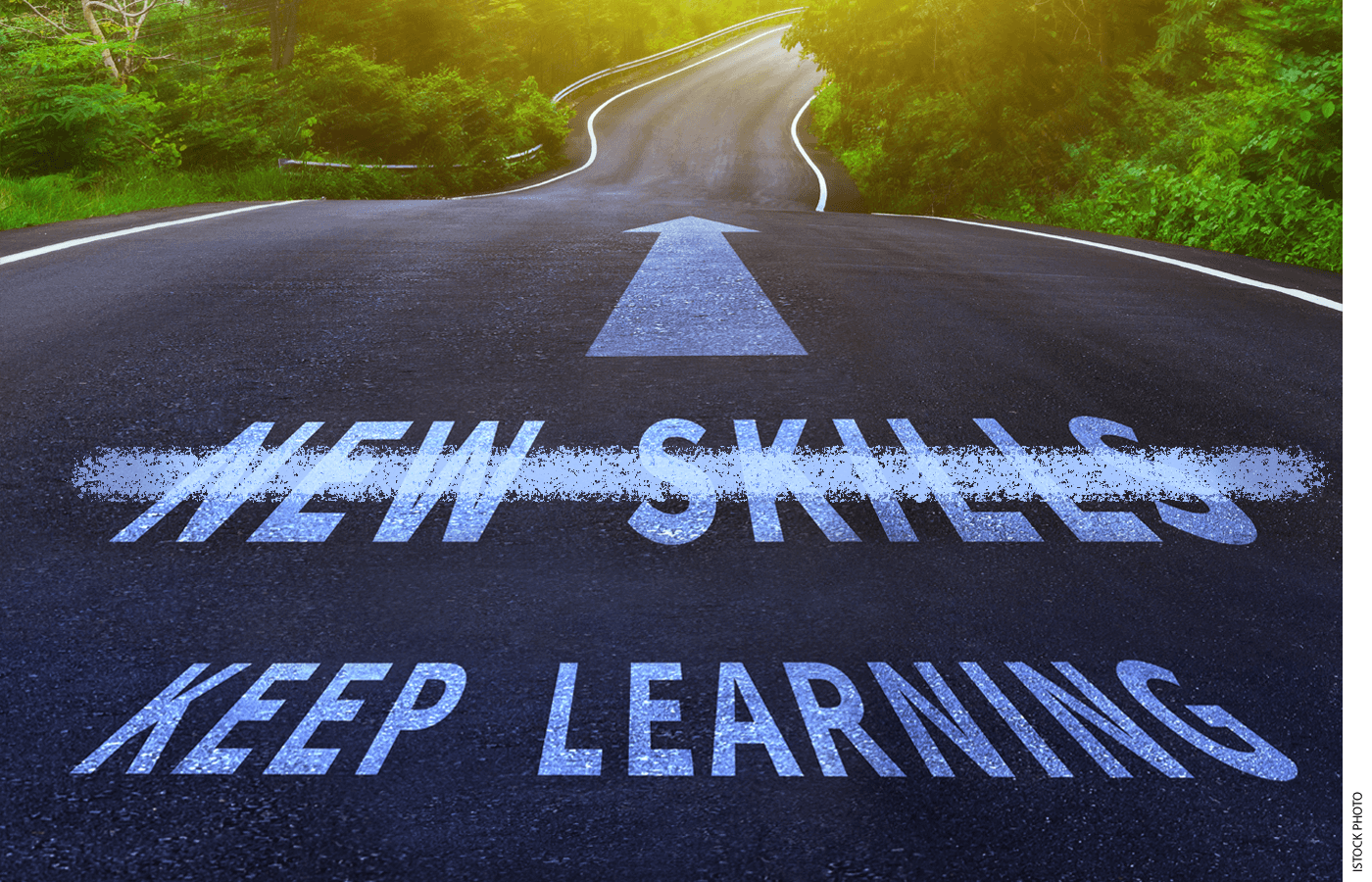
AI and Education: Why Core Knowledge Remains Paramount for Students
The advent of artificial intelligence has sparked widespread debate about the future of education.While many proclaim that AI fundamentally alters what students need to learn, a closer examination reveals that the core principles of a robust education remain as vital as ever.
This article explores why, despite technological advancements, a strong foundation in academic content is crucial for preparing students for an ever-evolving world.
1.
The Enduring Value of Foundational Knowledge
The narrative that artificial intelligence renders traditional academic subjects obsolete is a recurring theme, amplified by the current technological wave.
However, research suggests that this perspective overlooks a fundamental truth: skills are built upon a bedrock of knowledge.
Students cannot effectively analyze, synthesize, or innovate without a comprehensive understanding of the subjects that form the basis of human inquiry and achievement.
Many proponents of a skills-focused curriculum argue that readily available information through search engines and AI tools diminishes the need for students to memorize facts.
While it's true that information access has democratized, the ability to critically engage with that information, discern its validity, and apply it meaningfully is entirely dependent on prior learning.
What students learn today in subjects like literature, history, science, and mathematics provides the essential context and framework for understanding and utilizing AI effectively.
Why Content Matters More Than Ever
Consider the act of using AI to generate creative content, such as a song.
While AI can assist with lyrics and melody, a student who has studied literature will possess a deeper understanding of narrative structure, poetic devices, and emotional resonance.
Similarly, a student familiar with scientific principles can better evaluate AI-generated explanations or propose novel solutions to complex problems.
The "how to think" mantra, while important, is hollow without the "what to think about."
- Contextual Understanding: Academic content provides the necessary context for interpreting AI-generated outputs.
- Critical Evaluation: A strong knowledge base empowers students to identify inaccuracies and biases in AI responses.
- Informed Inquiry: Deep understanding allows students to ask more precise and insightful questions of AI tools.
- Creative Synthesis: Knowledge fuels the ability to combine information in novel ways, a key aspect of innovation.
2.
The Evolution of "Skills" in the Digital Age
The discussion around "21st-century skills" often emphasizes critical thinking, communication, collaboration, and creativity.
These are indeed invaluable attributes for any student.
However, the argument that these skills should replace academic content is flawed.
Instead, these skills should be seen as amplifiers of knowledge, honed through engagement with rich subject matter.
For decades, educational discourse has seen cycles of pronouncements about the obsolescence of traditional curricula in favor of newer, more "practical" skills.
Each technological leap – from the printing press to the internet – has brought similar calls to de-emphasize foundational knowledge.
Yet, history shows that students who possess a broad and deep understanding of core subjects are better equipped to adapt to changing technological landscapes and workforce demands.
Skills as Tools, Not Substitutes
The idea that students can learn "how to learn" by focusing on abstract skills without a subject matter to apply them to is a misdirection.
Learning how to learn is an outcome of rigorous engagement with challenging content.
For example, dissecting a complex historical event requires critical thinking, analyzing different perspectives (communication), working with peers to understand causality (collaboration), and formulating original interpretations (creativity).
These are not separate skills to be taught in isolation but are intrinsically woven into the fabric of academic study.
The skills lauded today are not new.
Books from decades past, focusing on interpersonal dynamics and effective thinking, addressed many of these same concepts.
The difference now is the context in which they are applied.
AI does not negate the need for these skills; rather, it provides a new arena for their application and demands a higher level of proficiency.
What students learn about the world through academic disciplines directly informs their ability to communicate effectively, solve problems creatively, and collaborate meaningfully.
3.
Preparing Students for an AI-Augmented Future
The question for educators is not whether AI will change the world, but how we should best prepare students to thrive within it.
The most effective approach involves providing a robust, content-rich education that equips students with the knowledge and critical faculties to navigate an increasingly complex information environment.
Instead of viewing AI as a reason to dilute academic rigor, we should see it as a powerful tool that, when wielded by a knowledgeable individual, can unlock unprecedented potential.
The ability to analyze AI's output, identify its limitations, and integrate its suggestions with existing knowledge is paramount.
This process requires a strong foundation in the very subjects that some argue are becoming irrelevant.
The Role of Mentofy in Knowledge Acquisition
Platforms like Mentofy are designed to provide students with access to high-quality educational content across a vast array of disciplines.
This commitment to knowledge acquisition is fundamental to preparing students for any future, including one heavily influenced by AI.
What students learn on platforms like Mentofy equips them with the essential building blocks for:
- Informed Decision-Making: Understanding various subjects allows students to make better choices in personal and professional life.
- Adaptability: A broad knowledge base makes it easier to acquire new skills and adapt to emerging technologies.
- Meaningful Contribution: Deep knowledge enables students to contribute original ideas and solutions to societal challenges.
- Lifelong Learning: A strong educational foundation fosters a genuine curiosity and a desire for continuous learning.
The argument that AI makes knowledge a "commodity" that is "free like air" overlooks the crucial element of understanding.
Knowing *where* to find information is only the first step; knowing *what to do with it* is where true value lies.
This is cultivated through dedicated learning and the acquisition of a broad spectrum of knowledge.
4.
The Timeless Importance of Core Academic Disciplines
The core academic disciplines – literature, history, mathematics, science, world languages, and the arts – have been the cornerstones of education for centuries.
Their enduring relevance lies in their ability to foster intellectual curiosity, develop analytical reasoning, and provide students with a comprehensive understanding of the human experience and the natural world.
When we teach students about historical events, scientific principles, or literary masterpieces, we are not merely imparting facts.
We are cultivating their ability to think critically, to empathize with different perspectives, and to appreciate the complexities of the world around them.
These are the very qualities that enable individuals to engage meaningfully with AI and to contribute positively to society.
What Students Should Learn: A Content-Rich Approach
The focus should remain on providing students with a rich and diverse curriculum.
This includes:
- Reading and Writing: Essential for communication and critical analysis.
- Mathematics: Develops logical reasoning and problem-solving skills.
- Science: Fosters an understanding of the natural world and the scientific method.
- History and Geography: Provides context for current events and an understanding of human societies.
- Literature and the Arts: Cultivates empathy, creativity, and an appreciation for diverse cultures.
- World Languages: Enhances communication and global understanding.
These subjects are not mutually exclusive from skill development.
In fact, they are the ideal environments for students to practice and master critical thinking, communication, collaboration, and creativity.
For example, analyzing a complex piece of literature requires deep critical thinking, discussing historical interpretations necessitates strong communication and collaboration, and creating an artistic work demands immense creativity.
Conclusion
The rise of artificial intelligence presents an opportunity to re-evaluate and enhance our educational approaches, not to abandon them.
While AI is a powerful tool that will undoubtedly reshape many aspects of our lives, it does not diminish the fundamental importance of a robust, content-rich education.
What students need to learn remains centered on acquiring a deep understanding of core academic disciplines, which in turn empowers them to develop the critical thinking, problem-solving, and creative skills necessary to thrive in any future, including one augmented by AI.
Mentofy is committed to providing the educational resources that empower students to build this essential knowledge foundation, ensuring they are well-prepared to analyze, innovate, and lead in the years to come.







 Explore AI Teaching Tools
Comments (0)
Please login to comment
No comments yet
Be the first to comment on this article