
School Vaccine Mandates: A Hidden Lifeline for Children's Health?
The annual end-of-year rush to pediatric clinics in Washington, D.C., is more than just a seasonal surge of common illnesses. For many children, this period marks a critical deadline: the date by which they must be up-to-date on school-required vaccinations or risk being excluded from the classroom. This seemingly administrative task, however, often serves as a vital, albeit indirect, pathway for essential health screenings and early diagnoses that might otherwise be missed.
The Unforeseen Benefits of Vaccination Deadlines
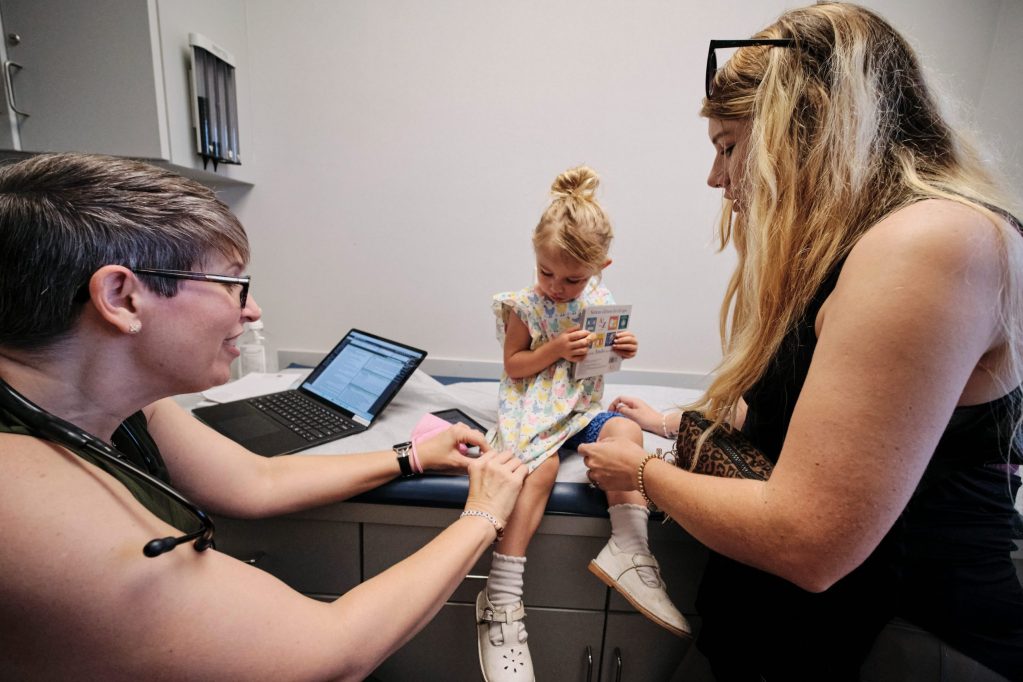
Pediatricians observe that for a significant number of families, the school's vaccination requirements are the primary catalyst for scheduling crucial medical appointments. This was starkly illustrated by a 12-year-old patient who, while overdue for essential vaccines like meningitis and tetanus, was also diagnosed with severe prediabetes on the cusp of becoming a full-blown disease. Her mother, juggling full-time work and multiple children, had not prioritized regular checkups until the school's vaccine notice prompted action.
Dr. Megan Prior, a pediatrician in the district, highlights this phenomenon: "Having vaccine mandates reminds parents to engage in their kids’ health." This connection between school attendance and routine medical care underscores a broader public health concern: the potential erosion of preventative health access as vaccine mandates face increasing scrutiny and legislative challenges across the state and nation.
States Rethink Vaccine Requirements: A Shifting Landscape
The landscape of childhood vaccination policies is undergoing a significant transformation. In the past year alone, at least ten states have introduced legislation aimed at making it easier for families to opt out of school-required vaccines. Examples include Iowa, which now mandates that school districts publicly disclose information regarding vaccine exemption processes, and Idaho, which has enacted a law prohibiting any form of mandatory medical intervention, most notably vaccines, in schools, daycares, and workplaces.
Further illustrating this trend, more than a dozen similar bills have been introduced in 2026. Lawmakers in states like Indiana and New Jersey are proposing systems to document and report "adverse events" related to childhood vaccines. In South Carolina, a proposed bill seeks to prohibit any vaccines from being mandated for children under the age of two, signaling a growing movement to relax or eliminate existing vaccine requirements for children.
The Data Speaks: Mandates Drive Higher Immunization Rates
Research consistently demonstrates a strong correlation between robust school and childcare vaccine mandates and higher immunization rates. Dr. Prior emphasizes the profound impact of these requirements, recalling a surge in HPV vaccination rates in Virginia after the state added the vaccine to its middle school entry requirements in 2008. Conversely, communities that have experienced recent measles outbreaks, such as Spartanburg, South Carolina, often exhibit uniformly low vaccination rates.
This evidence suggests that weakening these mandates could have significant public health repercussions, not only by potentially lowering vaccination coverage but also by reducing the frequency of essential health checkups for children. For many families, the school-mandated physical or vaccination appointment is the sole occasion they interact with the healthcare system for preventative care.
Beyond Shots: The Crucial Role of Wellness Visits
Physicians note that many children present for physicals and wellness checks specifically because school forms are due, regardless of their families' general stance on vaccines. These appointments are critical for young children, serving not only to maintain their overall health but also to facilitate the early detection of disabilities or developmental delays. The timing of these visits, often dictated by school entry requirements, can be pivotal for timely interventions.
For families who harbor skepticism or negative feelings towards vaccines, this distrust can create a significant barrier to accessing medical care. Many private clinics across the country are unable to serve unvaccinated children, and families with vaccine hesitancy may also extend their distrust to healthcare providers, seeking alternative, and sometimes less regulated, forms of care.
The Ripple Effect: Distrust and Disconnection from Healthcare
Pediatricians nationwide are witnessing a steady increase in vaccine refusers within their practices. They attribute this trend to a confluence of factors, including the proliferation of misinformation online, a heightened distrust of vaccines stemming from the COVID-19 pandemic, and the ongoing public discourse surrounding vaccine policies. This erosion of trust can sever the vital connection between families and established medical systems.
The implications of this disconnection are far-reaching. When families avoid routine medical checkups due to vaccine concerns, they miss opportunities for crucial screenings for conditions that can significantly impact a child's learning and development, such as uncontrolled asthma or hearing impairments. A 2018 study indicated that less than half of states mandate comprehensive health exams for children, underscoring the reliance on vaccination requirements for ensuring these vital touchpoints with healthcare providers.
Idaho's Bold Move: Dismantling Mandates
Idaho has taken a particularly aggressive stance in dismantling school vaccine mandates. A law enacted last spring prohibits employers, schools, and child care centers from requiring any vaccine. However, even before this law took effect, obtaining vaccine exemptions had become remarkably easy, often requiring little more than a signed statement of objection.
Dr. Tom Patterson, president of the Idaho chapter of the American Academy of Pediatrics, notes that while past efforts in the early 2000s aimed to tighten exemption requirements, including mandatory forms that explicitly mentioned potential risks, these stricter policies have gradually eroded. The subsequent relaxation of requirements, coupled with the pandemic, has led to a significant decline in childhood vaccination rates. Data from the CDC shows a drop in the percentage of kindergarteners receiving most required shots from nearly 90 percent in 2018 to below 80 percent by 2024, falling short of the approximately 95 percent immunization rate needed for herd immunity against highly contagious diseases like measles.
Florida's Legislative Push: Weakening Requirements
In Florida, Governor Ron DeSantis and the state's surgeon general have advocated for the elimination of school vaccination requirements. While the legislature is advancing a proposal that would weaken these requirements, it falls short of a complete ban, reflecting a complex interplay of public health concerns and parental rights advocacy.
The Rise of Exemptions: A Slippery Slope
Beyond outright bans, a more common strategy in states like New Hampshire, Texas, and West Virginia involves making it easier for families to obtain vaccine exemptions. New Hampshire, for instance, recently codified a Parental Bill of Rights that explicitly allows families to opt out of vaccinations based on religious beliefs. Dr. David Higgins, an assistant professor of pediatrics and public health, warns that "the easier it is to claim exemptions, the lower the vaccination rates."
A 2012 study found that when states permitted philosophical exemptions in addition to religious and medical ones, exemption rates more than doubled. In contrast, states like Maine, which permit only medical exemptions, maintain high statewide vaccination rates, around 97 percent. Longtime school nurse Patricia Endsley notes that strict policies leave little room for hesitancy, requiring families to either vaccinate or homeschool their children.
West Virginia's Shifting Policies: A Case Study
West Virginia, historically known for its strict school entry requirements despite lower early childhood vaccination rates, has served as a model for the effectiveness of such mandates in boosting kindergarten vaccination coverage. However, a 90-year-old law is now facing challenges. An executive order from Governor Patrick Morrisey last year called for the state to grant religious exemptions, and although this order has been paused pending legal review, hundreds of religious exemptions were reportedly granted in early 2025.
This shift is already having observable public health consequences. Physicians in West Virginia are beginning to see a resurgence of deadly diseases that were once nearly eradicated. Dr. Andrea Lauffer, a physician treating young children, recounts diagnosing a student with hepatitis B for the first time in her career and treating another child with suspected measles. The state also experienced a sharp increase in whooping cough cases in late 2025, raising concerns among healthcare professionals about the return of preventable illnesses.
The Unseen Value: Catching Other Health Issues
The case of the 12-year-old with prediabetes in Washington, D.C., underscores the critical, often overlooked, benefit of routine health visits prompted by vaccine requirements. Early diagnosis of conditions like diabetes can prevent severe complications, including kidney problems, circulatory issues, and blindness. Dr. Prior stresses the need for immediate lifestyle changes or medication to manage such conditions effectively.
Dr. Higgins concurs, noting that many families do not bring their children to the pediatrician regularly after the first year or two of life, only reappearing when school deadlines loom. These appointments are invaluable, providing opportunities to assess growth, nutrition, blood pressure, and screen for lead poisoning, chronic diseases, and developmental delays—services that might otherwise be missed.
The Growing Divide: Trust and Medical Care
While a significant majority of parents continue to choose vaccination for their children, the increasing legislative efforts to dismantle school mandates raise concerns about further preventable harm and illness. Dr. Higgins fears that such rollbacks will lead to more children suffering from vaccine-preventable diseases and from other untreated conditions due to a fractured connection with healthcare providers.
Dr. Prior also expresses concern about the time spent addressing vaccine-related questions, which detracts from discussions on other vital aspects of children's health, such as sleep optimization and managing picky eating. The current climate requires physicians to not only provide care but also to actively counter misinformation and defend established medical practices.
A Chasm of Distrust: Families and Medicine
In states like Idaho, physicians encounter not only reluctance but sometimes outright hostility from parents when discussing vaccines. This growing distrust has created what some fear is a lasting breach between many families and modern medical care, with profound implications for public health. Reports indicate a rise in private clinics refusing to accept unvaccinated patients, citing the need to protect vulnerable individuals in their waiting rooms.
While understanding the rationale behind such decisions, Dr. Higgins advocates for a more flexible approach, allowing clinics to build rapport and provide time for vaccine-skeptical caregivers to reconsider their stance. He believes that immediate dismissal can permanently close the door to a trusting relationship. In Idaho, where measles vaccination rates are significantly below herd immunity levels, physicians like Dr. Patterson continue to strive for connection and education, though the challenges are immense.
The erosion of trust is so profound that some physicians are contemplating shifting their practice focus entirely. The very families who once felt pressure to withdraw unvaccinated children from public school may now find that those most committed to vaccination, including healthcare professionals, are the ones considering alternative educational paths for their own children. The future of child health hinges on rebuilding these essential connections between families, schools, and the medical community.






 Explore AI Teaching Tools
Comments (0)
Please login to comment
No comments yet
Be the first to comment on this article