
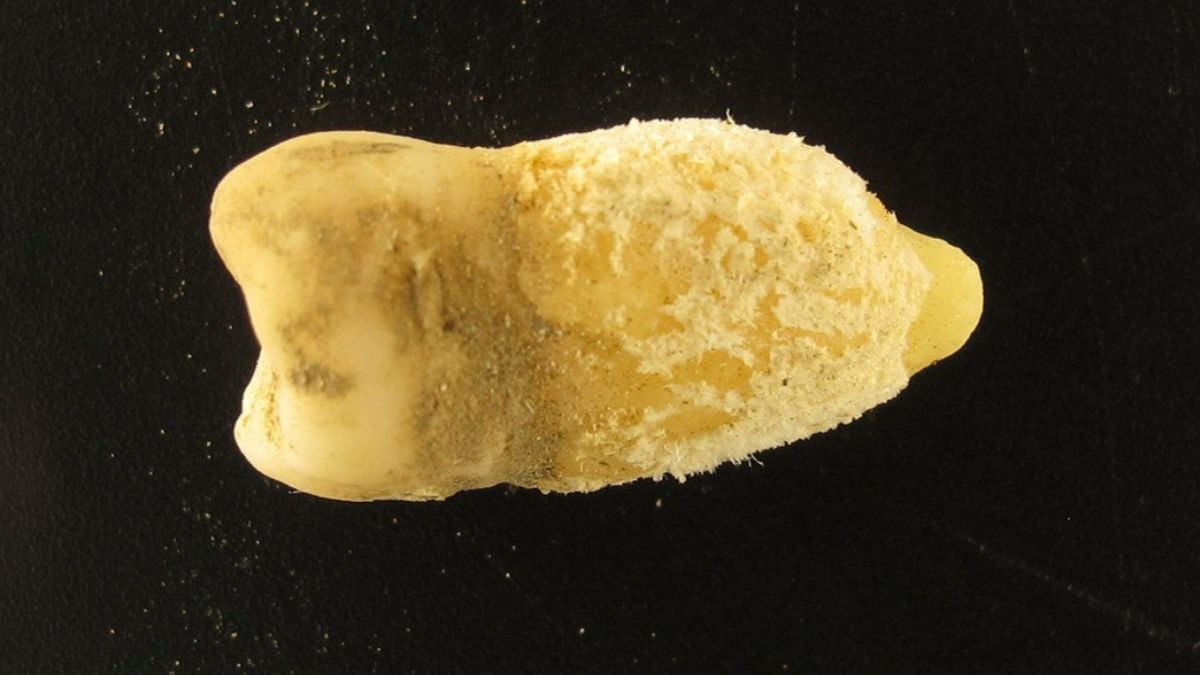
A single, ancient tooth, unearthed from the high Andes, is quietly revolutionizing our understanding of a devastating disease. This tiny biological artifact, belonging to a Bolivian mummy, offers startling new evidence that scarlet fever may have plagued humanity centuries before previously believed, forcing educators to consider how we frame historical pandemics and the often-unseen reach of infectious diseases.
The Unseen Footprint of Ancient Illnesses
For decades, the prevailing narrative placed the emergence of scarlet fever firmly in the 16th century, a grim companion to the Age of Exploration. This timeline, deeply embedded in textbooks and historical accounts, painted a picture of a disease that largely spared the pre-Columbian Americas.
However, recent paleomicrobiological analysis of this remarkable Bolivian mummy's tooth tells a dramatically different story. Scientists have identified genetic material consistent with *Streptococcus pyogenes*, the bacterium responsible for scarlet fever, dating back far earlier than current historical consensus allows.
"This finding is a seismic shift. It suggests that the bacterial strains responsible for scarlet fever were present and circulating in South America long before European contact."
This discovery challenges the established timeline, suggesting that another infectious disease, much like the narrative of diseases spreading long before Columbus, had a more ancient and widespread presence than we ever imagined. For educators, this means rewriting a chapter of medical history and engaging students with the complexities of scientific discovery.
Rewriting the History Books, One Tooth at a Time
The implications for education are profound. When core historical narratives are challenged by new scientific evidence, it presents a unique opportunity for deeper learning and critical thinking. Educators can leverage this discovery to illustrate the dynamic nature of scientific understanding and the importance of evidence-based inquiry.
Consider the ripple effect: if scarlet fever was present earlier, what other diseases might have been? What does this mean for our understanding of ancient populations, their health, and their societal structures? These are the questions that spark genuine curiosity in the classroom.
This isn't just about correcting a date; it's about understanding how scientific consensus evolves. It's a powerful lesson in the scientific method itself, demonstrating that even long-held beliefs can be overturned by rigorous investigation.
Engaging Students with Evolving Narratives
How can educators bring this complex scientific breakthrough into their classrooms in an engaging way? The key is to move beyond rote memorization and foster an environment of exploration and questioning. This discovery provides a perfect springboard for a variety of pedagogical approaches.
Unpacking the Science of Paleomicrobiology
Introduce students to the concept of paleomicrobiology – the study of ancient diseases through preserved biological remains. Explain how scientists can extract DNA from ancient samples, even from something as small as a mummy's tooth.
This can be a fantastic opportunity to integrate STEM concepts. Discuss DNA extraction, genetic sequencing, and the challenges of working with degraded samples. Tools like Mentofy AI teaching tools can help generate age-appropriate explanations and even simple simulations of DNA analysis.
Debating Historical Timelines
Facilitate classroom discussions or debates around the historical timeline of scarlet fever. Present the traditional view and then introduce the new evidence from the Bolivian mummy. Encourage students to weigh the evidence and form their own conclusions.
This is where the power of interactive learning comes in. Using MentofyCove classroom games like a live quiz or a trivia game focused on historical diseases can make learning these evolving facts fun and memorable.
Connecting to Modern Public Health
While the focus is on ancient history, the parallels to modern public health are undeniable. Discuss how understanding the historical spread of diseases like scarlet fever informs our strategies for combating current infectious outbreaks. The resilience and adaptability of bacteria, and humanity's ongoing struggle against them, remains a constant theme.
A striking statistic from a recent global health report highlights this continuity: "A 2024 World Health Organization projection indicates that infectious diseases will continue to be a leading cause of mortality worldwide, underscoring the enduring relevance of historical epidemiological studies."
Actionable Insights for the Modern Educator
This discovery offers concrete opportunities to enrich your teaching. Here are a few ways to integrate this evolving historical narrative:
- Revise Curriculum Snippets: Identify where scarlet fever or pre-Columbian disease transmission is discussed and consider adding a note about the evolving scientific understanding, referencing the Bolivian mummy evidence.
- Design Inquiry-Based Projects: Assign students research projects on the history of infectious diseases, encouraging them to look for evidence that challenges established timelines.
- Utilize Real-World Data: Share simplified versions of the scientific findings with older students, demonstrating how scientific papers and research are conducted.
- Incorporate Interactive Learning: Use platforms like Mentofy AI teaching tools to create engaging lesson plans or MentofyCove classroom games that test knowledge about historical pandemics.
- Foster Critical Thinking: Pose questions that encourage students to think about the limitations of historical records and the power of new scientific evidence.
The story of the Bolivian mummy's tooth is more than just a scientific footnote; it's a powerful reminder that our understanding of the past is never truly fixed. It's a testament to the ongoing process of discovery, urging us to remain curious, question assumptions, and embrace the ever-rewriting nature of history.







 Explore AI Teaching Tools
Comments (0)
Please login to comment
No comments yet
Be the first to comment on this article