
Navigating Wildfire Recovery: Essential Lessons for schools from Northern California's Resilience
The devastating impact of wildfires on educational institutions and their communities is a growing concern.When flames engulf homes and schools, the ripple effects extend far beyond the immediate physical destruction.
Drawing from the hard-won experiences of Northern California school districts, this guide offers critical insights and actionable strategies for educational leaders, particularly those in areas like Los Angeles County facing similar challenges.
We explore how to support students, staff, and families through the complex aftermath of natural disasters, ensuring continuity of learning and fostering a path toward recovery.
1.
Understanding the Multifaceted Impact of Wildfires on School Communities Wildfires present a unique and overwhelming challenge to schools, affecting individuals and the entire educational ecosystem in profound ways.
It's crucial to recognize that the devastation is not limited to those whose homes or school buildings are directly destroyed.
When a wildfire strikes, the immediate aftermath is often characterized by widespread displacement and trauma.
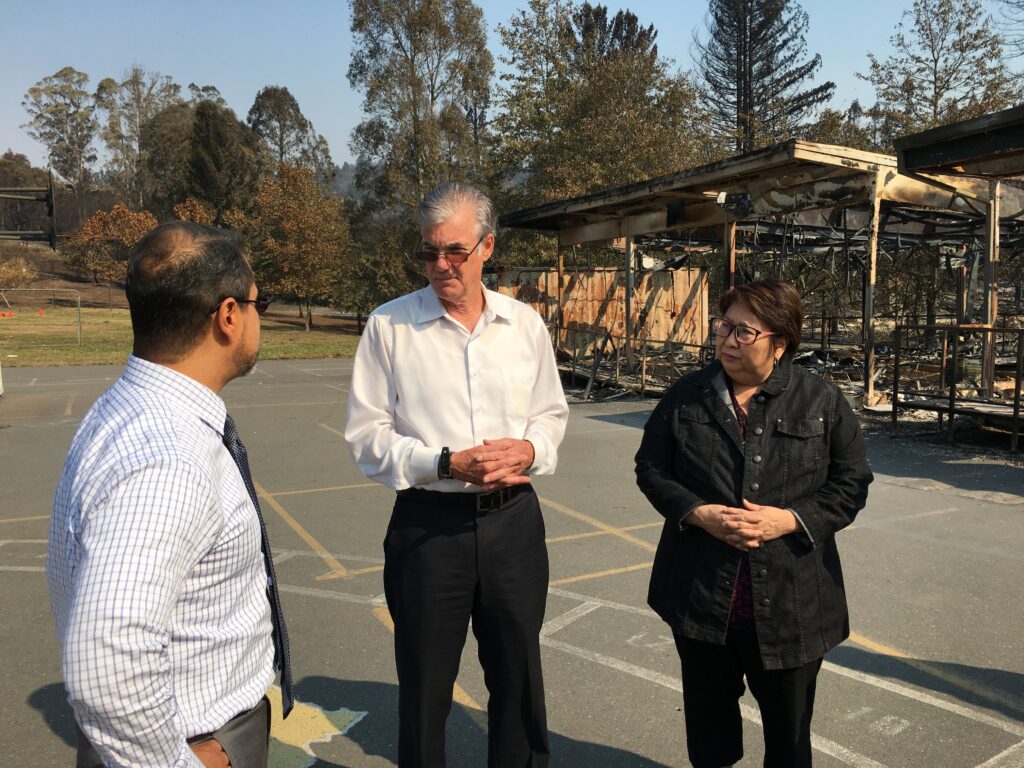
As Diann Kitamura, former superintendent of Santa Rosa City Schools, experienced during the 2017 Tubbs fire, the impact is far-reaching.
Even if a student's home remains intact, the destruction of a neighbor's or a staff member's residence can create significant emotional distress and disrupt the sense of community.
Conversely, if a student's home is lost, their school, a place of stability and routine, may also be damaged or inaccessible.
This dual impact underscores the need for a comprehensive approach to recovery that addresses both the physical and psychological needs of every member of the school community.
The scale of destruction can be immense.
In the Camp fire of 2018, the Butte County Office of Education, led by individuals like Meagan Meloy, faced the daunting task of supporting thousands of students who were suddenly rendered homeless.
This experience highlighted the critical need for immediate and sustained support systems.
The lessons learned from these catastrophic events offer invaluable guidance for school districts navigating similar crises, emphasizing that preparation and a deep commitment to students are paramount.
The Human Element: Beyond Physical Structures
The emotional toll on students and staff cannot be overstated.
Research indicates that experiencing a natural disaster can lead to a range of psychological responses, including anxiety, depression, and post-traumatic stress.
For students, the loss of familiar surroundings, friends, and routines can be deeply unsettling.
Similarly, educators and administrators, who are often part of the affected community themselves, face the dual challenge of supporting students while managing their own losses and trauma.
This underscores the importance of prioritizing mental health support and fostering a sense of safety and belonging.
2.
Immediate Response and Establishing Normality for Students In the wake of a wildfire, the immediate priority is ensuring the safety and well-being of all students and staff.
Beyond immediate safety, creating a sense of normalcy as quickly as possible is vital for emotional recovery and educational continuity.
Meagan Meloy emphasizes the importance of providing opportunities for the school community to gather, even if it cannot happen immediately.
When it is safe and feasible, facilitating social and emotional support networks can help individuals cope with the trauma.
The goal is to re-establish a semblance of routine and predictability, which are crucial for children and adolescents navigating stressful situations.
This might involve setting up temporary learning spaces, organizing community events, or simply ensuring that essential services like meals and transportation are available.
Leveraging Existing Support Systems for Displaced Families
Many students displaced by wildfires may qualify for resources typically allocated to students experiencing homelessness.
The McKinney-Vento Homeless Assistance Act provides a broad definition of homelessness, encompassing children and youth who are sharing housing due to loss of housing, economic hardship, or similar reasons; living in temporary accommodations like motels or campgrounds; residing in emergency shelters; or who are abandoned.
School districts often have established systems and liaisons in place to support this student population, addressing basic needs such as shelter, food, and transportation.
However, it's important to approach communication with sensitivity.
Meloy advises using terms like "displaced" or "temporary" rather than "homeless" when speaking with families who have never experienced such a situation before.
This can help reduce stigma and encourage families to access the support they need without feeling alienated.
The goal is to provide assistance discreetly and respectfully, ensuring that students can continue their education without undue hardship.
Addressing Gaps in Educational Funding for Displaced Students
While existing homelessness resources are valuable, schools and districts often face limitations in funding and its application for students displaced by fires.
For instance, funds may not be available for transportation assistance, a critical need for families struggling to maintain access to education.
In such cases, partnerships with local foundations and community organizations become essential.
These external sources can provide crucial support for needs that fall outside the scope of traditional educational funding, such as fuel for transportation or other immediate necessities.
3.
Strategic Planning for Long-Term Recovery and Support The recovery process following a wildfire is not a short-term endeavor; it is a long and often cyclical journey.
Effective planning and sustained support are crucial for helping students and their families navigate the challenges for months and even years to come.
The Role of Community Partnerships and Resource Management
Managing the influx of physical donations after a fire can be overwhelming for school staff.
While items like school supplies are beneficial, sorting through food and clothing often requires specialized systems.
Meloy suggests collaborating with partner agencies that have established storage and distribution networks for these items.
This allows school staff to remain focused on their core educational responsibilities, while ensuring that community donations are efficiently managed and distributed to those in need.
Public communication should also emphasize the most impactful forms of support, such as cash donations, which provide flexibility for families and aid in immediate recovery needs like food, shelter, and transportation.
Identifying and Addressing "Secondary Homelessness"
Wildfires can trigger a phenomenon known as "secondary homelessness." This occurs when families who were not directly impacted by the fire, but whose landlords or rental properties are affected, are forced to seek new housing.
This can ripple through the housing market, displacing renters and creating a secondary wave of housing instability.
School leaders must be aware of these indirect impacts and extend support to families who may not have lost their homes directly but are still facing housing insecurity due to the broader consequences of the disaster.
4.
Fostering Emotional Well-being and Trauma-Informed Education The psychological impact of wildfires on students and staff is a critical aspect of recovery that requires dedicated attention and resources.
Recognizing and addressing trauma is essential for creating a supportive learning environment.
Implementing Trauma-Informed Practices in Schools
As students begin to re-enroll in schools, the depth of their trauma becomes more apparent.
Meloy recommends implementing a system within the student information system to flag students affected by fires.
This allows school staff to identify these students for additional support over several years.
This proactive approach is particularly important when students' trauma responses are triggered by conditions similar to those that can spark fires, such as high winds, poor air quality, or smoke from distant fires.
These recurring environmental factors can re-traumatize students, exacerbating their distress.
It is vital for educators to understand that behaviors exhibited by students, such as acting out, withdrawal, or dissociation, are often trauma responses.
Meloy advises that staff be prepared to observe such behaviors and approach them with empathy and understanding.
A windy day, years after a fire, can be a difficult day at school for a student who experienced trauma.
Recognizing this connection is key to providing appropriate support.
Prioritizing Mental Health Support for Students and Staff
Providing access to mental health counseling is a cornerstone of wildfire recovery.
Kitamura's initiative to recruit counselors from across Northern California to support students in affected areas demonstrates a proactive approach to addressing this need.
This collaborative effort highlights the importance of sharing resources and expertise across districts.
Furthermore, it is crucial not to overlook the trauma experienced by school staff.
Educators working with traumatized students can themselves become overwhelmed.
Providing support and resources for staff well-being is equally important for maintaining a resilient and effective educational environment.
5.
Proactive Preparation and Long-Term Resilience Planning Beyond immediate response and recovery, schools must engage in proactive planning to build resilience against future wildfires and other potential crises.
This involves investing in infrastructure, securing funding, and fostering a culture of preparedness.
Investing in Infrastructure and Redundancy
Lessons learned from past events have led to strategic investments in infrastructure.
For instance, establishing redundant servers in separate locations ensures that communication systems remain operational even if primary servers are damaged or destroyed.
This redundancy is critical for maintaining communication with the school community during emergencies.
Such foresight can significantly mitigate disruptions and facilitate a more effective response.
Advocating for Dedicated Funding and Legislative Support
A significant challenge in wildfire recovery is the lack of dedicated, ongoing funding for the work of homeless liaisons and support for displaced students.
Both Kitamura and Meloy advocate for legislative action to provide consistent financial support for students affected by fires, recognizing that these events are no longer isolated incidents but recurring challenges across the state.
The need for specialized funding is paramount, as wildfires are increasingly impacting both rural and urban areas.
Dedicated resources can ensure that schools are better equipped to provide the necessary support for students and families in the long term.
Conclusion
The experiences of Northern California school districts in the face of devastating wildfires offer invaluable lessons for educational institutions everywhere.From understanding the multifaceted impact of these disasters to implementing immediate support systems and planning for long-term resilience, the journey is complex but navigable.
By prioritizing the physical and emotional well-being of students and staff, leveraging community partnerships, and advocating for sustained resources, schools can emerge from crises stronger and more prepared.
The commitment to learning from past challenges, as exemplified by leaders like Kitamura and Meloy, is essential for building educational communities that can withstand and recover from future adversities.





 Explore AI Teaching Tools
Comments (0)
Please login to comment
No comments yet
Be the first to comment on this article