
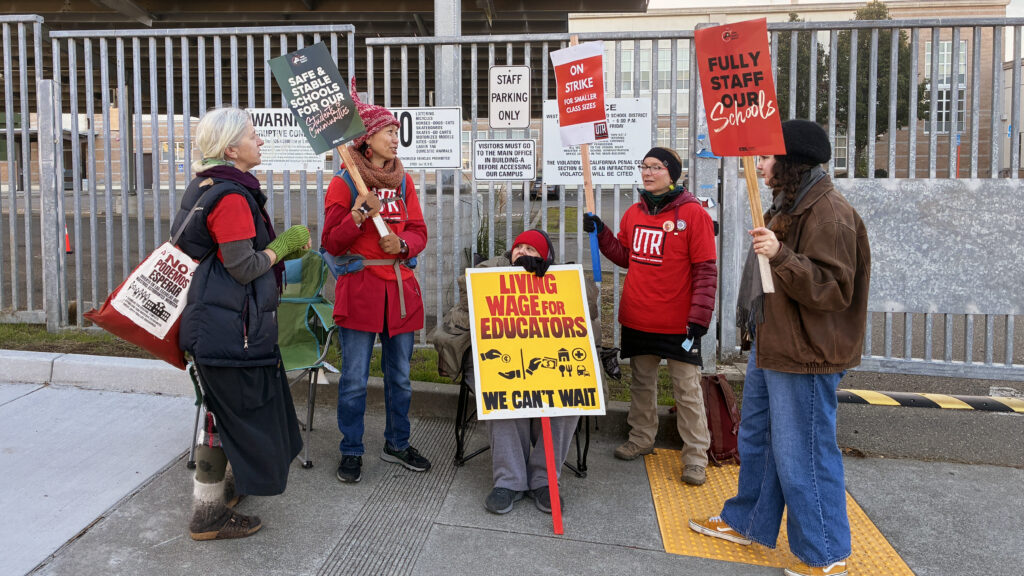
Navigating Educator Strikes: Ensuring Student Success in West Contra Costa Unified and Beyond
When educators step away from their classrooms, it signals a critical juncture for the entire school community.This article delves into the complexities surrounding teacher strikes, using the recent West Contra Costa Unified School District situation as a lens to explore the underlying issues, the impact on students, and the vital importance of finding resolutions that prioritize learning.
Understanding these dynamics is crucial for fostering a supportive and effective educational environment for all.
1.
The Roots of Educator Discontent: Why teachers Strike Educator strikes, while disruptive, stem from deeply held concerns about the sustainability and quality of the teaching profession.
In districts like West Contra Costa Unified, the decision to strike is often the culmination of prolonged negotiations and a feeling that essential needs are not being met.
Fair Compensation and Cost of Living
A primary driver for many teacher strikes is the demand for fair wages.
In high-cost-of-living areas, particularly in regions like the Bay Area, teacher salaries can fall significantly short of what is needed to live comfortably.
This disparity impacts not only the individual educators but also the district's ability to attract and retain qualified staff.
When teachers struggle to afford to live in the communities where they teach, it creates a cycle of instability that can negatively affect the consistency of education for students.
Teacher Retention and Support
Beyond base pay, educators often advocate for better support systems and policies that promote long-term retention.
This includes addressing issues such as manageable class sizes, adequate resources for special education students, and support for all staff, including those on specialized visas.
The goal is to create an environment where teachers feel valued, respected, and equipped to provide the best possible instruction.
A high turnover rate, often exacerbated by inadequate support, can lead to a lack of continuity and a diminished learning experience for students.
The Impact of Extended Negotiations
The process leading up to a strike can be lengthy and emotionally taxing.
When negotiations span many months, as seen in the West Contra Costa Unified district, it underscores the significant gap between the educators' demands and the district's offers.
This prolonged period of uncertainty can create anxiety for teachers, students, and families alike.
The ultimate decision to strike is a powerful statement that the issues at hand are too critical to postpone further.
2.
The Ripple Effect: How Strikes Impact Students and the District While the primary focus of a strike is often on the educators' demands, the consequences extend far beyond the picket line, directly affecting the students they serve and the operational capacity of the school district.
Ensuring Continuity of Learning
When teachers strike, the immediate concern is the disruption to student learning.
Districts often implement contingency plans, such as offering independent study programs or ensuring essential services like meal provision continue.
However, these measures cannot fully replicate the structured, in-person instruction and mentorship that qualified teachers provide.
The goal for all parties involved should be to minimize the duration of the strike to prevent significant academic setbacks for students.
The Role of District Leadership
District leadership plays a pivotal role in resolving strike situations.
Open communication, a willingness to engage in good-faith negotiations, and a clear understanding of the educators' concerns are paramount.
Acknowledging the contributions of employees and demonstrating a commitment to finding mutually agreeable solutions are essential steps.
The superintendent's statement in West Contra Costa Unified, expressing a desire for resolution, highlights the importance of this commitment, even amidst ongoing labor disputes.
Community Support and Solidarity
Teacher strikes often galvanize community support.
Parents, local unions, and concerned citizens may join educators on the picket lines, demonstrating solidarity and advocating for the needs of both teachers and students.
This broader support can put additional pressure on districts to reach a fair agreement.
The involvement of allied unions, such as the Teamsters in this instance, further amplifies the collective voice advocating for improved working conditions and fair compensation across various school support roles.
3.
Moving Forward: Strategies for Sustainable Educational Environments Resolving educator strikes requires a multifaceted approach focused on long-term sustainability and the well-being of the entire school ecosystem.
The lessons learned from situations like the West Contra Costa Unified strike can inform best practices for districts nationwide.
Prioritizing Collaborative Negotiation
Effective negotiation is not about winning or losing, but about finding common ground.
Districts and teacher unions must cultivate a collaborative spirit, where both sides actively listen to each other's concerns and work towards solutions that are financially responsible and educationally sound.
This involves transparency about budget constraints and a shared commitment to student success.
Investing in Educator Development and Retention
Beyond immediate contract negotiations, districts should focus on creating a supportive environment for educators.
This includes professional development opportunities, mentorship programs, and clear pathways for career advancement.
Investing in teachers is an investment in the future of students.
Addressing issues like the cost of living and providing adequate resources are critical components of a long-term retention strategy.
The Importance of Student-Centered Solutions
Ultimately, all decisions made during labor disputes must be viewed through the lens of what is best for students.
While educators fight for their rights and fair treatment, the ultimate goal is to ensure that students receive a high-quality education without interruption.
Finding swift and equitable resolutions is paramount to protecting the academic progress and overall well-being of every student in the district.
Conclusion
The challenges faced by educators in the West Contra Costa Unified School District highlight a critical ongoing conversation in education: how to ensure that teachers are fairly compensated, well-supported, and empowered to provide the best possible learning experiences for students.Strikes, while a last resort, serve as a powerful indicator of systemic issues that require urgent attention.
By fostering open communication, prioritizing collaborative negotiation, and investing in the well-being of educators, school districts can work towards sustainable solutions that benefit students, teachers, and the entire community, ensuring that the focus remains firmly on learning and growth.






 Explore AI Teaching Tools
Comments (0)
Please login to comment
No comments yet
Be the first to comment on this article