
Empowering educators: Navigating Staffing Challenges for Student Success
In the dynamic world of education, the dedication of teachers and support staff is the bedrock of student achievement.When budget constraints threaten the vital human resources within a school district, the entire community feels the impact.
This article explores the critical issues surrounding staffing cuts, the ripple effects on student support, and the collective efforts to advocate for a stable and thriving educational environment.
We will delve into the challenges faced by school boards, the voices of educators and parents, and the essential role of every individual in ensuring that students receive the comprehensive support they deserve.
The Unseen Impact of Staffing Reductions on Student Well-being
The decision to reduce staff within a school district, while often framed as a fiscal necessity, carries profound implications for the daily lives of students.When specialized roles, such as speech therapists or counselors, are diminished or eliminated, students who rely on these services can experience significant setbacks.
For a young learner struggling with a speech impediment, the absence of in-person, hands-on support can be particularly detrimental.
The shift to virtual interventions, while sometimes a necessary adaptation, may not provide the nuanced, individualized attention that many students require to overcome their challenges.
This can lead to increased frustration, a decline in confidence, and a feeling of being underserved.
The classroom teacher, often the first point of contact and a consistent presence, frequently bears the brunt of these gaps in support.
They witness firsthand the struggles of students who are not receiving the specialized assistance they need.
This places an immense burden on educators, who are already tasked with delivering a comprehensive curriculum and managing diverse classroom needs.
The sentiment that "it's awful" when a student isn't getting the help they require highlights the emotional toll these staffing cuts can take on dedicated professionals.
The core belief is that every child has a right to effective support, and their future well-being is intrinsically linked to the resources available to them within the school system.
The Vital Role of Specialized Support Staff
Specialized professionals, such as speech-language pathologists, school psychologists, and social workers, are not merely supplementary staff; they are integral to a holistic educational experience.These individuals possess the unique skills and training to address a wide spectrum of student needs, from academic difficulties and behavioral challenges to social-emotional development and communication disorders.
Their presence ensures that students receive targeted interventions that can prevent minor issues from escalating into significant obstacles.
When these roles are cut, the system's capacity to provide this essential, individualized care is severely compromised.
Navigating Fiscal Solvency: The Board's Dilemma and Community Response
School boards often find themselves in a precarious position, balancing the imperative of fiscal responsibility with the unwavering commitment to student welfare.When faced with declining enrollment, the expiration of vital funding streams, or increasing operational costs, districts may be compelled to implement budget reductions.
These decisions are rarely made lightly, and district officials often state that they strive to minimize the impact on students and staff.
However, the reality on the ground can paint a different picture, leading to significant community outcry.
The process of developing and approving fiscal solvency plans can be complex, involving multiyear projections and difficult choices.
When a board votes to approve significant budget cuts, it can trigger a strong reaction from educators, parents, and community members who believe these measures are detrimental to the educational mission.
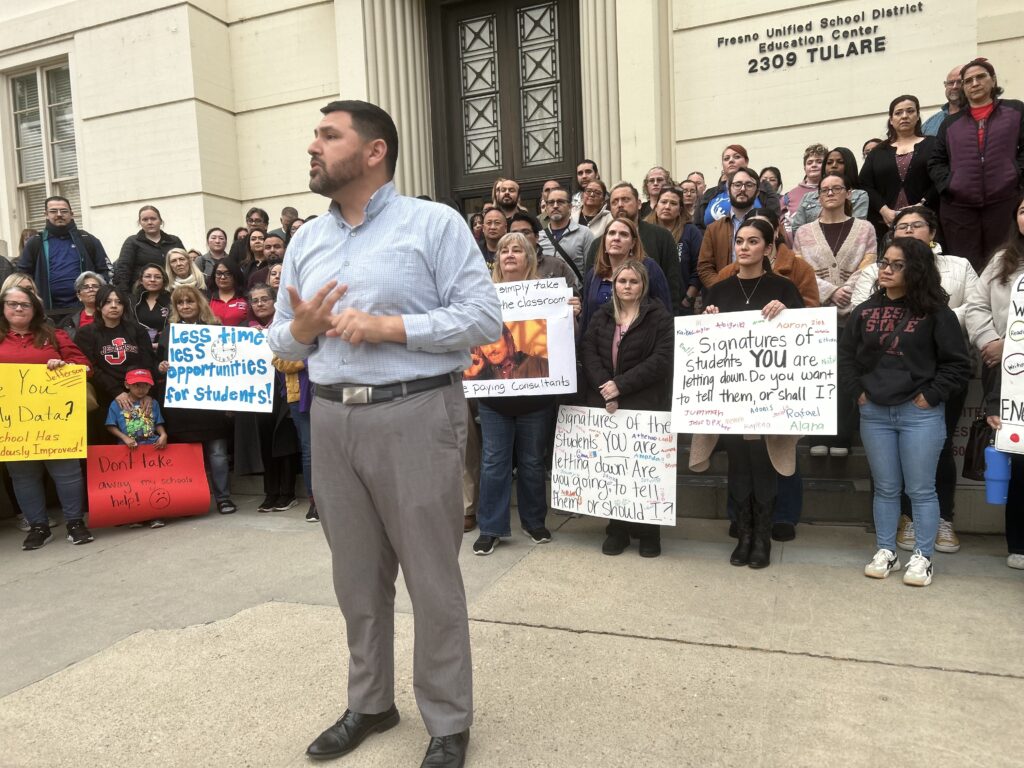
The act of protesting these decisions, whether through public comments at board meetings, wearing matching attire, or holding signs, signifies a deep-seated concern for the future of the school district.
The demand for a "revote" reflects a desire for reconsideration and a belief that alternative solutions can be found.
Understanding the Financial Pressures on School Districts
Several factors can contribute to the financial strain experienced by school districts.Declining student enrollment directly impacts per-pupil funding, a primary source of revenue for many districts.
The cessation of temporary funding sources, such as COVID-19 relief funds, can create immediate budget shortfalls.
Furthermore, the rising costs associated with mandated special education programs and unfunded state and federal mandates can place an additional burden on district budgets.
These complex financial realities often necessitate difficult decisions regarding resource allocation.
The Educator's Perspective: Vacancies, Overburdened Staff, and the Call for Investment
For teachers on the front lines, the impact of staffing cuts is often felt through an increase in vacancies and an overwhelming workload.When positions are eliminated or left unfilled, existing staff may be asked to cover additional classes or take on responsibilities outside their core expertise.
This can lead to a situation where teachers are constantly subbing, detracting from their ability to focus on curriculum development and student engagement.
The paradox of cutting teachers while simultaneously facing a shortage of educators is a point of contention and frustration for many.
The argument is often made that a district's fiscal solvency plan might be based on projections of fully staffed schools, which may not reflect the current reality of numerous vacant positions.
This discrepancy can create a cycle where cuts are deemed necessary because of budget shortfalls, even when those shortfalls are partly exacerbated by the costs associated with covering vacant roles through substitutes or contractors.
The union's perspective is that a fully staffed district would present a different financial picture, and that the current approach is creating an artificial crisis.
The Human Element: Beyond the Curriculum
Educators often describe their roles as extending far beyond academic instruction.They serve as mentors, counselors, and emotional anchors for their students, especially when social workers or other support staff are scarce.
This added responsibility, while undertaken with the best intentions, can be emotionally taxing and even dangerous when teachers are not equipped with the specialized training to address complex mental health or behavioral issues.
The call for investment in programs and staff that foster student growth and well-being, rather than solely focusing on reductions, is a powerful plea for a more proactive and supportive educational system.
Advocacy and Collective Action: Uniting for Educational Stability
The challenges faced by one school district are often mirrored in others, leading to broader movements for educational reform and support.When educators and community members unite, their collective voice can become a powerful force for change.
Statewide campaigns that bring together teachers from multiple districts can amplify demands for better pay, smaller class sizes, and increased mental health resources.
These initiatives demonstrate a shared commitment to improving the educational landscape for all students.
The act of rallying, holding signs, and chanting slogans during board meetings are all forms of peaceful protest aimed at drawing attention to critical issues and urging decision-makers to reconsider their actions.
The presence of union members, community leaders, and concerned parents underscores the widespread impact of staffing decisions.
This unified front sends a clear message that the community values its educators and is invested in the success of its students.
The Power of Collaboration: Finding Solutions Together
While budget constraints are a reality, the path forward often lies in collaborative problem-solving.Instead of solely concentrating on what to cut, there is a growing emphasis on identifying areas for investment and exploring innovative revenue generation strategies.
This includes focusing on initiatives that can increase student enrollment and daily attendance, as well as developing and expanding programs that attract and retain students.
A shift in focus from reduction to growth and improvement is seen as essential for the long-term sustainability of the school district.
Conclusion: Investing in Our Future Through Dedicated Educators
The narrative of staffing challenges in education is a complex one, involving difficult financial decisions, the dedication of passionate educators, and the profound impact on student learning and well-being.The experiences of communities like West Contra Costa highlight the critical importance of specialized support staff and the detrimental effects of their reduction.
It is evident that the strength of any school district lies in its people – the teachers, administrators, and support staff who work tirelessly to nurture the next generation.
By fostering open dialogue, prioritizing collaborative solutions, and advocating for the resources necessary to maintain robust staffing levels, we can ensure that every student receives the comprehensive education and support they need to thrive.
The commitment to investing in our educators is, in essence, an investment in our collective future.







 Explore AI Teaching Tools
Comments (0)
Please login to comment
No comments yet
Be the first to comment on this article