
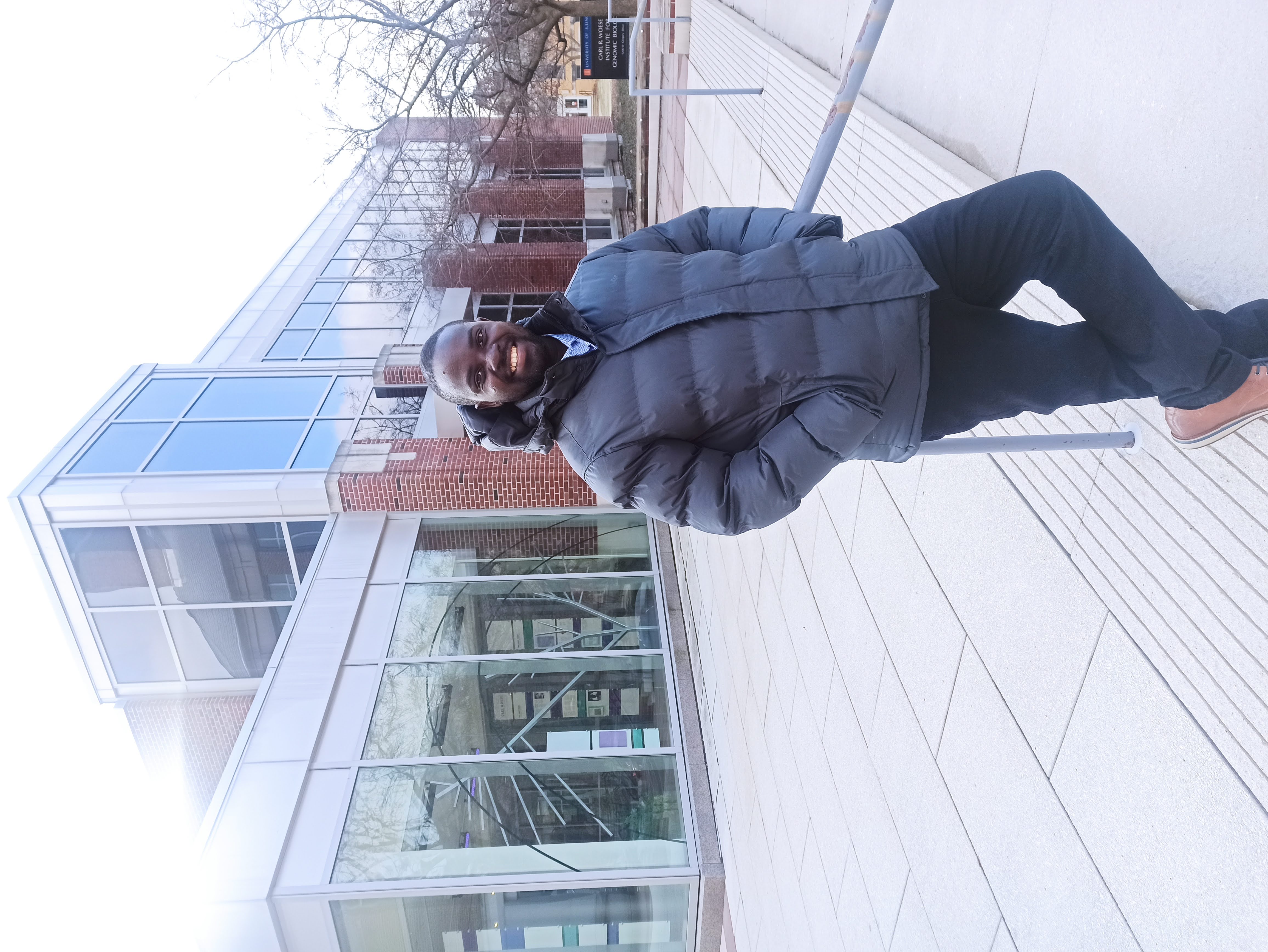
Beyond Borders: Unpacking the PhD in Community Health at Urbana-Champaign for Global Scholars
For international students contemplating a doctoral journey thousands of miles from home, the promise of research that resonates with their home communities is paramount. The Department of Health and Kinesiology at the University of Illinois Urbana-Champaign offers precisely this kind of impactful environment, nurturing scholars dedicated to advancing global health.
Forging a Path to Impact: The Community Health PhD
The University of Illinois Urbana-Champaign's Department of Health and Kinesiology provides a robust doctoral programme designed to equip students with the skills to tackle complex public health challenges. This programme delves into critical areas such as health behaviour theory, epidemiology, rehabilitation, human movement, and health policy.
Faculty within the College of Applied Health Sciences are actively engaged in cutting-edge research, operating specialized labs that push the boundaries of knowledge. This vibrant academic ecosystem fosters an environment where students can immerse themselves in meaningful inquiry.
We spoke with Babatope Ayokunle Ogunjesa, who journeyed from Lagos, Nigeria, to pursue his PhD in Community Health at Urbana-Champaign. His insights offer a firsthand account of the graduate student experience, particularly for those navigating international studies.
Ogunjesa, who brought a strong background in statistics and biostatistics to the programme, focused his doctoral research on older adults and their unpaid caregivers. He successfully completed his studies in 2025, a testament to his strategic approach to academic development.
His journey highlights the importance of identifying key faculty mentors early in the process, a strategy that shaped his entire doctoral experience. Ogunjesa's perspective provides invaluable guidance for prospective students considering this rigorous and rewarding programme.
Defining Your Research Trajectory: Pre-Admission Clarity
A clearly defined research topic can be beneficial, but the programme at Urbana-Champaign does not mandate a fully formed idea upon admission. The personal statement, a crucial component of the application, prompts applicants to identify a faculty member they wish to work with and articulate their suitability for that researcher's work.
This emphasis means that understanding your general research interests and aligning them with faculty expertise is more critical than having a precisely detailed dissertation proposal. This approach allows for flexibility and discovery during the initial stages of doctoral study.
Ogunjesa's specific interest in older adults and their unpaid caregivers naturally drew him to the Ageing and Diversity Lab, under the mentorship of Professor Andiara Schwingel. This alignment was a cornerstone of his successful application and subsequent research.
“I chose the Community Health track to gain a deeper understanding of the social and behavioural aspects of health,” Ogunjesa shared. This focus allowed him to explore the intricate factors influencing well-being within populations.
He further elaborated on the programme's appeal: “What really stood out was how well-rounded the curriculum was – it combined health behaviour theory and epidemiology with health policy, so I could analyse public health issues at both the community and systems level.” This integrated approach is a hallmark of the programme's commitment to comprehensive public health education.
Ogunjesa's passion for advancing public health and fostering tangible community impact was the driving force behind his decision to join the University of Illinois Urbana-Champaign programme. His commitment to making a difference is deeply embedded in his academic pursuits.
Cultivating a Supportive Ecosystem: The Departmental Community
The Department of Health and Kinesiology at Urbana-Champaign fosters a welcoming and supportive environment for all its students, including those from international backgrounds. This commitment to student success is evident from the outset.
The Graduate College provides a structured support system, assigning every PhD student a programme contact, a Director of Graduate Studies, and a faculty adviser. This multi-tiered approach ensures that students have multiple points of contact for guidance and assistance from day one.
Ogunjesa experienced this supportive structure firsthand when he began developing his dissertation ideas within the Ageing and Diversity Lab. The collaborative atmosphere proved instrumental in shaping his research direction.
“They were incredibly supportive and engaged – they took the time to give thoughtful feedback and help me think through my direction more clearly,” he recalled. This level of faculty investment underscores the department's dedication to student growth.
“That moment reflected the kind of environment HK creates, where people are genuinely invested in your growth and willing to support you,” Ogunjesa added. This sentiment highlights the strong sense of community and mutual encouragement that defines the department.
The Power of Diverse Perspectives: Enriching Learning
In a field intrinsically linked to the health of diverse populations, the diversity of the student body significantly enhances the learning experience. The Department of Health and Kinesiology at Urbana-Champaign actively draws students from a wide array of racial, cultural, and academic backgrounds.
These varied perspectives are not merely acknowledged but are actively integrated into classroom discussions and collaborative projects. This cross-pollination of ideas leads to a more nuanced understanding of complex health issues.
“In group projects and class discussions, people brought very different perspectives, especially regarding how health challenges are experienced across communities,” Ogunjesa observed. This exposure to varied viewpoints is crucial for developing a holistic approach to public health.
He further explained the impact of this diversity: “That pushed me to think beyond my own assumptions and approach problems more holistically.” This intellectual challenge is a hallmark of a truly enriching graduate education.
Ogunjesa was particularly drawn to the programme's emphasis on learning to assess population needs and engage in community-based research. These skills are essential for developing effective and culturally sensitive health interventions.
Navigating the Curriculum: A Deep Dive into Community Health
The PhD in Community Health at Urbana-Champaign offers a comprehensive curriculum designed to provide students with a multifaceted understanding of public health. The programme expertly weaves together health behaviour theory, epidemiology, and health policy, enabling students to analyze health issues from both micro and macro perspectives.
This dual focus allows scholars to understand individual behaviours while also grasping the systemic factors that influence population health outcomes. It prepares them to address challenges at multiple levels, from individual interventions to policy reform.
When asked about particularly impactful courses, Ogunjesa highlighted "Health Behaviour Theory" taught by Professor Sandraluz Lara-Cinisomo. This course provided him with a deeper insight into the myriad barriers that communities face in accessing essential health resources.
Another standout course for Ogunjesa was "Health Policy," guided by Dr. Minakshi Raj. This course illuminated how political decision-making processes directly shape health outcomes on a large scale. The inclusion of guest sessions featuring professionals from policy and health journalism added a vital layer of practical application and real-world context.
Accessible Expertise: Faculty Mentorship Beyond the Classroom
The faculty at the Department of Health and Kinesiology at Urbana-Champaign are highly approachable, maintaining an open-door policy and demonstrating flexibility in scheduling meetings. This accessibility is a critical component of effective mentorship and student support.
Ogunjesa found this level of faculty engagement to be a significant departure from his undergraduate experiences in Nigeria. The ease with which he could arrange meetings and receive timely feedback made a substantial difference in his academic progress.
“For example, during my time at Illinois, I was able to reschedule meetings when needed, and the faculty were very accommodating,” he stated. This flexibility fosters a more supportive and less stressful academic environment.
“That kind of accessibility made a big difference in terms of getting timely support and building strong mentoring relationships,” Ogunjesa emphasized. These strong relationships are foundational to a successful doctoral journey, providing both academic and personal guidance.
Bridging Continents: International Student Support Systems
The University of Illinois Urbana-Champaign is deeply committed to providing comprehensive support for its international student population. This commitment extends beyond initial orientation and encompasses ongoing assistance throughout their academic careers.
The International Student and Scholar Services (ISSS) office plays a pivotal role, working closely with academic departments to manage visa coordination for incoming students. This ensures a smooth transition for scholars arriving from abroad.
Furthermore, the programme has a demonstrated history of flexibility, particularly for international students facing travel restrictions or other unforeseen challenges. During the global pandemic, for instance, Urbana-Champaign allowed graduate students like Ogunjesa to commence their studies remotely before relocating to campus.
“I'd also say the mentorship was really valuable as the programme provided guidance not just academically but also on navigating the US job market,” Ogunjesa shared. This holistic support system addresses both academic and professional development needs.
“That combination of flexibility and support really helped me transition smoothly and stay on track,” he concluded. This integrated approach is crucial for fostering the success and well-being of international scholars.
Charting the Future: Post-Doctoral Pathways
The Department of Health and Kinesiology at Urbana-Champaign actively prepares its doctoral candidates for successful careers beyond academia. A key element of this preparation is the monthly graduate symposium, a platform where guest speakers share their research and career trajectories.
This symposium serves as a direct bridge from doctoral training to professional engagement in the field, offering students valuable insights into potential career paths and networking opportunities.
Ogunjesa's own trajectory exemplifies the programme's effectiveness. He secured a postdoctoral fellowship at the University of Chicago College of Medicine, Peoria, even before formally defending his dissertation, showcasing the strong foundation he had built.
“Overall, my training at HK prepared me with technical knowledge, critical thinking, and how to effectively communicate community health challenges during interviews,” Ogunjesa reflected. This comprehensive skill set is vital for navigating the competitive landscape of health research and practice.
The programme's emphasis on both rigorous academic training and practical application ensures that graduates are well-equipped to make significant contributions to community health initiatives both domestically and internationally.




 Explore AI Teaching Tools
Comments (0)
Please login to comment
No comments yet
Be the first to comment on this article