
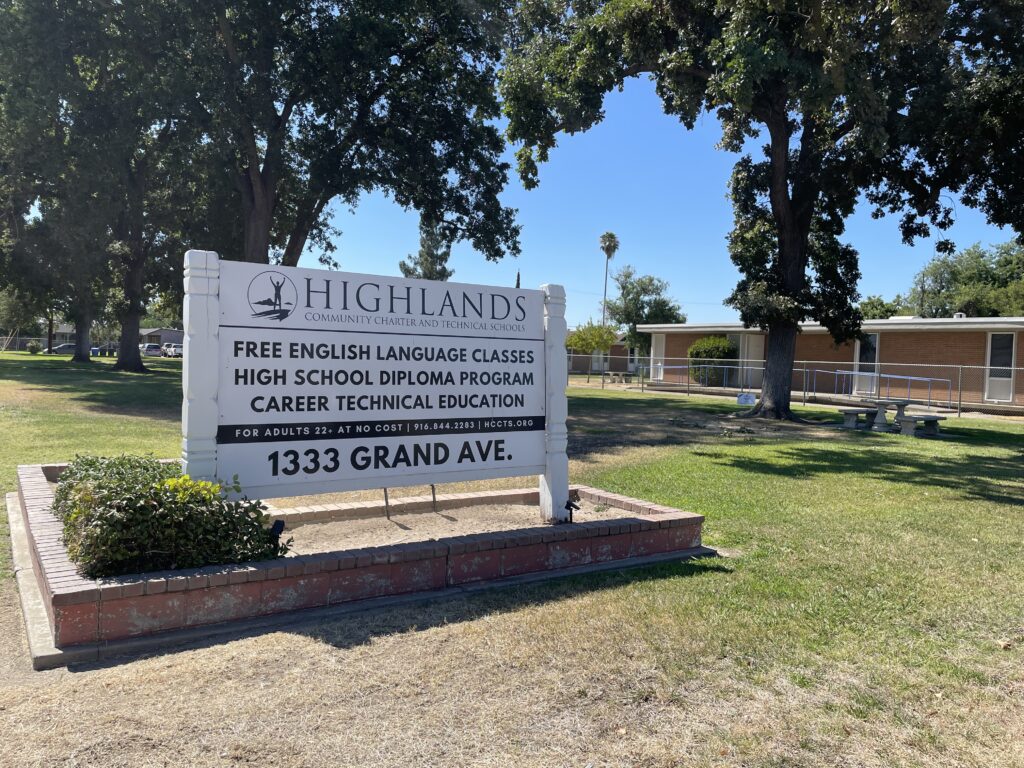
Navigating Charter School Oversight: Lessons from the Twin Rivers Unified and Highlands Case
In the dynamic landscape of education, charter schools offer innovative alternatives, but their autonomy necessitates robust oversight.Understanding the intricacies of charter school governance, accountability, and the potential pitfalls is crucial for educators, parents, and policymakers alike.
This article delves into a significant case involving Twin Rivers Unified School District and Highlands Community Charter and Technical Schools, offering valuable insights into the challenges of managing charter school operations and the importance of adherence to educational standards.
The Role of Authorizing Districts in Charter School Governance
School districts play a pivotal role as authorizers for charter schools within their jurisdiction.
This responsibility involves granting charters, monitoring their adherence to the agreed-upon terms, and ensuring they operate in the best interest of students and the broader educational community.
The relationship between an authorizer and a charter school is a partnership built on shared goals of providing quality education, but it also requires a commitment to accountability and transparency.
When a charter school is granted, it receives a charter document outlining its mission, educational program, operational procedures, and performance expectations.
The authorizing district is tasked with overseeing the school's compliance with these terms.
This oversight is not merely a bureaucratic formality; it is essential for safeguarding public funds, ensuring student safety and academic progress, and maintaining the integrity of the educational system.
Studies indicate that effective oversight is a key determinant of charter school success.
The Twin Rivers Unified School District, in its capacity as an authorizer, faced significant challenges in its oversight of Highlands Community Charter and Technical Schools.
The situation highlights the complexities that can arise when a charter school's operations deviate from its approved charter or when financial irregularities come to light.
The district's actions, and the subsequent scrutiny it faced, underscore the critical nature of diligent and proactive oversight in the charter school sector.
Examining the Allegations: Financial Irregularities and Operational Missteps
A comprehensive state audit brought to light serious concerns regarding the financial management and operational practices of Highlands Community Charter and Technical Schools.
The audit revealed that the school had received substantial K-12 funds to which it was not eligible, amounting to over $180 million.
This finding alone raised significant questions about the school's financial stewardship and its adherence to funding regulations.
Beyond the financial discrepancies, the audit also pointed to alarming trends in academic performance.
Graduation rates at the charter school were reportedly so low that they negatively impacted the state's overall graduation rate.
This suggests a potential disconnect between the school's stated mission and its actual educational outcomes for students.
Ensuring that all schools, including charter schools, are meeting their academic obligations is paramount for student success.
Further allegations detailed in the audit included instances of wasteful spending on non-essential items such as gifts and travel, as well as the hiring of unqualified individuals, including friends and family members, for key positions.
Additionally, a significant number of teachers reportedly lacked the appropriate credentials to teach K-12 classes.
These findings paint a picture of a charter school that may have prioritized personal gain or internal relationships over the educational needs and well-being of its students.
The Impact of Inadequate Oversight
The audit's findings also extended to the oversight mechanisms in place.
It suggested that not only the charter school itself but also the authorizing district, the county office of education, and the state department of education had failed to implement adequate oversight.
This points to a systemic issue where multiple layers of accountability may have been insufficient in preventing or addressing the reported problems.
Research indicates that a breakdown in oversight can create an environment where financial and operational issues can fester.
The implications of such inadequate oversight are far-reaching.
It can lead to the misuse of public funds, compromise the quality of education provided to students, and erode public trust in the charter school model.
For students who rely on these schools for their education, particularly those from vulnerable populations, the consequences can be particularly severe.
The Charter Revision Appeal and Board Decisions
In response to the mounting scrutiny and identified violations, Highlands Community Charter and Technical Schools sought to revise its charter.
The proposed revisions aimed to address issues such as unauthorized expansion of operations and to modify school locations.
The school's leadership believed these changes would help streamline operations, potentially save funds, and bring the school into compliance with district regulations.
Specifically, the school proposed modifying its charter to include a new list of school sites and to expand its grade offerings to include 11th grade, alongside its existing adult education programs.
The intention was to create a more comprehensive educational offering and to rectify past operational missteps.
The proposed sites were primarily located within Sacramento County, with one site in Yolo County.
The Twin Rivers Unified Board's Stance
The Twin Rivers Unified School District board's decision regarding the charter revision appeal provided a significant indication of its future intentions.
The board voted against allowing Highlands to revise its charters to modify its locations and operational structure.
This decision, which went against the recommendations of Twin Rivers Unified staff, signaled a firm stance against the proposed changes and suggested a potential move towards more stringent measures.
The board's denial of the revision appeal meant that Highlands would have to operate under its already approved list of school sites.
While the school was not required to reopen previously unused sites, the denial of the proposed changes limited its flexibility in addressing operational challenges and potentially improving its financial standing.
This outcome underscored the board's concern with the school's past conduct and its commitment to upholding the terms of the original charter.
The Looming Decision: Charter Revocation and Future Options
The board's vote on the charter revision appeal directly preceded a more critical decision: whether to revoke the charter of Highlands Community Charter and Technical Schools entirely.
This potential revocation represented the most significant consequence for the school and its students, stemming from the findings of the state audit and the ongoing concerns about its operations.
If the Twin Rivers Unified board were to vote to revoke the charter, the school would not be without recourse.
School leaders would have the option to appeal this decision to the Sacramento County Office of Education.
Alternatively, they could petition the county office to take over as the authorizer of the charter.
These avenues represent potential pathways for the school to continue its operations, albeit under potentially different oversight structures.
The Importance of Educational Integrity
The case of Highlands Community Charter and Technical Schools, as reviewed by the Twin Rivers Unified board, serves as a critical reminder of the importance of maintaining high standards in all educational institutions, including charter schools.
The core mission of any school is to provide a safe, effective, and equitable learning environment for all students.
When allegations of financial mismanagement, academic underperformance, or operational impropriety arise, they must be addressed with seriousness and a commitment to accountability.
For communities that rely on charter schools, particularly those serving underserved populations such as immigrants and refugees, the continuity of educational services is paramount.
However, this continuity must not come at the expense of educational integrity and responsible fiscal management.
The challenge lies in balancing the innovative spirit of charter schools with the fundamental need for accountability and adherence to educational best practices.
The ongoing dialogue surrounding charter school oversight, exemplified by this case, contributes to the broader conversation about how to best support and regulate these institutions.
It highlights the need for clear guidelines, robust auditing processes, and responsive authorizing bodies that can effectively ensure that charter schools are fulfilling their promises to students and the public.
The lessons learned from such situations can inform policy and practice, ultimately strengthening the educational landscape for all.
Conclusion
The situation involving Twin Rivers Unified School District and Highlands Community Charter and Technical Schools underscores the complex interplay between charter school autonomy and the necessity of stringent oversight.
The allegations of financial impropriety, operational missteps, and academic underperformance brought to light by a state audit presented significant challenges for the authorizing district.
The Twin Rivers Unified board's decision to deny the charter revision appeal signaled a commitment to accountability, setting the stage for a crucial vote on the school's future.
This case serves as a vital educational resource, illustrating the critical importance of financial transparency, academic rigor, and effective governance in all educational settings, particularly within the charter school framework.
Understanding these dynamics is essential for fostering a robust and trustworthy educational system for every learner.







 Explore AI Teaching Tools
Comments (0)
Please login to comment
No comments yet
Be the first to comment on this article