
The Dawn of Universal Pre-Kindergarten: Unlocking Potential for Every Child
The early years of a child's life are a period of explosive growth and foundational learning.Recognizing this critical window, educational systems worldwide are increasingly focusing on robust early childhood education programs.
This article delves into the transformative impact of universal pre-kindergarten initiatives, exploring how they are designed to equip young learners with the essential skills and experiences needed for lifelong academic success, and what this means for families and educators.
1.
The Crucial Foundation: Why Early Learning Matters Research consistently shows that a significant portion of brain development occurs before a child even enters traditional kindergarten.
This period is paramount for shaping cognitive abilities, social-emotional skills, and a lifelong love for learning.
Children who engage in high-quality early learning experiences are demonstrably more likely to thrive academically, exhibiting better performance in later school years and a reduced likelihood of needing to repeat a grade or dropping out.
These early experiences lay the groundwork for future educational attainment, with payoffs that extend throughout a person's life.
The Science Behind Early Development
Studies indicate that the architecture of the brain is built rapidly in the first few years of life.
Experiences during this time have a profound and lasting influence on a child's capacity for learning, problem-solving, and emotional regulation.
When children are exposed to stimulating environments that foster curiosity and exploration, they develop stronger neural connections, which are essential for all subsequent learning.
Bridging the Achievement Gap
For many children, particularly those from disadvantaged backgrounds, access to quality early education can be a powerful equalizer.
Universal pre-kindergarten programs aim to provide all children, regardless of their socioeconomic status, with the opportunity to develop essential pre-academic skills.
This early intervention is seen as a key strategy for closing persistent achievement gaps that can emerge before children even start formal schooling.
2.
Introducing Transitional Kindergarten: A Stepping Stone to Success Transitional Kindergarten (TK) represents a vital bridge between early childhood programs and the traditional kindergarten experience.
Initially designed for children who narrowly missed the kindergarten cutoff date, TK has evolved into a comprehensive program aimed at providing all four-year-olds with a rich, age-appropriate learning environment.
This program is not merely a daycare; it is a structured educational setting that focuses on developing foundational literacy, numeracy, and social skills.
What Makes TK Unique?
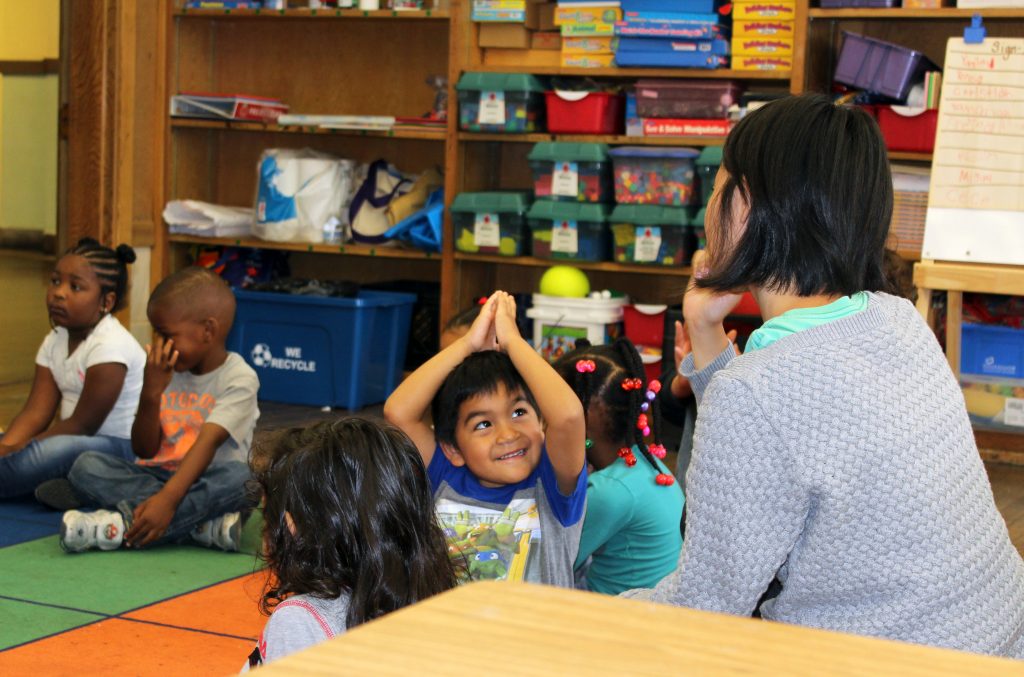
TK classrooms are specifically designed to cater to the developmental needs of four-year-olds.
They often feature smaller class sizes and a curriculum that emphasizes play-based learning, exploration, and hands-on activities.
The goal is to foster a joyful and engaging learning experience that builds confidence and enthusiasm for school.
teachers in these programs are typically credentialed and possess specialized training in early childhood education, ensuring that the instruction is both effective and nurturing.
The Benefits for Young Learners
Children who participate in TK programs often demonstrate significant gains in areas such as:
- Early literacy skills, including letter recognition and phonological awareness.
- Foundational math concepts, such as number sense and simple counting.
- Social and emotional development, including cooperation, sharing, and self-regulation.
- Fine and gross motor skills through various engaging activities.
- Problem-solving abilities and critical thinking.
These skills are crucial for a smooth transition into kindergarten and for overall academic success.
The positive experiences children have in TK can foster a lifelong positive attitude towards education.
3.
Building a Quality TK Program: Key Considerations The success of any early childhood education initiative hinges on its quality.
For TK programs, several factors are paramount to ensuring they deliver on their promise of preparing children for future academic endeavors.
These include appropriate class sizes, well-trained educators, and suitable learning environments.
The Impact of Class Size and Ratios
Research strongly suggests that smaller child-to-staff ratios are critical for effective early learning.
When teachers have fewer children in their care, they can provide more individualized attention, observe each child's progress more closely, and respond to their specific needs.
This personalized approach is essential for fostering deep learning and ensuring that every child feels supported and engaged.
A lower ratio allows for more meaningful interactions and a more responsive learning environment.
The Role of Qualified Educators
The expertise and dedication of early childhood educators are at the heart of high-quality TK programs.
Teachers need to possess a strong understanding of child development, effective pedagogical strategies for young learners, and the ability to create a stimulating and nurturing classroom atmosphere.
Continuous professional development and specialized training are vital to ensure that educators are equipped with the latest knowledge and best practices in the field.
These dedicated professionals are instrumental in shaping young minds.
Creating Conducive Learning Environments
The physical space where learning takes place also plays a significant role.
TK classrooms should be designed to be safe, engaging, and stimulating, with age-appropriate furniture, learning materials, and opportunities for both structured and free play.
Access to outdoor spaces for physical activity and exploration is also highly beneficial.
Ensuring that facilities are adequately equipped, from learning resources to comfortable rest areas, is a key component of a successful program.
4.
Addressing the Challenges: Ensuring Equitable Access and Quality While the vision of universal pre-kindergarten is inspiring, its implementation presents several challenges that need careful consideration and strategic planning.
These include ensuring an adequate supply of qualified teachers, providing suitable facilities, and maintaining high standards of instruction across all programs.
The Teacher Shortage in Early Childhood Education
One of the most significant hurdles is the need for a substantial increase in the number of qualified early childhood educators.
Many regions face a shortage of teachers with the specialized credentials and experience required for TK programs.
This necessitates robust recruitment and retention strategies, including competitive compensation, streamlined pathways for professional development, and recognition of the vital role these educators play.
Finding and keeping talented teachers is essential for program sustainability.
Facility and Resource Constraints
Many existing school facilities were not originally designed to accommodate younger learners.
School districts often face the challenge of finding adequate space for TK classrooms and equipping them with the necessary resources, such as child-sized furniture, learning materials, and safe play areas.
Creative solutions and dedicated funding are often required to overcome these infrastructure limitations and ensure that all children have access to appropriate learning environments.
Maintaining High Standards of Instruction
As TK programs expand, it is crucial to ensure that quality remains a top priority.
This involves establishing clear benchmarks for curriculum, teaching practices, and student outcomes.
Ongoing monitoring, evaluation, and support for educators are essential to foster continuous improvement and ensure that all children are receiving the high-quality education they deserve.
A commitment to excellence benefits every child.
5.
The Future of Early Learning: A Global Perspective The movement towards universal pre-kindergarten is gaining momentum globally, reflecting a growing understanding of its profound impact on individual lives and societal progress.
As more countries and regions invest in early childhood education, they are not only addressing immediate educational needs but also building a stronger foundation for future generations.
The Long-Term Payoffs of Early Investment
Investing in early childhood education is not just an expenditure; it is a strategic investment with significant long-term returns.
Studies consistently show that children who benefit from quality early learning programs are more likely to achieve higher educational attainment, secure better employment, and contribute more fully to society.
These programs can lead to reduced crime rates, improved public health outcomes, and a more skilled workforce, creating a positive ripple effect for years to come.
Mentofy's Commitment to Early Childhood Education
At Mentofy, we are dedicated to supporting the global learning community by providing access to high-quality educational resources and professional development opportunities.
We understand the critical importance of early childhood education and are committed to empowering educators and learners with the tools and knowledge they need to succeed.
Our platform offers a wealth of resources designed to enhance teaching practices and foster a love for learning from the earliest stages.
Conclusion
The expansion of universal pre-kindergarten initiatives marks a significant step forward in ensuring that every child has the opportunity to develop to their fullest potential.By focusing on foundational learning, qualified educators, and supportive environments, these programs are poised to transform educational trajectories and build a brighter future.
The commitment to early learning is an investment in the individual success of each child and the collective well-being of our communities.
The journey from kindergarten and beyond is made stronger with a solid start.






 Explore AI Teaching Tools
Comments (0)
Please login to comment
No comments yet
Be the first to comment on this article