
Boosting Native Student Success: Innovative School Partnerships in Oklahoma
Discover how dedicated educators and tribal communities in Oklahoma are forging powerful alliances to ensure every student, particularly Native youth, thrives in school.
This article explores the groundbreaking strategies being implemented to overcome historical barriers and foster a supportive learning environment for all students.
The Foundation of Attendance: Addressing Root Causes for Native Students
For many Native American students across the nation, consistent school attendance presents a significant challenge.
This isn't a matter of choice, but often a complex interplay of historical trauma, socioeconomic factors, and a disconnect between educational institutions and the unique cultural needs of these young learners.
In Watonga, Oklahoma, a proactive approach is redefining what it means to support Native students, beginning with the fundamental act of ensuring they are present and engaged in their education.
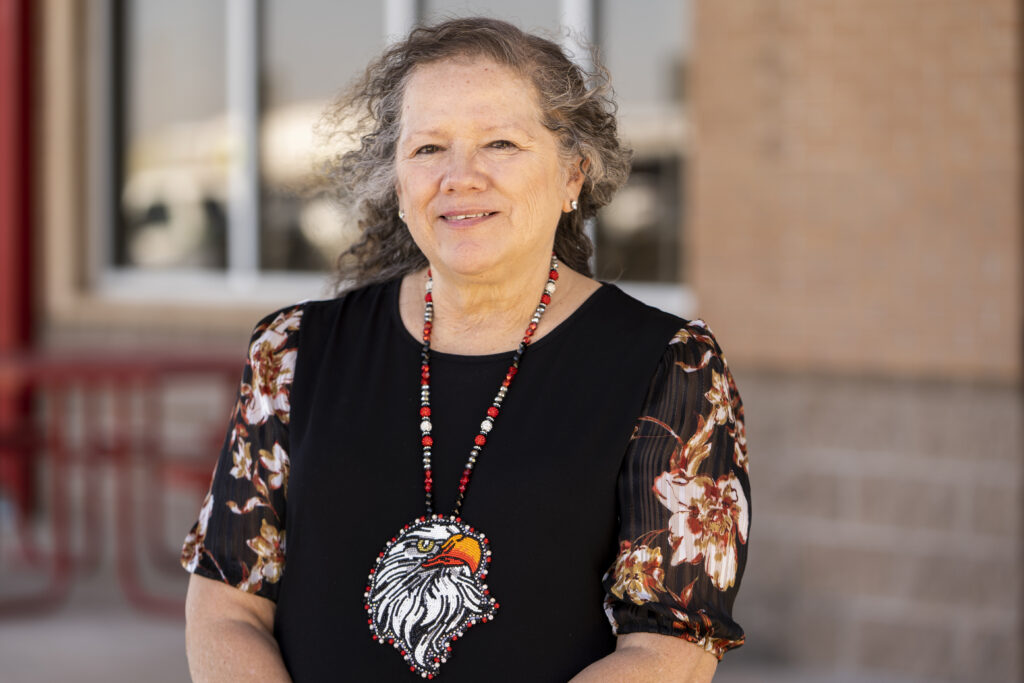
Hollie Youngbear, the Indian Education Director for the Watonga school system, embodies this commitment.
Her role extends far beyond administrative duties; it's about building bridges and providing essential resources.
Youngbear understands that a student's ability to attend school is directly linked to their basic needs being met.
This involves ensuring students have adequate clothing and school supplies, crucial elements that can be overlooked but are vital for a student's confidence and readiness to learn.
Furthermore, Youngbear acts as a vital connector, linking Native students and their families with invaluable federal and tribal resources.
These connections are not merely transactional; they are about empowering families and acknowledging the rich support systems available within their own communities.
When a student misses school, the response is immediate and compassionate.
Youngbear and her colleagues don't hesitate to personally reach out, sometimes even driving to pick up students, demonstrating a profound dedication to overcoming any obstacle that prevents a young person from accessing their education.
Generational Cycles and Healing: Reclaiming Educational Futures
The challenges faced by Native students in attending school are deeply rooted in history.
Research indicates that a cyclical pattern of absenteeism can be traced back to the devastating legacy of U.S. government boarding schools, which inflicted immense trauma on generations of Native children.
This historical context is crucial for understanding present-day struggles.
As Hollie Youngbear, a member of the Arapaho tribe with a deep connection to the Cheyenne and Arapaho languages, explains, "If grandma didn’t go to school, and her grandma didn’t, and her mother didn’t, it can create a generational cycle."
This generational impact highlights the importance of culturally sensitive approaches within educational settings.
Simply expecting attendance without acknowledging and addressing these historical wounds is insufficient.
The work in Watonga, Oklahoma, is characterized by a deep respect for this history and a commitment to creating an environment where Native students feel seen, understood, and valued.
This involves fostering relationships with families in a way that honors their heritage and addresses their specific needs.
The binders in Youngbear's office, filled with records of every Native student, are more than just data; they represent individual journeys and potential.
By meticulously tracking student progress and understanding the unique circumstances of each young person, educators can intervene effectively.
The goal is not just to increase attendance numbers but to foster a genuine love for learning and a sense of belonging within the school community.
This holistic approach is essential for breaking the cycle and empowering future generations.
Tribal Partnerships: A Collaborative Approach to Student Success
A cornerstone of the success observed in Watonga, Oklahoma, is the robust collaboration between the school district and various Cheyenne and Arapaho programs.
These partnerships are not merely supplementary; they are integral to the educational strategy, providing targeted support that addresses the multifaceted needs of Native students.
These initiatives demonstrate a powerful model of how tribal sovereignty and educational institutions can work hand-in-hand.
One key program focuses on alleviating the financial burdens that can hinder a student's ability to participate fully in school.
By assisting with school expenses, this initiative removes a significant barrier for many families.
Beyond financial aid, the program actively promotes conferences and events designed specifically for tribal youth.
These gatherings serve multiple purposes: they provide opportunities for networking and mentorship, foster cultural pride, and offer engaging educational experiences that are relevant to their heritage.
Another vital component of this collaborative effort involves regular, direct engagement with high school students.
Monthly meetings, often held during lunch hours, create a safe and informal space for students to connect with mentors and peers.
These sessions are designed to address critical issues facing young people today, including the prevention of underage drinking and drug use.
By providing a supportive environment for open dialogue and offering guidance, these meetings equip students with the tools and resilience needed to navigate challenging situations and make healthy choices.
Oklahoma is home to 38 federally recognized tribes, each with the potential to contribute to the educational landscape.
The support emanating from these tribal entities is a powerful force multiplier for student success.
Studies indicate that when schools actively engage with and leverage the resources of local tribes, the positive impact on student outcomes is significant.
This collaborative spirit is not just about improving attendance; it's about fostering a comprehensive ecosystem of support that nurtures the whole student.
Data-Driven Insights: Oklahoma's Leadership in Native Student Attendance
The commitment to supporting Native students in Oklahoma is yielding measurable results, positioning the state as a leader in addressing chronic absenteeism among this demographic.
Data collected for the 2022-2023 school year reveals a compelling trend: Oklahoma was the only state among those with available data where Native students missed school at rates lower than the state average.
This statistic is a testament to the effectiveness of the innovative strategies being employed.
At Watonga High School specifically, the impact of these initiatives is clearly visible.
In the 2022-2023 academic year, fewer than 4% of Native students were considered chronically absent.
This figure aligns remarkably with the overall school average, a stark contrast to national trends where Native students often experience higher rates of absenteeism.
Chronically absent students, defined as those missing 10% or more of the school year for any reason, face significant academic disadvantages and an increased risk of dropping out.
The success at Watonga demonstrates that these risks can be mitigated through targeted interventions and a supportive school environment.
The student population at Watonga schools, situated on the Cheyenne-Arapaho reservation, is approximately 14% Native American.
While the school's physical appearance may resemble many other rural Oklahoma institutions, with Bible verses adorning hallways, a closer look reveals a commitment to inclusivity and cultural recognition.
The classroom dedicated to Eagle Academy, the school's alternative education program, is adorned with student-made Native art, a visual representation of the program's focus on embracing and celebrating Native identity.
This alternative education program serves students who are struggling with their grades or attendance.
The majority of students enrolled in Eagle Academy are Native American, highlighting the program's critical role in providing tailored support.
The approach within Eagle Academy is not punitive; it's about re-engagement and building confidence.
Students are motivated through incentives, such as rewarding consistent attendance with opportunities for field trips.
This positive reinforcement strategy has proven effective in encouraging students to prioritize their education.
Eagle Academy: A Sanctuary for Learning and Growth
The Eagle Academy at Watonga High School stands as a beacon of hope and a testament to the power of personalized education for Native students.
This alternative program is designed to catch students who might otherwise fall through the cracks, offering them a second chance to succeed academically and personally.
The success stories emerging from Eagle Academy underscore the importance of creating learning environments that are both supportive and culturally affirming.
Carrie Compton, the director of alternative education, shares inspiring accounts of students who have transformed their academic trajectories within Eagle Academy.
She recounts the story of a Native student who had accumulated 38 days of absence in a single semester.
After spending a period in the Eagle Academy during his second year of high school, this student not only improved his attendance dramatically but also went on to graduate.
Compton attributes this turnaround to the student feeling a genuine connection to his education and experiencing a sense of accomplishment.
Compton emphasizes that the key to this success lies in making learning relevant and engaging. "He had perfect attendance for the first time ever, and it’s because he felt like he was getting something from school," she states.
This sentiment highlights a fundamental truth: students are more likely to attend and engage when they feel their education has value and purpose.
The Eagle Academy fosters this by providing individualized attention and adapting teaching methods to meet the unique learning styles of its students.
The commitment of educators like Compton and Youngbear extends beyond the classroom walls.
When students are absent, they are not simply marked as truant; they are sought out.
Compton recalls a time when she would personally pick up five students every morning because they lacked transportation. "So at 7 o'clock in the morning, I just start my little route, and make my circle, and once they get into the habit of it, they would come to school," she explains.
This level of dedication demonstrates a profound understanding that overcoming attendance barriers often requires direct, hands-on intervention and consistent support.
Cultivating Belonging: Addressing Bullying and Fostering Inclusivity
While the efforts to boost attendance and academic success for Native students are commendable, the journey toward true inclusivity involves addressing deeper societal issues, such as bullying and the need for a stronger sense of belonging.
The experiences of Native students within the broader school environment can sometimes be challenging, and acknowledging these difficulties is crucial for creating a truly equitable educational system.
Nationwide, Native students have sometimes been disproportionately placed in alternative education programs, which can inadvertently lead to further segregation.
However, the embrace and support offered by teachers like Carrie Compton within Eagle Academy create a distinctly different experience.
Her dedication to making Native students feel welcomed and understood sets a positive tone that can counteract negative experiences elsewhere in the school.
A common complaint heard from Native students in Compton's classroom is, "The teachers just don’t like me," indicating a perceived lack of acceptance from some educators.
Bullying of Native students by their non-Native peers is also a significant concern.
Happy Belle Shortman, a senior at Watonga High School and a member of the Kiowa, Cheyenne, and Arapaho tribes, shares her perspective.
She notes that Cheyenne students have faced teasing related to their traditional ceremonies and powwow music.
Shortman observes, "People here, they’re not very open, and they do have their opinions." This highlights a cultural divide where a lack of understanding can lead to prejudice and exclusion.
Shortman further elaborates on the impact of socioeconomic factors, suggesting that poverty can contribute to bullying. "If you’re not in the latest trends, then you’re kind of just outcasted," she says.
This points to the need for schools to address not only cultural differences but also socioeconomic disparities that can create divisions among students.
Creating an environment where all students feel valued, regardless of their background or material possessions, is paramount.
The staff at Watonga schools credit their success in maintaining low absenteeism rates to the dedicated work of building strong relationships with their students.
Dallas Pettigrew, director of the University of Oklahoma’s Center for Tribal Social Work and a member of the Cherokee Nation, emphasizes the importance of proactive efforts from non-Native faculty.
He states, "Native students are never going to feel really welcomed unless the non-Native faculty go out of their way to make sure that those Native students feel welcomed." This underscores the critical role of empathy, cultural competency, and intentional outreach from all members of the school community to foster a truly inclusive and supportive environment for every student.
Conclusion
The innovative partnerships between schools and Native tribes in Oklahoma, exemplified by the work in Watonga, offer a powerful model for enhancing educational outcomes for all students.
By addressing historical trauma, providing essential resources, fostering strong tribal collaborations, and cultivating an inclusive school culture, educators are demonstrating that significant progress is achievable.
The success in reducing chronic absenteeism among Native students is not just a statistic; it represents countless young lives being empowered to reach their full potential, ensuring a brighter future for both individuals and their communities.







 Explore AI Teaching Tools
Comments (0)
Please login to comment
No comments yet
Be the first to comment on this article