

Federal Aid Revolution: Millions in Grants Unlocked for Job Training, But Awareness Lagging
In a surprising twist for American higher education, a landmark expansion of federal financial aid is poised to unlock hundreds of millions of dollars for job training programs, yet a vast majority of eligible individuals remain unaware of the opportunity. This seismic shift in federal scholarship funding, the most significant in over fifty years, promises to make post-secondary education virtually free for many, but a critical awareness gap and logistical hurdles threaten to limit its immediate impact.
A New Era for Pell Grants: Beyond the Traditional Degree
For decades, federal Pell Grants have been a cornerstone of financial assistance for low-income students pursuing associate and bachelor's degrees. Now, a groundbreaking policy, informally dubbed "Workforce Pell," is dramatically broadening the scope of this vital federal aid.
Bridging the Skills Gap with Targeted Training
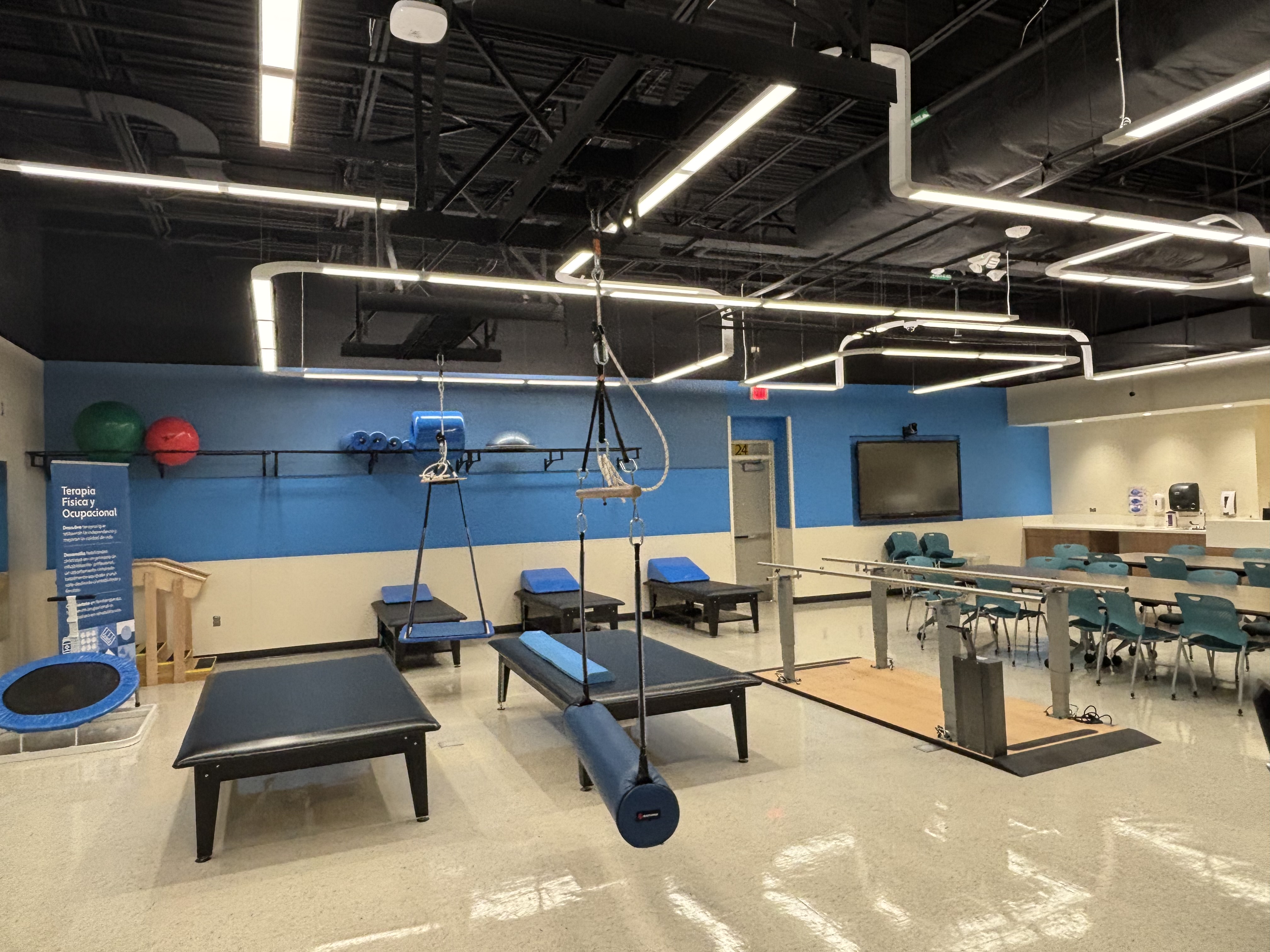
The core of this expansion lies in its recognition of the value of nondegree programs. Previously, Pell Grants were largely restricted to traditional degree pathways. Workforce Pell, however, now covers intensive, short-term job training programs, some as brief as eight weeks, designed to equip individuals with critical skills for in-demand careers.
- Nursing
- Phlebotomy
- Child care
- Truck driving
- Welding
- Automotive repair
- HVAC
This strategic pivot comes at a time when public sentiment regarding the value of a four-year degree is wavering. A significant percentage of Americans now question whether the traditional college path is worth the escalating costs. Workforce Pell offers a compelling alternative, providing a direct route to upward mobility and well-paying jobs without the commitment of a lengthy degree program.
The July 1st Deadline: A Race Against Time
The new provisions officially take effect on July 20th, but states and educational institutions are permitted to begin implementing them as early as July 1st. This accelerated timeline has created a sense of urgency, with many states still grappling with the complex requirements for program eligibility.
Navigating a Labyrinth of Regulations
The sheer volume of new regulations presents a significant challenge. The U.S. Department of Education has outlined stringent criteria that programs must meet to qualify for federal funding. These include rigorous standards for student completion rates and post-graduation employment and salary benchmarks.
To be eligible, at least 70 percent of learners must successfully graduate from a program and secure employment within six months that offers a salary commensurate with the training's cost. These benchmarks are designed to ensure that federal funds are directed towards high-quality programs that demonstrably lead to successful career outcomes.
The National Governors Association has advised states to initially approve only a select number of the most robust and proven programs. This cautious approach is a pragmatic response to the complexity of verifying program compliance across a vast educational landscape.
Early Projections: A Slow Start for a Major Initiative
Experts anticipate that the initial rollout of Workforce Pell will be modest. While tens of thousands of nondegree programs exist nationwide, only a few hundred are expected to meet the stringent eligibility requirements at the outset. This is a stark contrast to the potential for as many as 28,000 programs to eventually qualify, according to federal estimates.
The Department of Education projects that between 184,000 and 188,000 students will benefit from Workforce Pell annually. However, the Congressional Budget Office offers a more conservative estimate, anticipating closer to 100,000 recipients. This still represents a significant infusion of federal support for individuals who previously lacked access to Pell Grants for short-term training.
The average award for these nondegree programs is expected to be around $2,200, providing crucial financial assistance for certificates, occupational licenses, and other credentials that can significantly enhance earning potential.
The Awareness Deficit: Millions Uninformed About Lifeline Aid
Perhaps the most significant hurdle to the widespread success of Workforce Pell is the profound lack of awareness among the very individuals it aims to serve. Many potential beneficiaries, particularly working adults seeking to upskill, are unaware of the availability of this federal funding.
Focus Groups Reveal a Knowledge Gap
Institutions like Forsyth Technical Community College and Alamo Colleges District are actively developing marketing strategies to bridge this gap. Their efforts involve creating clear, accessible messaging that avoids jargon and directly addresses the needs of their target audience. These institutions recognize that many individuals seeking short-term training do not identify as traditional "students" but rather as working adults with families looking for the fastest path to career advancement.
Focus group research highlights that many individuals perceive themselves as needing to upskill quickly rather than pursue a prolonged educational journey. The average age of individuals enrolled in nondegree courses is 38, underscoring the need for outreach that resonates with experienced workers.
Advisors Unprepared to Guide Students
The challenge extends to educational counselors and career advisors. A recent survey found that fewer than one in ten advisors feel highly confident in their ability to explain Workforce Pell-eligible programs. This indicates a critical need for professional development and resources to equip these crucial intermediaries with the knowledge to guide students effectively.
The lack of widespread understanding is a primary concern for state legislatures, who are tasked with disseminating information and facilitating access to these new federal programs. Without robust communication strategies, a substantial portion of the intended beneficiaries may miss out on this transformative opportunity.
Data Challenges and the Risk of Exploitation
The success of Workforce Pell hinges on accurate data regarding program outcomes. However, many states have historically lacked the infrastructure to collect and analyze comprehensive data on job placement rates and salary increases for nondegree programs.
The Data Divide: Incomplete and Fragmented Information
At least a quarter of states do not regularly collect this essential data. Where it does exist, it is often fragmented across different agencies, incomplete, and may exclude individuals who are self-employed or work in government or military sectors, as these are not typically captured by unemployment insurance systems.
This data deficit raises concerns about potential exploitation. Without reliable outcome data, there is a risk that some nondegree programs, particularly those with a history of predatory practices, could attract students under false pretenses, leveraging the influx of federal dollars without delivering promised career benefits.
Historical Precedents of Program Abuse
Past experiences with short-term, nondegree programs have sometimes been characterized by high student churn and questionable outcomes. Advocates fear that the sudden availability of federal funding could re-ignite these issues if not carefully monitored and regulated.
The sheer volume of credentialing programs in the United States, numbering nearly 1.9 million offered by over 134,000 providers, makes navigating the landscape even more complex. Distinguishing between high-value programs and those with limited return on investment is a critical challenge for both students and policymakers.
Industry Pushback and the Promise of Quality Programs
The implementation of Workforce Pell has not been without its critics. A significant portion of the objections during the public comment period came from providers of programs that are unlikely to meet the new eligibility criteria, particularly in fields like cosmetology, where an estimated 93 percent of programs may not qualify.
Conversely, institutions with programs poised to meet the rigorous standards are expressing enthusiasm for the potential of this federal investment. They see Workforce Pell as a powerful tool to expand access to high-quality education and training that directly addresses workforce needs.
The opportunity presented by Workforce Pell is immense, offering a pathway to economic advancement for millions. However, the success of this ambitious federal initiative will depend on a concerted effort to raise awareness, streamline implementation, and ensure robust oversight to protect students and uphold the integrity of the education system.





 Explore AI Teaching Tools
Comments (0)
Please login to comment
No comments yet
Be the first to comment on this article