
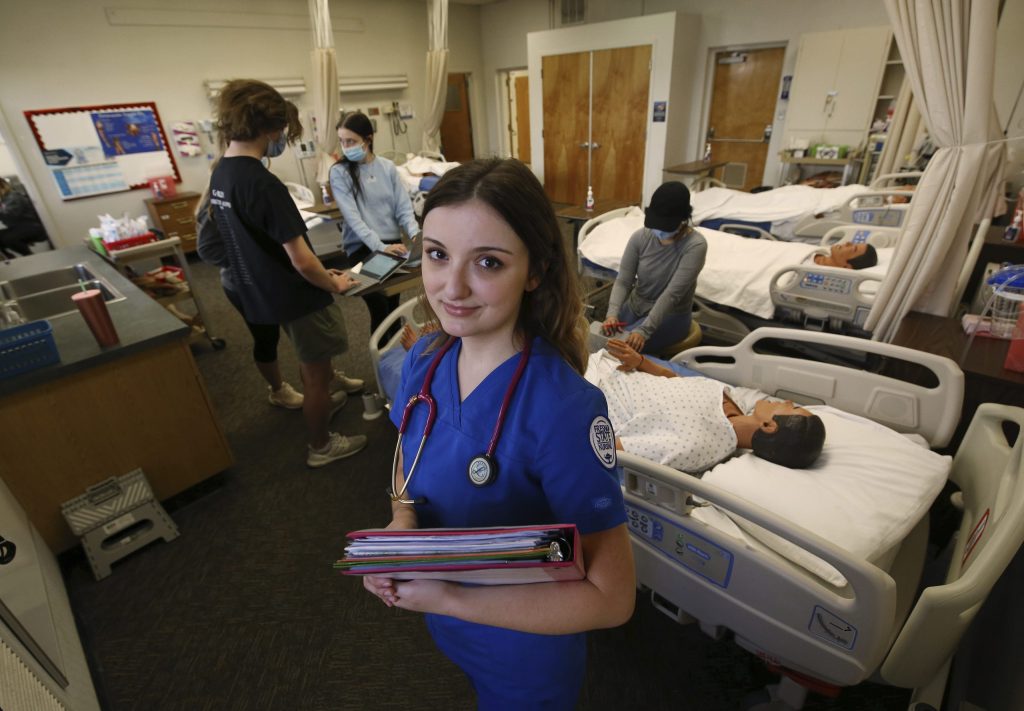
Unlocking Student Potential: Cultivating Resilience in Higher Education
In the dynamic world of higher learning, students often face a gauntlet of challenges that test their resolve.While the term "resilience" is frequently discussed, the reality is that many students, particularly those pursuing vital careers in healthcare, embody this trait daily.
This article delves into the profound ways educators can support and nurture the inherent resilience of their students, ensuring they not only persist but thrive in their academic and professional journeys.
We will explore the unique hurdles faced by adult learners and first-generation students, and how a supportive educational environment can be the catalyst for their success.
The Unseen Battles of Today's Students
The modern college student is often a complex tapestry of responsibilities and aspirations.Many are balancing demanding academic programs with full-time employment, the intricate needs of their families, and the emotional labor of caregiving.
For those embarking on higher education as the first in their family, the journey is compounded by navigating an unfamiliar system without a pre-existing roadmap.
These students are not simply seeking a degree; they are striving for a better future, a more stable life, and the opportunity to contribute meaningfully to society.
The Healthcare Pipeline: A Critical Need
The urgency to support students entering healthcare fields has never been greater.With an aging population and a critical shortage of healthcare professionals, every individual who successfully completes their training and enters the workforce strengthens the entire system.
This ensures that more patients receive the essential care they need, highlighting the profound impact of educational institutions and their instructors in shaping the future of healthcare.
The classroom experience, the support offered, and the encouragement provided can be the decisive factors in a student's persistence and ultimate success.
Cultivating a Supportive Learning Ecosystem
Effective education extends beyond the transmission of knowledge; it involves fostering an environment where students feel seen, heard, and valued.Instructors play a pivotal role in this process, acting not just as educators but as mentors and advocates.
By acknowledging the multifaceted lives of their students, educators can create a more inclusive and empowering learning space.
The instructor as a Guide and Confidant
Many students arrive at college with a deep-seated passion for helping others, a driving force that leads them into fields like medical assisting, pharmacy technology, and dental assistance.However, the path to achieving these dreams is often paved with significant obstacles.
These can range from the practicalities of reliable transportation and affordable childcare to the emotional toll of managing multiple life demands.
Educators who openly share their own past struggles, demonstrating vulnerability and perseverance, can build powerful connections with their students.
This shared experience can normalize the difficulties students face and inspire them to believe in their own capacity to overcome adversity.
Creating Safe Havens for Open Communication
A fundamental aspect of supporting students is providing a safe and non-judgmental space for them to express their challenges.Many students carry the weight of their stresses internally, hesitant to burden others or unsure of where to turn.
An instructor's classroom can become that crucial sanctuary.
By actively listening without judgment, educators can help students release pent-up anxieties, whether they stem from academic pressures or personal crises.
This act of validation can be incredibly empowering, allowing students to clear their minds and refocus their energy on their studies and personal growth.
Empowering Students Through Motivation and Accountability
While empathy and understanding are essential, educators also have a responsibility to equip students with the tools and mindset needed to succeed.This involves a delicate balance of encouragement and accountability, ensuring that students are both supported and challenged to meet high standards.
The Power of a "Motivation Station"
Innovative approaches can significantly impact student morale and persistence.Consider the concept of a "Motivation Station" within the classroom.
This could be a designated area offering uplifting resources, such as cards featuring inspiring quotes from renowned figures, coupled with personalized words of encouragement from the instructor.
Such initiatives serve as tangible reminders for students to maintain a positive outlook and tap into their inner drive.
More importantly, they demonstrate a genuine investment in the students' well-being, fostering a sense of care that can help them navigate immediate crises and continue their academic pursuits with renewed vigor.
Understanding the "Why" Behind the Learning
In fields like healthcare, where precision and dedication are paramount, students must not only master technical skills but also grasp the underlying rationale for their work.Instructors can enhance learning by explaining the significance of each skill within the broader context of patient care and the healthcare system.
This deeper understanding can foster greater engagement and a stronger sense of purpose, motivating students to excel in their studies.
When students understand how their daily tasks contribute to the larger mission of healing and well-being, their commitment is often amplified.
Nurturing the Whole Student: Beyond Academics
The success of students in demanding programs, particularly in healthcare, hinges on more than just their ability to absorb information.It requires fostering a holistic approach that addresses their emotional, social, and practical needs.
Educators who recognize and support these diverse aspects of student life are instrumental in their journey.
The First-Generation Advantage and Its Challenges
A significant portion of students in higher education are the first in their families to attend college.While this represents a monumental achievement, it also comes with unique challenges.
These students may lack familial experience with the academic world, leading to feelings of intimidation and uncertainty.
They are often tasked with deciphering complex administrative processes, understanding academic expectations, and managing their studies independently.
Educators can bridge this gap by providing clear guidance, demystifying college jargon, and offering accessible resources.
Celebrating their pioneering spirit while providing practical support can empower them to thrive.
The Adult Learner's Unique Perspective
Adult learners bring a wealth of life experience to the classroom, which can be a significant asset.However, they often face greater demands outside of academia, including established careers, family responsibilities, and the financial pressures of supporting themselves and their dependents.
Their time is a precious commodity, and they often seek efficient, relevant learning experiences that directly contribute to their career goals.
Educators who acknowledge and leverage the practical knowledge of adult learners, while being mindful of their time constraints, can create a more effective and engaging learning environment for them.
Building Pathways to Success: Practical Strategies for Educators
The commitment to student success requires a proactive and multifaceted approach from educators and institutions alike.By implementing targeted strategies, learning platforms can significantly enhance the support systems available to students, ensuring they have the resources needed to overcome obstacles and achieve their aspirations.
Fostering a Culture of Empathy and Understanding
The foundation of effective student support lies in cultivating a campus-wide culture that prioritizes empathy and understanding.This begins with educators who are trained to recognize the diverse challenges their students face.
It extends to administrative staff who can offer flexible solutions for academic and financial hurdles.
When students feel that their institution genuinely cares about their well-being, they are more likely to seek help when needed and to persevere through difficult times.
This collective commitment to student success creates a powerful network of support.
Leveraging Technology for Enhanced Support
Modern learning platforms offer powerful tools to enhance student support.Mentofy, for instance, can facilitate personalized learning paths, provide accessible resources, and enable seamless communication between students and instructors.
Features such as: * **Personalized Feedback Mechanisms:** Allowing instructors to provide targeted feedback that addresses individual student needs and learning styles. * **On-Demand Learning Resources:** Offering supplementary materials, tutorials, and study guides that students can access at their convenience. * **Virtual Mentorship Programs:** Connecting students with experienced mentors who can offer guidance and support. * **Progress Tracking Tools:** Enabling students to monitor their own academic progress and identify areas where they may need additional assistance.
These technological advancements can significantly augment the traditional classroom experience, providing students with continuous support and empowering them to take ownership of their learning journey.
The Importance of Community and Peer Support
Students often find strength and encouragement in connecting with their peers.Creating opportunities for students to collaborate, share experiences, and support one another can be incredibly beneficial.
This can be facilitated through: * **Group Projects and Study Sessions:** Encouraging teamwork and peer-to-peer learning. * **Online Forums and Discussion Boards:** Providing a platform for students to ask questions, share insights, and offer mutual support. * **Student Support Groups:** Facilitating the formation of groups focused on shared challenges, such as parenting students or first-generation learners.
When students realize they are not alone in their struggles, their sense of resilience is often amplified.
The shared journey fosters a sense of camaraderie and collective determination.
Conclusion
The resilience of students is not something that needs to be taught; it is a powerful force that they demonstrate every single day through their perseverance, dedication, and unwavering pursuit of their goals.As educators and learning platforms, our role is to recognize, nurture, and support this inherent strength.
By fostering empathetic environments, providing practical resources, and leveraging technology, we can empower students to overcome obstacles, achieve academic excellence, and ultimately contribute to a better future, particularly within the vital healthcare sector.
The commitment to their holistic well-being is paramount, ensuring that every student has the opportunity to realize their full potential and make a meaningful impact on the world.





 Explore AI Teaching Tools
Comments (0)
Please login to comment
No comments yet
Be the first to comment on this article