
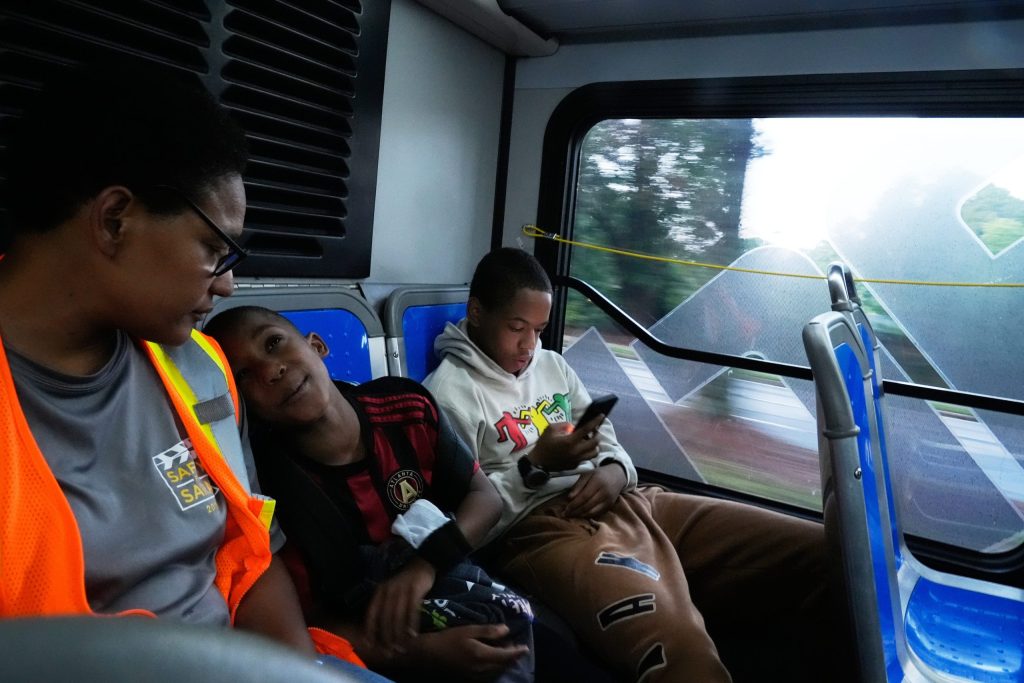
Navigating Educational Boundaries: Ensuring School Stability for Your Child in Atlanta
The pursuit of a stable and quality education for a child is a paramount concern for parents everywhere.For families in dynamic urban environments like Atlanta, this journey can be fraught with unexpected challenges, particularly when housing instability intersects with school district boundaries.
This article explores the complexities of maintaining educational continuity, drawing insights from real-world scenarios to offer practical guidance for parents facing similar situations.
We delve into the critical link between residence and educational opportunity, and the relentless efforts required to secure a child's academic future.
The Intertwined Worlds of Housing and Education
The geographical location of a family's residence often dictates access to educational resources.In many cities, including Atlanta, school districts are drawn along neighborhood lines, meaning that a change in address can signify a significant shift in the quality and funding of a child's schooling.
When families are forced to relocate, often due to economic hardship or gentrification, they may find themselves moving from districts with robust funding and ample resources to those with less.
This transition can have profound implications for a child's academic trajectory, especially for those already facing personal challenges.
The Impact of Displacement on Students
Studies indicate that frequent school changes can disrupt a student's academic progress and emotional well-being.For a young person like Elias, who had experienced the loss of a parent and multiple housing displacements, the prospect of yet another school change after a difficult freshman year was a significant concern.
The fear was that such a disruption could jeopardize his ability to recover academically and build a stable foundation for his future.
This highlights the critical need for educational systems and support networks that prioritize stability for vulnerable students.
The Relentless Pursuit of Educational Continuity
Securing a child's place in their preferred school district, especially when facing housing uncertainty, demands extraordinary effort and resourcefulness.For parents like Sechita McNair, the drive to keep her son Elias in his Atlanta high school required navigating a complex web of financial, logistical, and emotional hurdles.
This often involves a race against time, especially as the school year approaches, and can necessitate difficult financial decisions and sacrifices.
The Financial Strain of Maintaining Residence
The cost of living in desirable school districts can be prohibitive, particularly for families experiencing financial instability.McNair's situation exemplifies this challenge; after being evicted from her apartment, she had to secure a new, albeit imperfect, living situation within her son's school district.
This involved working extra hours, borrowing funds, and seeking rental assistance to afford an apartment that, while meeting the residency requirement, presented its own set of undisclosed issues.
The financial burden of maintaining a specific address can be immense, often forcing parents to prioritize housing over other essential needs.
Navigating Lease Agreements and Landlord Relations
The process of securing housing, even when financially feasible, can be complicated by opaque lease agreements and potentially unscrupulous landlords.McNair's experience with her new Atlanta apartment highlighted red flags, including rushed tours, a reluctance to provide written documentation, and a lease filled with errors.
These issues underscore the importance of thorough due diligence when signing rental agreements and the need for legal recourse when landlords fail to uphold their obligations.
When problems arise, such as unexpected property sales or potential evictions by new owners, parents must be prepared to assert their rights and seek legal counsel to ensure their continued tenancy.
The Multifaceted Challenges of Student Support
Even when a child is successfully enrolled in their desired school, the challenges of ensuring their academic success are far from over.Factors such as trauma, lack of engagement, and insufficient support systems can lead to academic struggles, truancy, and a desire to withdraw from the educational environment.
Addressing Trauma and its Academic Repercussions
Studies indicate that students who have experienced trauma, such as the loss of a parent or significant housing instability, may exhibit a range of academic and behavioral challenges.Elias's struggles with motivation and performance in his freshman year were directly linked to the profound personal losses he had endured.
Recognizing and addressing the impact of trauma is crucial for educators and parents alike.
This may involve providing access to mental health services, fostering a supportive classroom environment, and implementing individualized learning plans that acknowledge a student's unique circumstances.
The Dilemma of Engagement and Attendance
When a student finds school unengaging or overwhelming, the temptation to disengage or skip classes can become strong.Elias's initial experience at Midtown High School, where he found classes boring and expressed a desire for art classes, illustrates this point.
His subsequent truancy, driven by a combination of disinterest and perhaps a desire to escape his academic pressures, put his family at risk of legal repercussions.
This situation highlights the critical need for schools to offer diverse curricula, engaging teaching methods, and proactive interventions to address student disengagement before it escalates.
The Complexities of Alternative Educational Paths
In situations where traditional schooling proves challenging, parents may explore alternative educational routes, such as homeschooling.However, these options often come with their own set of logistical and financial demands.
McNair's brief consideration of homeschooling Elias, and the subsequent realization of its practical limitations, demonstrates that such decisions require careful planning and a realistic assessment of available resources and support.
The need for parental involvement, structured learning environments, and accessible transportation can make alternative paths difficult to sustain, especially for single-parent households.
Leveraging Community Resources for Educational Stability
In the face of educational and housing challenges, community resources can play a vital role in supporting families.Libraries, community centers, and social service agencies offer a wealth of opportunities for learning, support, and connection.
The Power of Urban Resources
McNair's appreciation for the resources available in Atlanta, such as libraries offering museum passes and various community programs, underscores the importance of urban environments as hubs of learning and support.These resources can supplement a child's education, provide access to essential services, and offer a sense of community for families who may lack traditional support networks.
For parents, understanding and utilizing these local assets can be instrumental in navigating difficult circumstances.
The Importance of a Support Network
The absence of a strong support network can exacerbate the challenges faced by families.McNair's description of her new neighborhood as a "support desert" highlights the critical need for accessible social services, community programs, and informal support systems.
When parents are the sole providers and navigators of their children's educational and daily needs, the burden can be overwhelming.
Building and accessing these networks is essential for fostering resilience and ensuring that no family has to face these struggles alone.
Conclusion: A Continuous Journey of Advocacy and Resilience
The story of Sechita McNair and her son Elias serves as a powerful illustration of the intricate challenges families face when striving to maintain educational stability amidst housing insecurity.It underscores that the link between where a child lives and the quality of their education is undeniable, and that navigating this intersection requires immense resilience, resourcefulness, and advocacy.
From securing suitable housing within specific school districts to addressing the emotional and academic needs of students, the journey is often complex and demanding.
The experiences highlight the critical importance of robust educational support systems, accessible community resources, and proactive interventions to assist families in need.
For parents, understanding their rights, leveraging available support, and advocating tirelessly for their children's educational well-being are paramount.
While the path may be arduous, the commitment to ensuring a child's access to a stable and quality education remains a fundamental pursuit, demanding continuous effort and unwavering dedication from families and the communities that support them.
The lessons learned from such situations can inform policy and practice, aiming to create a more equitable educational landscape for all children.







 Explore AI Teaching Tools
Comments (0)
Please login to comment
No comments yet
Be the first to comment on this article