
Beyond the Lecture Hall: How Hands-On Learning is Reshaping Futures for Today's Young People
The traditional image of a student passively absorbing information from a lecture may be losing its grip. A growing movement suggests that genuine excitement for learning, particularly among young people, is ignited not by rote memorization, but by experiences that connect classroom knowledge to tangible, real-world outcomes. This shift is profoundly impacting how we view education and its direct link to future careers.
The Evolving Landscape of Student Engagement
For too long, the educational narrative has centered on a singular path to success. However, evidence points to a powerful alternative: high-quality career and technical education (CTE) programs are emerging as dynamic hubs for learning. These programs are meticulously designed to align with the current demands of the workforce, offering students opportunities to explore their innate strengths and passions.
This approach fosters the development of crucial technical abilities alongside a suite of transferable, durable skills. It's a departure from an era where hands-on learning was often relegated to students perceived as struggling with conventional academics. Recent data indicates a significant attitudinal change, suggesting a broader recognition of the value of these programs for all students.
A Paradigm Shift in Parental Perceptions
Consider this: just a few years ago, a mere 13 percent of parents believed that hands-on CTE programming was suitable for high-achieving students. This perspective has undergone a remarkable transformation. In a recent survey, over a third of middle and high school parents now believe that CTE programs are indeed best suited for academically gifted students, signaling a powerful endorsement of practical, skill-based learning.
This evolving sentiment extends to postsecondary options beyond traditional four-year degrees. Non-degree pathways, encompassing trade schools, industry certifications, intensive technical boot camps, and apprenticeships, are gaining traction. The percentage of parents who view these alternatives as preferable to a college degree for their children has seen a notable increase over the past six years.
This growing acceptance is particularly significant because parents are key influencers in shaping educational decisions for their children. Their evolving views underscore a broader societal acknowledgment that diverse educational routes can effectively prepare young people for fulfilling and prosperous careers.
Redefining Career Pathways: Beyond the Degree
The long-held notion that a college degree is the sole determinant of career success is increasingly being challenged. Emerging research reveals a compelling reality: a substantial portion of the workforce without a degree earns salaries comparable to, or even exceeding, those with college credentials. In fact, a significant number of individuals without a degree are achieving six-figure incomes annually.
This data highlights the critical role of strategic career entry points. Many of these high earners began their professional journeys in "launchpad jobs." These are entry-level positions that offer a potent combination of competitive pay and benefits, robust job security, and ample opportunities for rapid advancement and skill development.
Identifying the Launchpad to Success
Analysis of these successful career trajectories has identified numerous "launchpad jobs" across various industries. While many of these roles lean towards technical fields, they serve as vital gateways to long-term career growth. Examples include emergency medical technicians, skilled electricians, and bank tellers – professions that directly benefit from the foundational skills cultivated in CTE programs.
These roles are not merely stepping stones; they are foundations upon which robust careers are built, all stemming from a strong skill set acquired through practical learning experiences. The emphasis is on acquiring both in-demand technical proficiencies and universally valuable durable skills.
The Pillars of Effective Career Preparation
Students who engage in well-structured CTE programs gain a distinct advantage. This advantage is built upon several key components that extend far beyond theoretical knowledge:
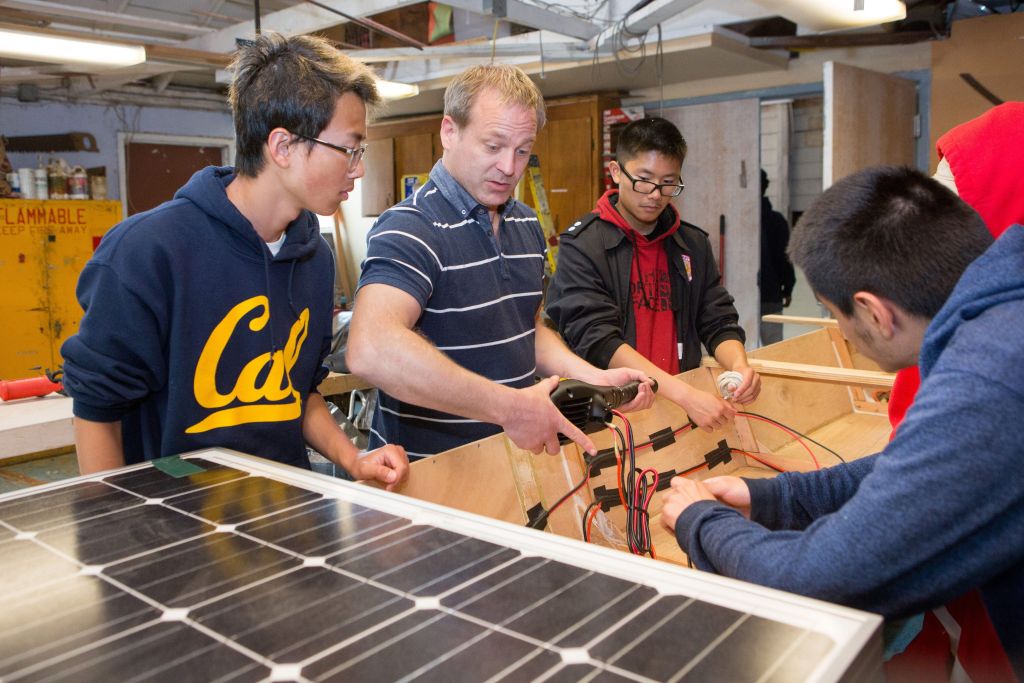
- Hands-On Training: Providing students with the opportunity to apply their technical and durable skills to real-world projects is invaluable. This practical application builds confidence and provides tangible experience that sets them apart when entering the job market.
- Industry Mentorship: Connecting young people with seasoned professionals offers crucial, up-to-date insights into various careers. This includes realistic information about earning potential, job stability, necessary training, and avenues for professional growth.
- Clear Pathways to Advancement: Some CTE programs integrate opportunities for students to earn industry-recognized certifications along their learning journey. This provides a structured and visible roadmap toward achieving professional goals.
The Indispensable Value of Durable Skills
In today's dynamic job market, a set of universal competencies, often termed "durable skills," are in high demand across all sectors. These are the transferable abilities that empower individuals to adapt and thrive regardless of their specific field. They are the bedrock of professional success and essential for navigating adult life.
Research consistently shows that a significant majority of the most sought-after skills in job postings are these durable skills. They encompass critical areas such as effective collaboration, clear communication, adaptability, and sophisticated problem-solving. These are not just job-specific talents; they are life-long assets.
Empowering Students Through Informed Choices
The benefits of engaging with CTE programs are clear, but realizing their full potential requires informed guidance. Influencers—including parents, educators, and counselors—play a pivotal role in helping young people explore these opportunities. By understanding the breadth of available CTE programs, these mentors can offer personalized advice aligned with each student's unique interests and strengths.
Regardless of the postsecondary path ultimately chosen, a critical element often missing for young people is the opportunity for genuine exploration before making significant decisions. Students who are exposed to career exploration activities and CTE programs, or who complete practical learning experiences like internships or entrepreneurial projects, are significantly better equipped to identify training that aligns with their aspirations and career objectives.
Unfortunately, far too many students graduate high school without these vital career education experiences. This can lead to aimless postsecondary choices rather than deliberate pursuits aligned with their long-term goals. It is imperative that we enhance our efforts to prepare high schoolers for the future by ensuring they have access to comprehensive resources that illuminate all available options and pathways to success, including a diverse array of CTE programs.







 Explore AI Teaching Tools
Comments (0)
Please login to comment
No comments yet
Be the first to comment on this article