
Championing Inclusion: A Deep Dive into Educational Equity for Students with Disabilities
The journey of education is a universal pursuit, yet for students with disabilities, the path to equitable learning experiences can present unique challenges.In the state of Jersey, a critical examination is underway to understand how these students are integrated, or sometimes separated, from their peers.
This article delves into the importance of inclusive education, the current landscape, and the actionable steps being taken to foster environments where every student, regardless of their abilities, can thrive.
We explore the vital role of education in shaping futures and the commitment to ensuring that inclusion is not just a buzzword, but a lived reality for all students.
The Imperative of Inclusive Education: Why It Matters
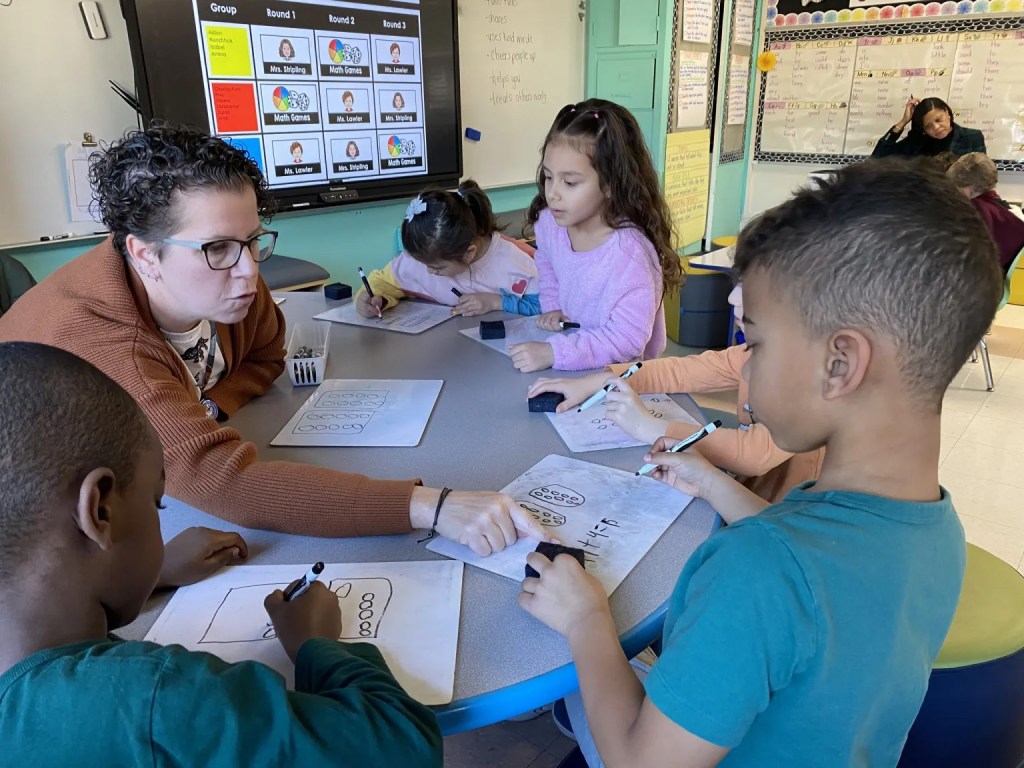
Inclusive education is built on the fundamental belief that all students learn best when they are part of a diverse community.This approach recognizes that differences in ability, background, and learning style are not barriers, but opportunities for enriched learning for everyone.
When students with and without disabilities learn together, they develop crucial social skills, empathy, and a deeper understanding of the world's diversity.
This educational philosophy is not merely about physical presence in a classroom; it's about fostering a sense of belonging and ensuring that every student receives the support they need to reach their full potential.
Benefits for All Students
Research consistently shows that inclusive settings offer profound advantages.For students with disabilities, it means access to a richer curriculum, higher expectations, and greater opportunities for social interaction.
For their peers without disabilities, it cultivates leadership skills, reduces prejudice, and enhances their understanding of human differences.
This synergy creates a more dynamic and supportive learning environment that benefits the entire educational ecosystem.
Navigating the Educational Landscape: Current Realities and Challenges
Understanding the current state of inclusive education is crucial for driving meaningful change.In Jersey, recent analyses have highlighted concerning trends regarding the integration of young students with disabilities.
Specifically, a significant portion of 6- and 7-year-olds identified with disabilities spend less than the majority of their school day alongside their peers without disabilities.
This disparity raises questions about the effectiveness of current educational strategies and the commitment to federal mandates that advocate for maximum integration.
The Role of Individualized Education Programs (IEPs)
A cornerstone of special education is the Individualized Education Program (IEP).This legally binding document outlines the specific educational services and accommodations a student with a disability requires.
However, studies indicate that in some districts, the development and implementation of IEPs may not consistently justify student placements, particularly when it involves separating students from general education classrooms.
This lack of clear justification and annual review can hinder progress toward inclusive practices.
Ensuring Justification and Review
State policies mandate that IEP teams annually review and provide written explanations for student placements.This process is vital for ensuring that decisions are individualized, compliant with federal law, and actively promote inclusive opportunities.
When a student is placed in a separate setting, their IEP should clearly articulate why an inclusive classroom with additional support is not appropriate, and importantly, outline plans for eventual reintegration into general education settings.
The Impact of Policy and Practice on Student Placement
The way school districts write and enforce IEPs has a direct impact on where students with disabilities spend their educational day.When documentation is insufficient or when the focus shifts away from finding solutions for inclusion, it can inadvertently lead to greater segregation.
This is particularly concerning for young learners, where early intervention and consistent exposure to diverse learning environments are critical for development.
Driving Change: Initiatives and Strategies for Enhanced Inclusion
Recognizing the need for improvement, various stakeholders are actively working to enhance inclusive education practices.Advisory groups, educators, and policymakers are collaborating to address the systemic issues that contribute to the separation of students with disabilities.
Their efforts focus on improving training, strengthening parental involvement, and fostering a culture of inclusion throughout the state’s educational institutions.
Educator Training and professional development
A key area of focus is equipping educators with the skills and knowledge necessary to effectively teach in inclusive classrooms.Programs designed to support districts in improving their inclusion rates are seeing increased interest.
These initiatives provide valuable training and resources, empowering teachers to adapt their instruction, implement differentiated learning strategies, and manage diverse classrooms with confidence.
The demand for such programs underscores a growing commitment to professional development in this critical area.
Empowering Parents and Guardians
The involvement of parents and guardians is paramount in ensuring that students with disabilities receive appropriate educational services.Recent legislative efforts aim to improve communication between schools and families, ensuring that parents are informed about their child's academic progress and have a voice in placement decisions.
Strengthening parental involvement in IEP meetings and providing clear procedures for them to voice concerns are essential steps toward greater accountability and better outcomes for students.
The Role of State Advisory Groups
State-level advisory groups play a crucial role in examining educational policies and recommending improvements.By pledging to investigate the separation of students with disabilities from their peers, these groups signal a commitment to data-driven decision-making and a proactive approach to addressing disparities.
Their work involves studying educator training, exploring the links between disability type and placement, and ultimately, advocating for policies that support robust inclusion.
Looking Ahead: The Future of Inclusive Education in Jersey
The ongoing dialogue and the proactive measures being taken in Jersey offer a promising outlook for the future of inclusive education.While challenges remain, the growing awareness and the collaborative efforts of educators, policymakers, and advocates are paving the way for a more equitable system.
The goal is to move beyond simply measuring placement rates to ensuring that all students receive the individualized support and enriching experiences they deserve within a truly inclusive educational setting.
Lessons from Other States and Global Practices
Examining successful inclusion strategies implemented in other states and globally can provide valuable insights.States that have prioritized inclusion have demonstrated significant improvements in the percentage of students with disabilities spending the majority of their day in general education classrooms.
These successes often stem from a combination of strong policy, dedicated funding, and a deep-seated commitment to the principles of equity and belonging in education.
The Continuous Journey of Educational Advancement
The pursuit of inclusive education is an ongoing journey, requiring continuous evaluation, adaptation, and a steadfast commitment to the rights and potential of every student.Mentofy is dedicated to supporting this journey by providing resources and learning opportunities that empower educators, students, and families to champion educational equity.
By fostering a global community of learners and educators, we aim to contribute to a future where inclusion is not an aspiration, but a fundamental aspect of education for all.
Conclusion
The commitment to inclusive education in Jersey, and indeed globally, is a testament to the evolving understanding of how best to serve all students.The critical examination of placement practices, coupled with initiatives focused on educator training and parental empowerment, signifies a positive shift.
By prioritizing the needs of students with disabilities and ensuring their full participation in the educational community, we not only uphold their rights but also enrich the learning experience for every student.
The journey toward true inclusion is continuous, and through dedicated effort and a shared vision, we can create educational environments where every child has the opportunity to learn, grow, and succeed.





 Explore AI Teaching Tools
Comments (0)
Please login to comment
No comments yet
Be the first to comment on this article