
Transforming Early Education: Prioritizing Preschool Access for Children with Disabilities
Investing in the foundational years of a child's education is paramount, especially for those with disabilities.While progress has been made in expanding inclusive preschool opportunities, recent budget proposals have sparked concern among educators and advocates.
This article delves into the critical importance of early education for children with disabilities, exploring the potential impact of budget shifts and highlighting the proven benefits of inclusive learning environments.
We will examine the current landscape of early childhood education, the specific programs designed to support children with disabilities, and the broader implications for their future academic and social development.
The Crucial Role of Early Education for Children with Disabilities
The early years of a child's life are a period of rapid development, laying the groundwork for all future learning.For children with disabilities, this period is particularly vital.
Research consistently shows that early intervention and access to high-quality preschool programs can significantly alter developmental trajectories, leading to improved cognitive, social, and emotional outcomes.
These programs provide specialized support, tailored learning experiences, and crucial opportunities for social interaction, all of which are essential for children with diverse needs to thrive.
The education of children with disabilities is not merely a matter of providing services; it is about fostering an environment where every child has the opportunity to reach their full potential.
The Individuals with Disabilities Education Act (IDEA) mandates that children as young as three years old with disabilities receive special education services.
This federal requirement underscores the recognized importance of early intervention.
Furthermore, joint statements from the U.S.
Department of Education and the U.S.
Department of Health and Human Services emphasize the need for children with disabilities to have access to preschool and child care programs where they can learn and grow alongside their peers without disabilities.
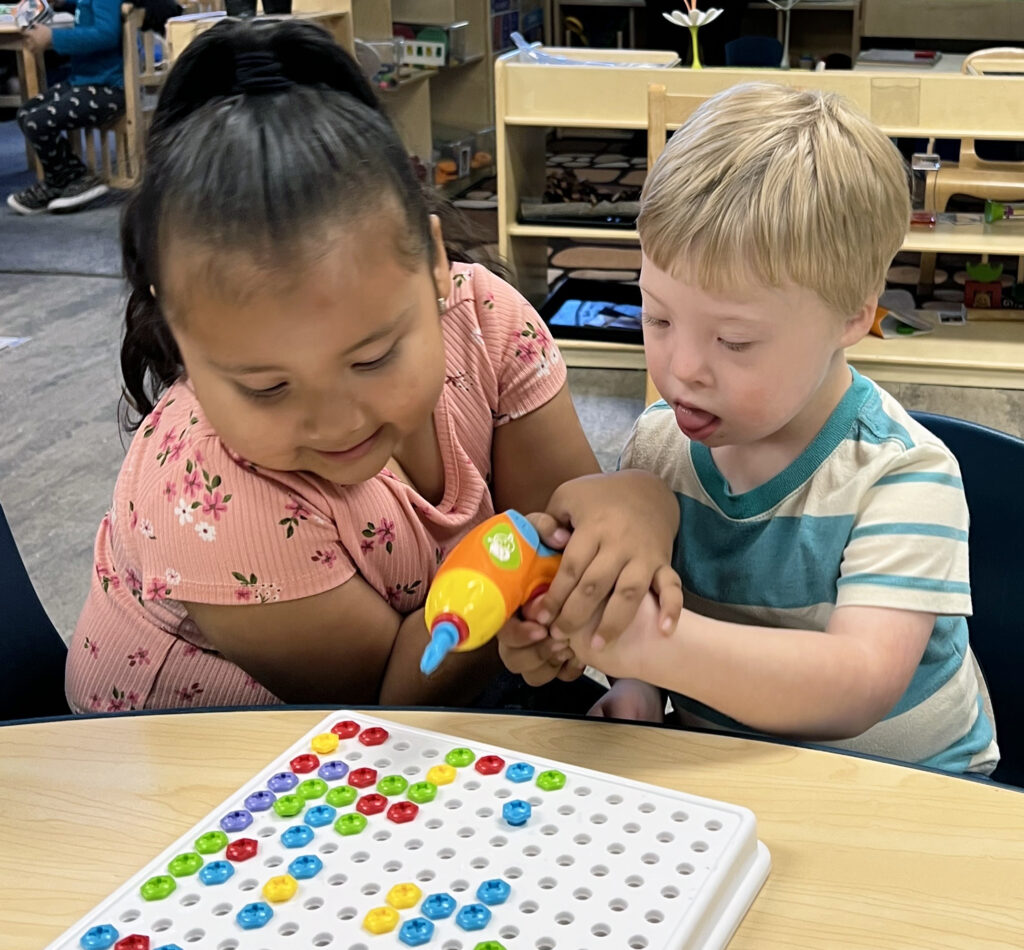
This principle of inclusion is a cornerstone of modern educational philosophy, promoting understanding, empathy, and a richer learning experience for all.
Benefits of Inclusive Preschool Programs
Inclusive preschool settings offer a multitude of advantages for children with and without disabilities.When children with diverse needs are integrated into general education classrooms, they benefit from:
- Enhanced Social Skills: Interacting with a wider range of peers helps children develop crucial social competencies, learn to navigate different personalities, and build friendships.
- Improved Communication: Exposure to varied communication styles and opportunities for interaction can foster language development and communication skills for all children.
- Academic Gains: Inclusive environments often provide a richer, more stimulating learning experience that can benefit all students, including those who require specialized support.
- Development of Empathy and Understanding: Children learn to appreciate differences, develop compassion, and build a foundation for a more inclusive society.
- Preparation for Future Schooling: Early exposure to a general education setting helps children with disabilities acclimate to the routines and expectations of future school environments.
Examining Budgetary Priorities in Education
Educational funding is a complex and often contentious issue, particularly when balancing competing needs.Recent discussions have highlighted a proposed shift in budgetary priorities, with a focus on expanding electric school bus initiatives potentially impacting funding for early education programs for children with disabilities.
This situation raises important questions about how limited resources are allocated and the long-term consequences of such decisions.
The state's commitment to expanding access to preschool for children with disabilities has been a significant undertaking.
Initially, a requirement was established for state-subsidized preschool programs to reserve a minimum percentage of their enrollment slots for children with disabilities.
This percentage was slated to increase incrementally over several years, aiming to significantly broaden access.
However, facing budgetary constraints, proposals have emerged to halt this planned increase, effectively capping the number of reserved slots at the initial percentage.
This decision, while intended to address fiscal challenges, could limit the number of children with disabilities who can access these vital early learning opportunities.
The Inclusive Early Education Expansion Program
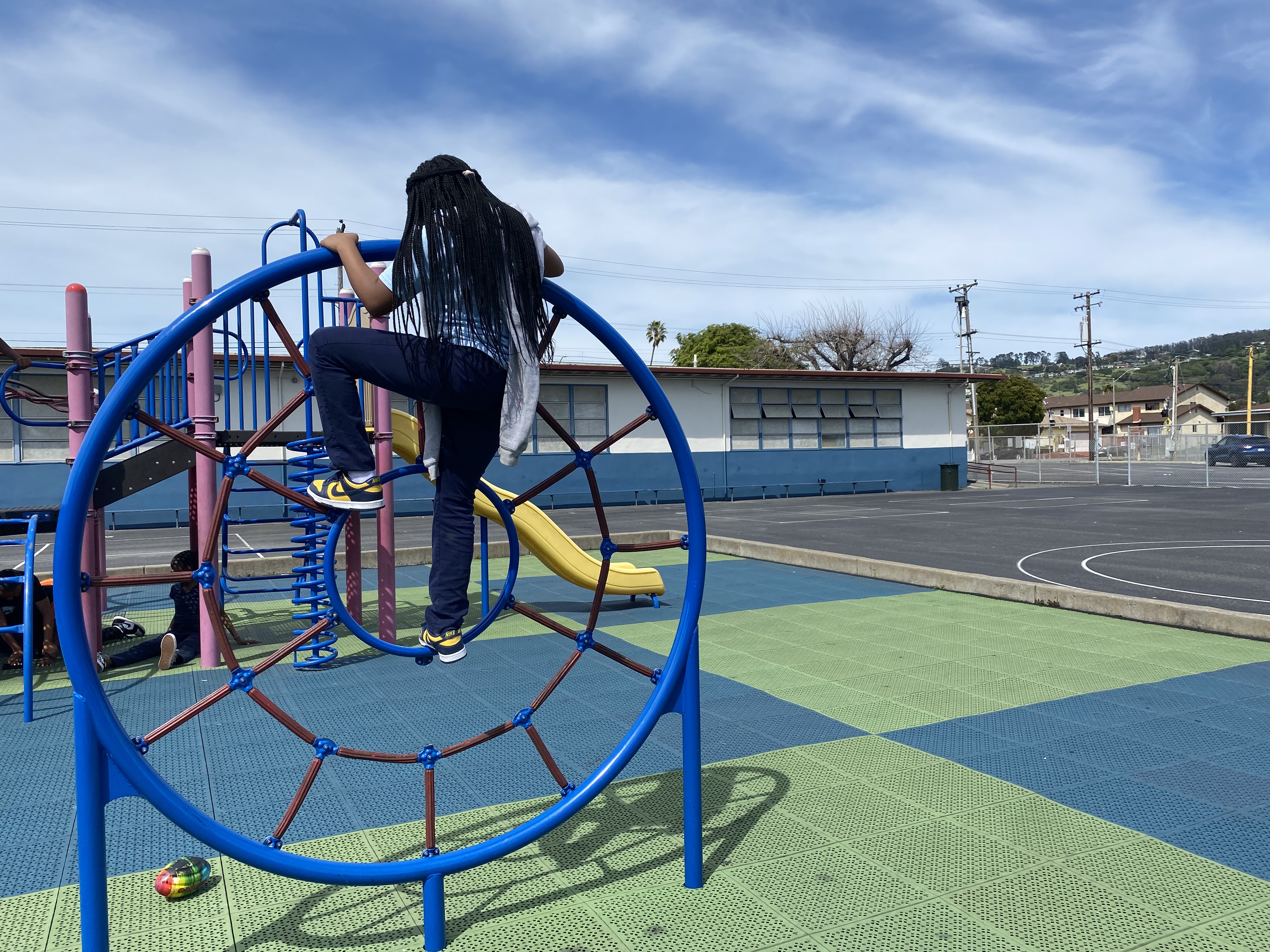
Beyond reserved slots, a dedicated program was established to provide grants aimed at enhancing the infrastructure and professional development necessary for inclusive preschool settings.This program was designed to fund critical adaptations, such as modifying facilities and playground equipment to be accessible, and providing specialized training for preschool teachers.
These grants have been instrumental in helping school districts and county offices of education create environments that are truly welcoming and supportive of children with disabilities.
The initial funding rounds of this program have yielded tangible results, transforming learning spaces and equipping educators with the skills to effectively support diverse learners.
Many school districts and county offices of education had applied for subsequent rounds of funding, anticipating the continued support to further their inclusive education goals.
The proposed reallocation of these funds to support other initiatives, such as the expansion of electric school bus fleets, has caused considerable dismay among those who have witnessed firsthand the positive impact of the Inclusive Early Education Expansion Program.
Advocates' Concerns and the Impact on Children
The potential reduction in funding for preschool programs serving children with disabilities has been met with strong opposition from a wide array of stakeholders.Leaders from county offices of education, school districts, and advocacy groups for early and special education have voiced their deep concerns.
They argue that prioritizing other initiatives over the foundational needs of young children with disabilities represents a significant step backward.
Educators and administrators who have been actively involved in implementing inclusive practices express a sense of betrayal.
They have made plans, invested resources, and built momentum based on the expectation of continued support for these critical programs.
The proposed cuts are seen as a breach of promise, jeopardizing years of dedicated effort and potentially disrupting the progress made in serving this vulnerable student population.
Voices from the Field
Testimonials from educators and parents underscore the profound impact of these programs.For instance, a special education administrator highlighted that for children with disabilities, early educational experiences are far more critical than investments in infrastructure like electric buses.
This sentiment is echoed by many who believe that the long-term benefits of early intervention and inclusive education far outweigh the immediate financial savings.
Stories from school districts illustrate the transformative power of these initiatives.
One district utilized grant funding to completely overhaul its preschool program, investing in new materials, accessible playground equipment, and comprehensive staff training.
They strategically placed "special day classrooms" adjacent to general preschool classrooms, fostering natural interaction and inclusion.
The result has been a vibrant learning environment where children with disabilities, including those using wheelchairs and scooters, are thriving alongside their peers.
Parents have also shared heartwarming accounts of how inclusive preschools have helped their children develop friendships and a greater appreciation for diversity.
The Long-Term Economic and Social Implications
While budget decisions often focus on immediate financial considerations, it is crucial to consider the long-term economic and social implications of educational investments.Studies indicate that early intervention and comprehensive early education for children with disabilities can lead to significant cost savings in the future.
Children who receive appropriate support at a young age are often better prepared for kindergarten and subsequent grades, requiring less intensive special education services later in their academic careers.
Conversely, neglecting early intervention can result in higher special education costs down the line.
When developmental needs are not addressed early on, children may face greater challenges in accessing the general education curriculum, potentially requiring more specialized and costly interventions in later years.
Therefore, investing in early education for children with disabilities is not just a social imperative; it is also a fiscally responsible strategy that benefits both individual children and the broader community.
The Importance of Continuity and Planning
Many school districts and county offices of education have relied on the promised funding to implement multi-year plans for expanding inclusive education.These plans often involve significant infrastructure changes, curriculum development, and ongoing professional development for staff.
The sudden withdrawal or reduction of this funding can create significant disruptions, forcing districts to scale back or abandon crucial initiatives that have been carefully planned and are already underway.
This uncertainty can lead to a loss of momentum and a setback in the progress towards creating truly equitable educational opportunities for all children.
Conclusion: Upholding the Promise of Early Education
The debate surrounding educational funding priorities underscores a fundamental question: how do we best invest in the future of our children?For children with disabilities, access to high-quality, inclusive preschool education is not a luxury but a necessity.
The evidence overwhelmingly supports the profound and lasting benefits of early intervention and integrated learning environments.
While fiscal responsibility is essential, it must be balanced with a commitment to the foundational needs of our youngest learners.
The proposed budget shifts have raised valid concerns among educators, parents, and advocates who have witnessed the transformative power of inclusive preschool programs.
The potential impact on children with disabilities, their families, and the broader educational landscape warrants careful consideration.
As budget negotiations continue, it is imperative that the voices of those on the front lines of education are heard, and that decisions are made with the long-term well-being and developmental success of all children in mind.
Prioritizing early education for children with disabilities is an investment in a more equitable, inclusive, and prosperous future for our entire society.





 Explore AI Teaching Tools
Comments (0)
Please login to comment
No comments yet
Be the first to comment on this article