
Unlocking Student Potential: The Transformative Power of Arts Education in schools
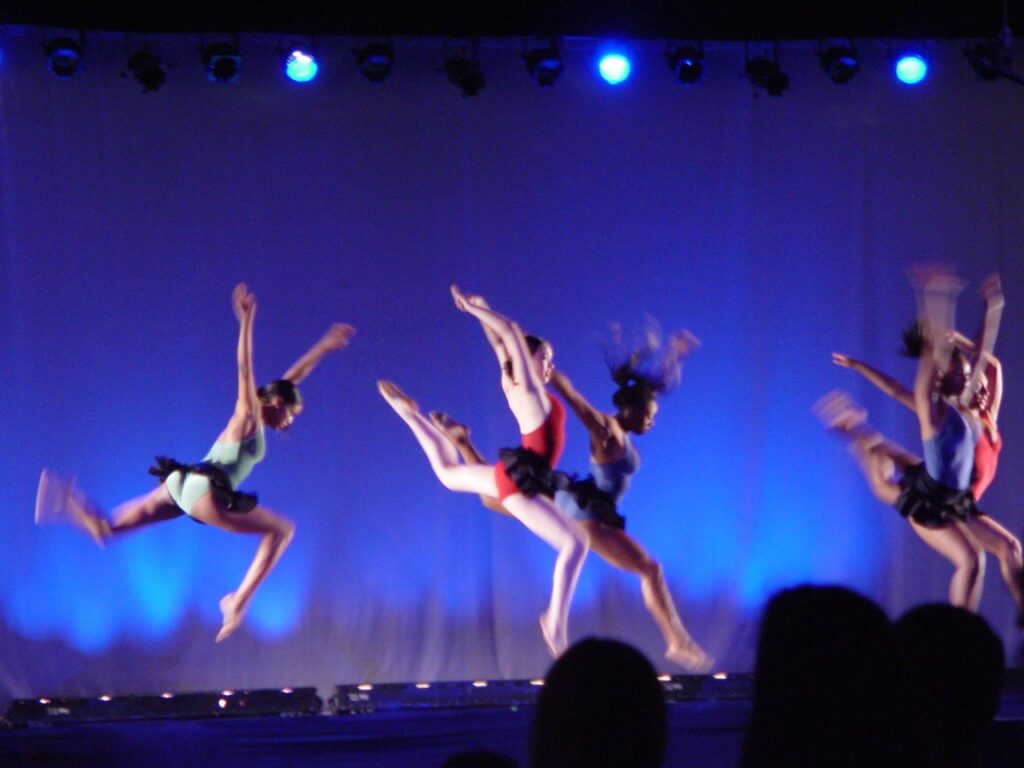
Imagine a classroom alive with the vibrant hues of student artwork, a stage buzzing with the energy of young performers, or a concert hall filled with the harmonious sounds of a student orchestra.These are not just idyllic scenes; they represent the profound impact of arts education on student development, fostering confidence, engagement, and essential life skills.
For too long, access to such enriching experiences has been a lottery, dependent on local resources and district priorities.
This article delves into how dedicated initiatives are striving to ensure that every student, regardless of their school district, benefits from the transformative power of the arts, fulfilling a crucial educational proposition.
The Undeniable Value of Arts in Education
The integration of arts into the curriculum is far more than an extracurricular luxury; it is a fundamental component of a comprehensive education.Research consistently indicates that engagement with the arts cultivates a unique set of cognitive and emotional skills that are vital for success in the 21st century.
Students who participate in arts programs often demonstrate enhanced problem-solving abilities, critical thinking, and creativity.
These skills are transferable across all academic disciplines and are highly sought after in the modern workforce.
Furthermore, the arts provide a powerful avenue for self-expression and emotional development.
Through painting, music, drama, and dance, students learn to articulate their thoughts and feelings, build empathy, and develop a deeper understanding of themselves and the world around them.
This emotional intelligence is crucial for navigating complex social interactions and fostering mental well-being.
The confidence gained from mastering a new artistic skill or performing for an audience can have a ripple effect, boosting self-esteem and encouraging greater participation in all aspects of school life.
Key Benefits of Arts Engagement for Students:
- Enhanced creativity and innovation
- Improved critical thinking and problem-solving skills
- Greater self-expression and emotional intelligence
- Increased confidence and self-esteem
- Development of discipline and perseverance
- Stronger collaboration and communication abilities
- Deeper cultural understanding and appreciation
Bridging the Equity Gap in Arts Education
Historically, the availability of robust arts programs has been a significant point of inequity within the education system.Access often depended on the economic standing of a school district, the success of local fundraising efforts, or the passionate advocacy of parents and community members.
This uneven distribution meant that students in under-resourced districts were often denied the rich educational experiences that their peers in more affluent areas enjoyed.
This disparity undermines the fundamental proposition that all students deserve a well-rounded education.
Recognizing this critical issue, significant efforts have been made to establish dedicated funding streams and policy frameworks aimed at democratizing access to arts education.
The goal is to move beyond a system where arts programs are vulnerable to budget cuts or dependent on unpredictable external support.
Instead, the vision is for arts education to be a guaranteed, integral part of every student's learning journey, supported by consistent and substantial resources.
This ensures that the promise of a comprehensive education, including the arts, is a reality for all students.
Strategies for Ensuring Equitable Access:
- Dedicated Funding: Allocating specific, ongoing financial resources to arts education programs within school districts.
- Strategic Planning: Developing comprehensive arts education plans that are integrated into the overall educational strategy of a district, with input from stakeholders.
- Qualified educators: Investing in the recruitment and retention of certified arts educators who can provide high-quality instruction.
- Curriculum Integration: Weaving arts education into the broader curriculum, demonstrating its connections to other subjects and its relevance to students' lives.
- Community Partnerships: Fostering collaborations with local arts organizations and cultural institutions to enrich student experiences and provide additional resources.
Implementing a Vision for Expanded Arts Education
Successfully expanding arts education requires a proactive and strategic approach from school districts.This involves not only securing new funding but also thoughtfully integrating these resources to maximize their impact.
Districts that are successfully meeting the proposition of increased arts access often exhibit several common characteristics that serve as valuable models for others.
One crucial element is the establishment of a dedicated leadership role, such as an arts education coordinator.
This individual is responsible for overseeing the development and implementation of arts programs, ensuring consistency and quality across the district.
Alongside this leadership, a clear strategic plan, developed with input from teachers, students, parents, and community members, is essential.
This plan outlines the district's vision for arts education, identifies specific goals, and details how new resources will be utilized to achieve them.
Hallmarks of Successful Arts Expansion:
- District-Level Arts Leadership: A designated coordinator or department championing arts education initiatives.
- Strategic Arts Plan: A well-defined roadmap for arts education development, created collaboratively.
- Transparent Reporting: Clear documentation of how new funds are being used to expand arts offerings, not merely replace existing ones.
- Hiring of Arts Specialists: Increasing the number of qualified arts teachers to serve more students across various disciplines.
- Curriculum Enhancement: Expanding the range and depth of arts instruction, from elementary through high school.
Other exemplary models involve forming committees to develop comprehensive plans that include creating new job descriptions for arts educators, developing robust arts curricula, and implementing effective communication strategies to inform the community about these advancements.
The result is a tangible increase in arts instruction for every student, from kindergarten through graduation, fulfilling the intended promise of enhanced educational opportunities.
Addressing Challenges and Ensuring Compliance
Despite the clear mandate and the widespread support for increased arts education, challenges and instances of non-compliance can arise.It is imperative that school districts adhere to the spirit and letter of any initiatives designed to expand arts access.
The proposition is clear: new funding should be used to *supplement* existing programs, meaning to expand and enhance them, rather than *supplant* them, which would involve replacing existing funding with new resources, effectively leading to no net increase in arts education.
Concerns have been raised in some communities where districts may be misinterpreting or deliberately circumventing the intention of these funding initiatives.
This can manifest in various ways, such as attempts to reallocate existing arts funding to cover positions that were previously funded through other means, or even proposing to eliminate existing arts positions with the intention of rehiring those same educators using the new, dedicated arts funds.
Such actions can undermine the very purpose of these programs, which is to provide *additional* and *expanded* arts education for all students.
Navigating Potential Pitfalls:
- Vigilant Oversight: Parents, educators, and community members must remain informed and vigilant regarding how arts funding is being utilized.
- Clear Communication: School districts should maintain open and transparent communication with their communities about their arts education plans and funding allocations.
- Advocacy and Awareness: Continued advocacy for the arts is crucial to ensure that the educational proposition for all students is upheld.
- Understanding "Supplement vs.
Supplant":
It is vital to understand that new funds are intended to increase overall arts education, not merely shift existing financial burdens.
This can involve engaging with school boards, district administrators, and advocacy groups.
The goal is to ensure that every student receives the expanded arts education that voters and policymakers intended, fostering a richer and more equitable learning environment for their future.
Conclusion
The commitment to providing robust arts education for all students is a critical educational proposition that benefits not only the individual learner but also the broader school community and society.By understanding the profound value of the arts, actively working to bridge equity gaps, implementing strategic expansion plans, and remaining vigilant against potential challenges, school districts can fulfill their promise to students.
The arts are not a peripheral subject; they are a core component of a well-rounded education, equipping students with the creativity, critical thinking, and emotional intelligence necessary to thrive in an ever-changing world.
Ensuring that every student has consistent access to high-quality arts education is an investment in their future and the future of our communities.





 Explore AI Teaching Tools
Comments (0)
Please login to comment
No comments yet
Be the first to comment on this article