
Restorative Justice in schools: Building a Foundation for Success
The landscape of education is constantly evolving, and with it, the approaches we take to foster positive learning environments.While traditional disciplinary methods have long been the norm, a growing body of evidence points towards the transformative power of restorative practices.
This article delves into the core principles of restorative justice within the school setting, exploring its benefits, common misconceptions, and the critical need for adequate funding and training to ensure its effective implementation.
For educators and administrators seeking to cultivate a more empathetic, collaborative, and successful school community, understanding and investing in restorative justice is paramount.
What is Restorative Justice in an Educational Context?
Restorative justice, at its heart, is a philosophy and a set of practices centered on building and repairing relationships.
In schools, this translates to a proactive approach that prioritizes connection, understanding, and mutual respect among students, staff, and the wider school community.
Instead of focusing solely on punishment for wrongdoing, restorative justice seeks to address the harm caused by actions and to involve all parties affected in finding solutions.
This approach fundamentally weaves a culture of collaboration and respect into the fabric of daily school life.
Key elements of restorative practices in schools include:
- Affirmations: Positive statements and acknowledgments that build self-esteem and reinforce desired behaviors.
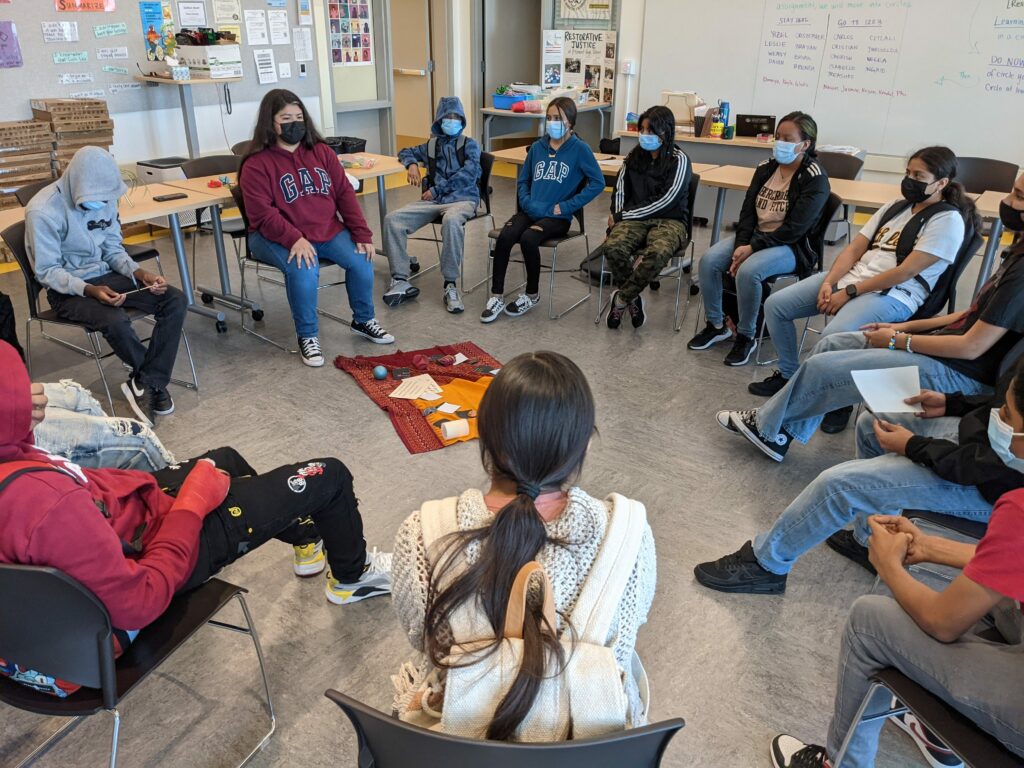
- Restorative Circles: Facilitated discussions where participants can share their perspectives, listen to others, and collaboratively problem-solve.
These can be used for community building, addressing conflicts, or processing significant events.
- Student Check-ins: Regular opportunities for students to share their feelings, needs, and any challenges they might be facing, fostering a sense of being seen and heard.
- Community Circles: Similar to restorative circles, these are designed to build a strong sense of belonging and shared responsibility within the school.
- Social Contracts: Collaborative agreements created by students and teachers that outline expectations for behavior and community interaction, fostering shared ownership and accountability.
- Relationship-Enhancing Activities: Deliberate efforts to create opportunities for positive social interaction and team building among students and staff.
When these practices are implemented with fidelity, schools often witness a significant decrease in disciplinary incidents, particularly those leading to suspensions.
Furthermore, research indicates that student engagement and overall learning outcomes tend to improve.
Students themselves frequently report a preference for restorative approaches over traditional punitive measures, finding them more effective in addressing their needs and fostering a sense of fairness.
Addressing Common Misconceptions About Restorative Justice
Despite its growing recognition, restorative justice in schools is often misunderstood.
One prevalent misconception is that it serves as an alternative to addressing serious incidents like physical assault, hate crimes, or vandalism.
It is crucial to clarify that restorative justice is not designed to replace legal or safety protocols for severe offenses.
Its primary focus is on repairing harm and reintegrating individuals within the community, not on adjudicating criminal behavior.
Another misunderstanding arises when restorative practices are improperly implemented, leading some to believe that the focus is solely on the student who caused harm, neglecting the needs of the individual who was harmed.
This often stems from administrative-level misapplication rather than the inherent flaws of the philosophy itself.
When restorative justice fails to acknowledge and address the harm experienced by the victim, it cannot truly be called restorative, nor can it be considered just.
This highlights the importance of proper training and thoughtful implementation to ensure that all parties feel heard and that justice is genuinely served.
Furthermore, restorative justice is frequently viewed as a reactive measure, employed only when students are in trouble.
In reality, the most impactful restorative practices are proactive.
They are integrated into the daily life of the school to build a strong foundation of positive relationships and prevent conflicts from escalating in the first place.
This proactive approach is what truly transforms a school's climate.
The Critical Role of Funding and Training for Effective Implementation
The successful integration of restorative justice practices into a school's culture hinges on two fundamental pillars: adequate funding and comprehensive training.
While district leadership may actively support and advocate for these approaches, the lack of consistent and sufficient state funding presents a significant barrier to widespread and effective implementation.
This disparity in resource allocation can create an uneven playing field, where some schools are better equipped to embrace restorative principles than others.
Studies indicate that the allocation of funding for restorative justice initiatives often varies significantly across different grade levels within the same district.
For instance, some districts might allocate funding for dedicated restorative lead positions at middle schools, while high schools may receive funding for a part-time role, and elementary schools might receive no dedicated funding at all.
This creates a critical gap, as the restorative lead position is essential for the seamless operation of these practices.
These leads are instrumental in scheduling positive school events, facilitating restorative circles, and ensuring that resolutions are followed through, thereby allowing teachers to focus on their core instructional responsibilities.
When elementary schools, for example, are expected to fund a restorative lead position from their limited site budgets, it places an undue burden on already stretched resources.
This misalignment in funding across different educational levels within a district often mirrors the broader challenges faced by other districts throughout a state.
Essentially, many districts aspire to implement restorative justice but lack the financial capacity to do so effectively and consistently.
This discrepancy between legislative expectations and the reality of funding can place educators in a challenging position.
For example, new legislation might expand prohibitions on student suspensions for certain behaviors, yet teachers may lack the necessary training and support in restorative justice to manage classroom disruptions effectively without resorting to traditional punitive measures.
This gap between policy and practice can lead to frustration and hinder the creation of the positive learning environments that restorative justice aims to foster.
Actionable Insights for Schools and Districts
To bridge the gap between the promise of restorative justice and its practical implementation, a concerted effort from both state and district levels is required.
The following recommendations offer a roadmap for creating more equitable and effective restorative school environments:
State-Level Support: Earmarking Resources for Success
State educational leaders play a pivotal role in championing restorative justice.
To ensure widespread adoption and efficacy, the following actions are recommended:
- Dedicated Funding for professional development: State funding should be specifically earmarked for ongoing, high-quality restorative justice training and professional development for all K-12 school staff.
This includes teachers, administrators, counselors, and support personnel.
This training should go beyond introductory concepts and delve into practical application, conflict resolution techniques, and the nuances of building a restorative school culture.
- Uniform Allocation for Restorative Lead Positions: State funding should be allocated to support a dedicated restorative lead position uniformly across all public schools and public charter schools.
This ensures that every school, regardless of its size or socioeconomic makeup, has access to the expertise needed to implement restorative practices effectively.
This position should be adequately compensated and recognized as a vital component of the school's support staff.
District-Level Commitment: Fostering a Culture of Transformation
Districts must actively support and champion the transformation within their schools, mirroring the proactive leadership seen in districts like San Diego Unified.
This involves:
- Strategic Resource Allocation: Districts should conduct a thorough assessment of their current funding for restorative practices and strategically allocate resources to ensure equitable access across all schools and grade levels.
This might involve re-prioritizing budgets or seeking additional grant opportunities.
- Building Internal Capacity: Districts should invest in developing internal expertise in restorative justice, perhaps by training a cadre of district-level facilitators or coaches who can support school-based implementation.
This creates a sustainable system of support.
- Promoting Collaboration and Sharing: Districts can foster a culture of learning by creating platforms for schools to share best practices, challenges, and successes related to restorative justice.
This could involve regular meetings, workshops, or online forums.
- Integrating Restorative Principles into Policy: Districts should ensure that their disciplinary policies and procedures align with restorative justice principles, emphasizing prevention, repair, and reintegration.
School-Level Engagement: Embracing the Philosophy
While external support is crucial, the commitment of individual schools is where restorative justice truly comes to life.
This involves:
- Prioritizing Training: Schools should actively seek out and participate in comprehensive restorative justice training, ensuring that all staff members understand the philosophy and have the skills to implement its practices.
- Creating Dedicated Time and Space: Schools should intentionally create time and space for restorative practices to occur, whether through dedicated circle times, check-in periods, or opportunities for conflict resolution.
- Student Voice and Leadership: Empowering students to be active participants in restorative processes and to take on leadership roles in promoting a positive school climate is essential.
- Ongoing Evaluation and Adaptation: Schools should regularly evaluate the effectiveness of their restorative justice initiatives and be willing to adapt their approaches based on feedback and observed outcomes.
Conclusion
The shift towards restorative justice in schools is not merely a trend; it is a fundamental reorientation towards building more humane, equitable, and effective learning environments.
This approach, when properly implemented, demonstrably reduces disciplinary incidents, improves student outcomes, and fosters a stronger sense of community.
However, the success of restorative justice is inextricably linked to the availability of consistent and adequate funding and comprehensive training for all educational stakeholders.
By prioritizing state-level resource allocation for professional development and dedicated restorative lead positions, coupled with strong district-level commitment and school-level engagement, we can unlock the full potential of restorative justice.
This investment is not just in a disciplinary approach; it is an investment in the well-being, academic success, and future readiness of every student.
For educators and learning platforms like Mentofy, embracing and advocating for these principles is crucial for shaping the future of education globally.







 Explore AI Teaching Tools
Comments (0)
Please login to comment
No comments yet
Be the first to comment on this article