
Unveiling the Hidden Crisis: Why Homelessness Among Young Children Demands Our Attention
The alarming rise in homelessness among infants and toddlers presents a critical challenge, impacting the foundational years of development for countless children.This crisis, often unseen and underestimated, affects families striving to provide a stable environment amidst escalating economic pressures.
Understanding the multifaceted causes and consequences is the first step towards fostering brighter horizons for these vulnerable young lives.
The Growing Tide of Homelessness for Our Youngest Citizens
Recent data paints a stark picture: a significant increase in the number of infants and toddlers experiencing housing instability across numerous states.This trend is not merely a statistic; it represents a growing number of families, like Karian's, who are caught in a cycle of economic hardship and lack of affordable housing.
The sheer volume of children affected underscores the urgency of addressing this issue, with nearly half a million infants and toddlers in the United States belonging to families without a stable home in 2023.
This represents a concerning jump, highlighting a systemic problem that requires immediate attention and innovative solutions.
The Invisible Faces of Homelessness
A significant portion of this crisis remains hidden.Many children experiencing homelessness are not counted in official statistics because they are doubled up with relatives or friends, or living in temporary accommodations like hotels.
These "hidden homeless" children often don't enter the formal education system until they are of school age, meaning their early developmental needs may go unnoticed and unmet for years.
This lack of early intervention can have profound and lasting impacts on their learning and well-being.
Factors Fueling the Crisis: A Complex Interplay of Challenges
Several interconnected factors contribute to the escalating rates of homelessness among families with very young children.These include the soaring costs of essential goods, the prohibitive expense of childcare, and the general rise in the cost of living, all of which strain household budgets to their breaking point.
Furthermore, the increasing prevalence of maternal mental health challenges, such as postpartum depression and anxiety, can make it even more difficult for parents to maintain stable housing and provide consistent care.
The Economic Squeeze on Families
For many parents, particularly single mothers like Karian, the struggle to secure adequate income to cover basic necessities is immense.Low-wage jobs, even full-time ones, often fall short of providing enough to afford rent in many areas.
This economic precariousness means that even minor setbacks, such as a job loss or unexpected medical expense, can quickly lead to housing instability.
The lack of affordable housing options exacerbates this problem, leaving families with few choices when they are forced to leave their homes.
The Critical Role of Maternal Mental Health
The mental well-being of parents is intrinsically linked to the stability of the home environment for children.Conditions like depression and anxiety can significantly impair a parent's ability to function, impacting their capacity to work, manage household responsibilities, and engage effectively with their children.
When parents are struggling with their mental health, the entire family unit is at risk.
Providing accessible and comprehensive mental health support for new mothers is therefore crucial in preventing homelessness.
The Devastating Impact on Early Childhood Development
The early years of a child's life are a period of rapid brain development, making housing instability particularly detrimental.Children who experience homelessness often face significant developmental delays.
Studies indicate that these children may lag behind their peers in language acquisition and literacy skills.
They can also struggle with self-regulation, finding it difficult to manage their emotions or transition smoothly between activities.
These early challenges can create a ripple effect, leading to long-term health and learning difficulties.
Disruptions to Learning and Growth
When families lack a stable home, children's routines are constantly disrupted.This instability affects their ability to attend school consistently, participate in early learning programs, and engage in play, which is essential for cognitive and social development.
The constant stress and uncertainty associated with homelessness can also impact a child's physical health, leading to increased susceptibility to illness and developmental setbacks.
The Importance of Early Intervention Programs
Early childhood education programs play a vital role in providing a sense of stability and crucial developmental support for children experiencing homelessness.These programs offer a safe and nurturing environment where children can learn, grow, and begin to heal from the trauma of instability.
However, research shows that only a small fraction of homeless children are enrolled in these programs, and this percentage has unfortunately declined in recent years, widening the gap in support.
Innovative Solutions: Creating Safe Havens for Young Children and Families
Recognizing the urgent need, organizations are developing specialized programs to address the unique challenges faced by homeless infants and toddlers.These initiatives often adopt a "two-generation" approach, providing support not only to children but also to their parents, empowering the entire family unit.
The Horizons for Homeless Children Model
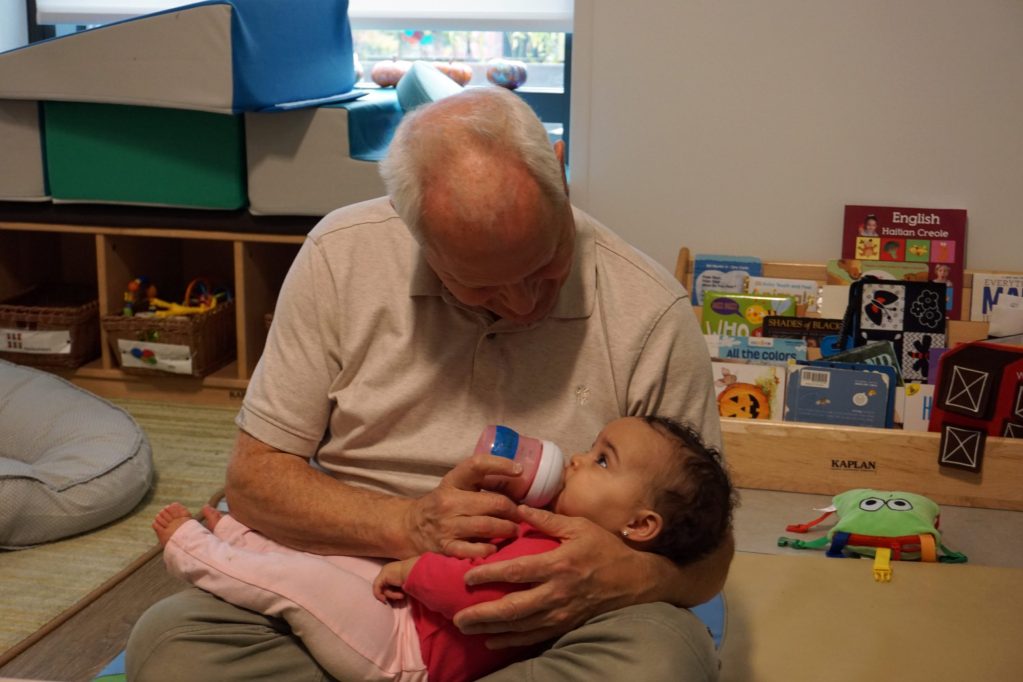
One exemplary model is the Edgerley Family Horizons Center, an early learning program designed to serve children from two months to five years old.This center, and similar initiatives, are meticulously crafted to meet the needs of children who have experienced trauma and instability.
The environment is designed to be calming and secure, with soothing colors, low child-to-staff ratios, and educators trained in trauma-informed care.
These programs understand that for children who have known uncertainty, predictability and consistent, caring adult relationships are paramount.
Creating Predictability and Trust
At centers like Horizons, every detail is considered.teachers consistently implement the same songs and routines, creating a predictable and safe atmosphere.
Rooms are organized, uncluttered, and filled with natural light.
Educators are highly attuned to the subtle cues of distress in infants and toddlers, responding with immediate and sensitive care.
This consistent responsiveness helps build trust and assures the children that they are in a secure and supportive space, even when they are experiencing difficult emotions.
Addressing Developmental Gaps
The programs also focus on addressing specific developmental needs.For instance, many infants and toddlers experiencing homelessness may have underdeveloped gross motor skills due to limited opportunities for movement.
Early learning centers provide safe spaces and age-appropriate activities that encourage crawling, walking, and active play, helping children catch up on these crucial developmental milestones.
The arrangement of toys in consistent locations also provides a sense of order and predictability, offering a small but significant source of comfort.
The Power of Parental Support and Empowerment
Beyond direct childcare, these programs recognize the critical role parents play in their children's well-being.They offer comprehensive support services designed to empower parents and help them achieve self-sufficiency.
This can include access to educational classes, financial literacy training, and personalized coaching to help parents set and achieve personal and professional goals.
A Pathway to Stability and Hope
For parents like Karian, these support systems offer a lifeline.By providing access to childcare, educational opportunities, and coaching, these programs enable parents to improve their employment prospects, gain new skills, and ultimately secure stable housing.
This holistic approach not only benefits the children but also breaks the cycle of poverty and homelessness for the entire family, fostering long-term stability and hope for the future.
Broader Policy Solutions for Lasting Change
While specialized programs offer immediate relief, experts emphasize the need for broader policy changes to address the root causes of homelessness among young children.These include advocating for increased minimum wages, expanding access to affordable childcare options, and implementing policies that promote the development of more affordable housing for low-income families.
Prioritizing Prevention and Support
Ultimately, the goal is to create a society where families with infants and toddlers are not forced into homelessness in the first place.This requires a collective commitment to prioritizing the needs of our most vulnerable citizens and ensuring that every child has a safe and stable place to call home.
Investing in early childhood education and family support services is not just a compassionate choice; it is a crucial investment in the future well-being of our communities.
Conclusion
The escalating crisis of homelessness among infants and toddlers is a complex issue with profound implications for individual children and society as a whole.By understanding the contributing factors, recognizing the devastating impact on development, and embracing innovative solutions that support both children and families, we can begin to build brighter horizons.
Mentofy is committed to providing educational resources that shed light on critical social issues like this, empowering learners to understand, empathize, and contribute to positive change for children and families facing these profound challenges.







 Explore AI Teaching Tools
Comments (0)
Please login to comment
No comments yet
Be the first to comment on this article