
Beyond the Diploma: Why One Electrical Engineering Programme Becomes a Lifelong Launchpad
For many, a university degree marks the end of a chapter, a stepping stone to the next phase of life. But what if that same institution becomes more than just a place of learning – what if it becomes a career, a community, and a continuous source of inspiration? This is the reality for many who engage with the Electrical and Information Engineering programme at Graz University of Technology (TU Graz), a testament to an environment that fosters deep engagement and sustained growth.
A Path Forged in Innovation: From Student to Faculty
Bianca Grottenegg's journey exemplifies this phenomenon. Originally an international student drawn to TU Graz for its Master's programme in Electrical and Electronics Engineering (EEE), she found the university so compelling that she never truly left. Her academic trajectory continued with a PhD, culminating in a professorship in Electrical Measurement and Sensor Systems at the very same institution.
This profound loyalty isn't a matter of chance. Grottenegg attributes her initial choice to TU Graz's stellar reputation in engineering, coupled with Graz's reputation as a dynamic and welcoming student city. The university's blend of rigorous academic standards, robust industry connections, and a distinctly international atmosphere created an ideal crucible for her development.
An Electrifying Environment: Diversity Fuels Innovation
The palpable energy on campus is a direct result of TU Graz's diverse student body. With nearly 13,000 students hailing from over 100 nations, the university cultivates an environment where global perspectives are not just present but actively encouraged. This rich tapestry of backgrounds prepares electrical engineering students for leadership roles and technical discussions on a global stage.
This expansive outlook is intrinsically woven into the fabric of the EEE Master's programme itself. Operated by the Faculty of Electrical and Information Engineering and delivered entirely in English, the programme is meticulously designed to serve as a high-tech launchpad. It equips students with the mastery of technologies that are pivotal to both the global energy transition and the ongoing digital revolution.
Mastering the Future: Specialised Pathways in Electrical Engineering
The programme's strength lies not just in imparting factual knowledge, but in cultivating a systematic approach to problem-solving. Students learn to apply scientific methods, ensuring they are prepared to develop innovative solutions from day one in their professional careers. This practical readiness is significantly enhanced by the programme's inherent flexibility.
Students can choose from five distinct specialised majors, allowing for immediate immersion into focused areas. These include:
- Power Engineering
- Electronic Systems and IC Design
- Sensing, Control and Artificial Intelligence
- Automation Systems Engineering
- Wireless Networks and Communication Systems
This allows students to transition seamlessly into roles within renewable energy, autonomous systems, or chip design without the need for extensive on-the-job reorientation. The curriculum is designed to provide a deep understanding of electrical and electronics engineering applications, fostering the analysis of complex problems and the creation of innovative solutions across critical sectors like energy, mobility, networks, industry, and circuitry.
Cutting-Edge Facilities: Learning in the Labs of Tomorrow
Access to state-of-the-art equipment is a given at TU Graz. The faculty comprises 12 institutes recognized as leaders in Austria for both applied and theoretical fields, and the facilities reflect this standing. Students gain hands-on experience in world-class environments, working alongside researchers on projects that directly inform their coursework.
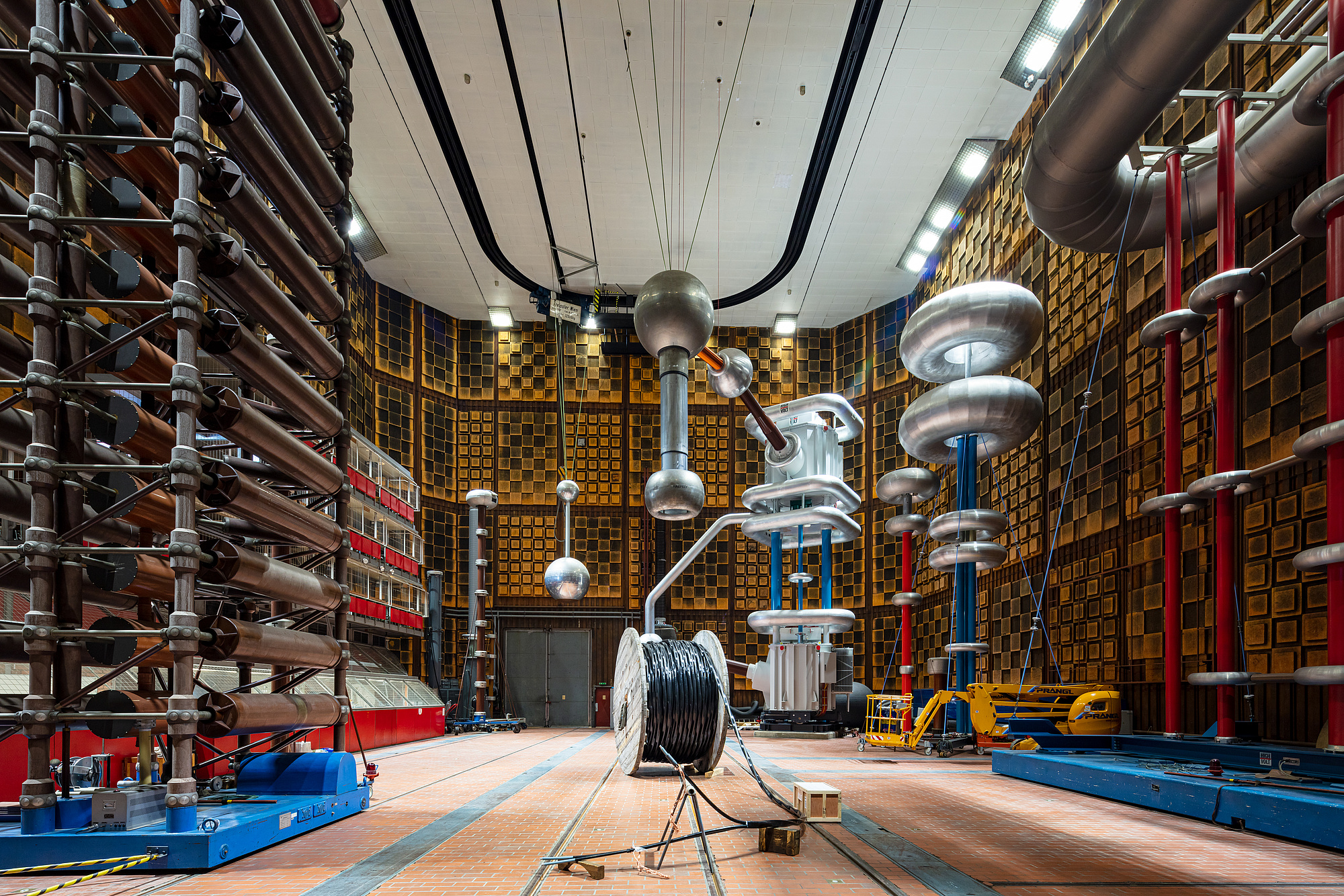
These facilities include advanced laboratories such as the Nikola Tesla Laboratory, dedicated to high-voltage testing, and anechoic chambers essential for testing electronic devices for interference. This direct exposure to sophisticated technology and real-world engineering challenges is invaluable, fostering a deep and applied understanding of the field, as Grottenegg notes.
She elaborates, "The programme provides a strong theoretical foundation while consistently linking it to practical applications through projects and laboratory work. This hands-on approach, combined with exposure to real-world engineering challenges, was especially valuable and helped me develop a deep and applied understanding of the field."
A Supportive Ecosystem: Nurturing Growth and Confidence
Beyond the technical infrastructure, the supportive academic environment at TU Graz is crucial to student success. The university boasts a favourable student-to-faculty ratio, ensuring that students are recognized as individuals rather than mere statistics. Lecturers are readily accessible, and supervision is personalized, providing a safety net that encourages students to embrace challenges and grow through them.
"Faculty members are approachable and supportive, and the structure of the programme helps students navigate both their academic journey and their professional development," Grottenegg states. "This environment encourages students to take on challenges and grow with confidence."
Bridging Academia and Industry: Real-World Connections
This cultivated confidence is quickly put to use, amplified by TU Graz's strong ties to industry. The university has cultivated robust partnerships with leading companies in the semiconductor, energy, and automotive sectors, many of which are strategically located in and around Graz. These collaborations open doors to invaluable internship and career networking opportunities.
Companies such as NXP, Infineon, Andritz, Siemens, and AVL provide students with direct pathways into the professional world, offering experiences that are often harder to secure at institutions lacking such deep regional connections. For those seeking an even broader international experience, the option of a Double Degree Programme with the Technical University of Darmstadt exists. This programme, focused on energy-efficient and sustainable microelectronics, allows students to study at both institutions and earn degrees from each.
Graz: A City That Inspires
While TU Graz offers a world-class academic experience, the city of Graz itself plays an equally significant role in shaping the student journey. Situated in the heart of Europe, Graz provides an ideal backdrop for both intense study and vibrant leisure. Weekend excursions to the Alps or trips to the Adriatic coast are easily accessible, offering students opportunities to decompress and recharge without extensive travel.
"The city offers an excellent balance between focused academic work and a vibrant social environment," Grottenegg observes. "Its international community and high quality of life make it easy to connect with others and feel at home, even as a student coming from abroad." This harmonious blend of academic rigor, cutting-edge technology, and a rich cultural landscape makes Graz University of Technology a truly exceptional place for aspiring electrical engineers to not only learn but to thrive and build a lasting career.






 Explore AI Teaching Tools
Comments (0)
Please login to comment
No comments yet
Be the first to comment on this article