
Elderly Farmers' Land Leases to Foreigners Raise Industry Watchdogs' Concerns
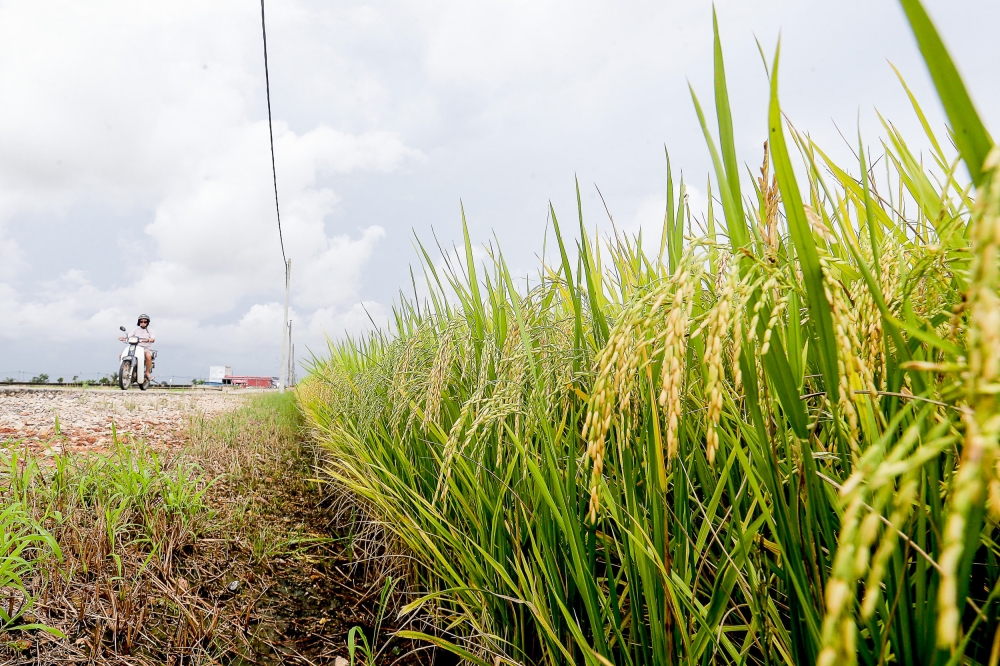
A surprising trend has emerged from routine agricultural inspections: a significant number of aging paddy farmers, some no longer actively cultivating their land, are entering into informal lease agreements with foreign nationals. This practice, while keeping fields productive, is prompting calls for greater oversight from the Department of Agriculture.
These informal arrangements were first detected during spot checks conducted by the Department of Agriculture following the distribution of government assistance to farmers and landowners. The inspections aimed to ensure aid reached its intended recipients and to gauge the health of the nation's agricultural sector.
Uncovering the "Ali Baba" Practice
Officials within the Department of Agriculture have identified a pattern where landowners, particularly those who are retired or have moved away from active farming, are essentially renting out their paddy plots. This is often done without formal contracts, creating what some observers have termed an "Ali Baba" arrangement, where the registered holder of a privilege allows others to reap the primary benefits.
Johari Abdullah, the deputy director-general for Industrial Development and Extension at the Department of Agriculture, highlighted the need for vigilance. "We have detected a trend where landowners, especially veterans or those no longer active in farming, rent out or lease their plots to foreigners informally," he stated.
While acknowledging that this ensures the paddy fields continue to be cultivated, Johari emphasized the potential long-term implications. "This requires close monitoring so it does not affect the industry's existing structure in the long run," he cautioned.
The Data Gap and Foreign Presence
Quantifying the exact scale of this phenomenon remains a challenge. The Department of Agriculture currently lacks comprehensive data on the total acreage involved or the number of landowners participating in these informal leases. This is largely because land matters fall under the purview of state governments, creating a jurisdictional complexity.
Despite these detected cases, Johari was quick to point out that there is no current evidence suggesting foreigners are taking over the country's paddy sector. The backgrounds of the foreigners involved in these leasing arrangements were not detailed in the initial reports.
Addressing the Root Causes: Labor Shortages and Shifting Interests
The presence of foreign nationals in paddy cultivation is largely attributed to persistent labor shortages within the sector. Furthermore, there's a noted decline in local interest in agricultural work, often perceived as "dirty, dangerous, and difficult."
These foreign workers currently provide a crucial, albeit short-term, solution to ensure agricultural land remains productive and doesn't lie fallow. This reliance, however, underscores a deeper challenge within the industry.
Strategies for a Sustainable Future
The Department of Agriculture is actively seeking to reduce the sector's dependence on foreign labor. A key strategy involves increasing mechanization and automation across paddy cultivation processes. This aims to make farming more efficient and less labor-intensive.
Simultaneously, efforts are underway to attract a new generation of farmers. The department is focusing on encouraging more young people to enter the agricultural sector through targeted training programs and attractive incentives. The goal is to cultivate a future where the industry is both technologically advanced and locally driven.
The ongoing monitoring of land leases and the push for modernization signal a proactive approach to safeguarding the integrity and long-term viability of the nation's vital paddy industry. The challenge lies in balancing immediate needs with sustainable, long-term solutions for agriculture.







 Explore AI Teaching Tools
Comments (0)
Please login to comment
No comments yet
Be the first to comment on this article