
California's $500 College Seed: Unlocking Millions in Student Savings Through Community Power
Imagine a state initiative quietly depositing hundreds of dollars into an interest-bearing account for nearly every low-income student, a financial head start for college or career training. This isn't a hypothetical; it's the reality of the CalKIDS program, yet a significant portion of this "free money" remains unclaimed, highlighting a critical need for deeper community engagement.
The Untapped Potential of CalKIDS
Stephanie Martinez Anaya, a former high school senior, experienced this firsthand. Her college success coach introduced her to CalKIDS, a state program designed to bolster college and career training savings for eligible low-income students and English learners. The program automatically deposits between $500 and $1,500 into dedicated savings accounts, a crucial buffer against unexpected expenses.
Martinez Anaya, now a Cal-SOAP coach herself, vividly recalls using her $530 CalKIDS funds, including $30 in interest, to cover homework access for her classes at the University of California, Riverside. Her story underscores the tangible impact of these accounts, transforming abstract potential into concrete educational support.
The CalKIDS program, launched in 2022, aims to demystify college savings and reduce the financial burden on families. It's a proactive approach to ensuring more students can pursue their post-secondary dreams without the crippling weight of immediate costs.
Bridging the Gap: The Schaaf Report's Insights
Libby Schaaf, a former mayor and a key figure in the Advancing CalKIDS research, emphasizes that the program's success hinges on robust community partnerships. Her research, conducted during a fellowship at The EdRedesign Lab at Harvard Graduate School of Education, points to a clear path for increasing account activation rates.
Schaaf, who also co-founded the nationally recognized Oakland Promise program, brings a wealth of experience in building cradle-to-career initiatives. Her work with CalKIDS is informed by a deep understanding of what motivates families and how to effectively deliver resources.
The core of Schaaf's findings suggests that while automatic account creation is a vital first step, it's not enough. Families must actively register to claim their funds, a hurdle that requires more than just official mailers.
Who Qualifies for This Financial Boost?
The CalKIDS program automatically establishes accounts for eligible students identified by the California Department of Education. These include:
- Students in grades 1-12 during the 2021-22 school year.
- Students enrolled in first grade during the 2022-23 school year.
- First graders in subsequent school years, ensuring a continuous influx of new eligible accounts.
Additional funds are allocated for students facing specific challenges. Foster youth receive an extra $500, and students experiencing homelessness are granted another $500. Furthermore, all children born in California receive an initial $100, regardless of family income, with over a million newborn accounts already established.
Collectively, over 3.9 million school-aged children are now eligible for at least $500 in CalKIDS funds. Despite this widespread eligibility, as of March 31, only 12% of students had registered their accounts, a modest increase but still far from maximizing the program's reach.
The Power of Personal Connection
Schaaf's research highlights a seemingly paradoxical finding: families are more likely to act when encouraged by a government entity, yet messages from trusted community organizations often prove more persuasive. This suggests that a blended approach, combining official endorsement with local relevance, is key.
Parents often express that programs are most trustworthy when they see a clear involvement from both government and community bodies. The success of programs like Oakland Promise, which blended city and county resources with personalized financial coaching, serves as a powerful testament to this model.
This insight has led to a crucial recommendation: the creation of certified CalKIDS ambassadors. These individuals, embedded within community organizations, would lend the program governmental gravitas while leveraging their cultural competency and local trust to connect with families.
Community Partnerships in Action
The CalKIDS team is actively implementing strategies that embrace these community collaborations. Recent partnerships have amplified awareness and provided tangible benefits:
- EverFi launched a financial literacy program in Los Angeles County, integrating CalKIDS awareness into educational modules.
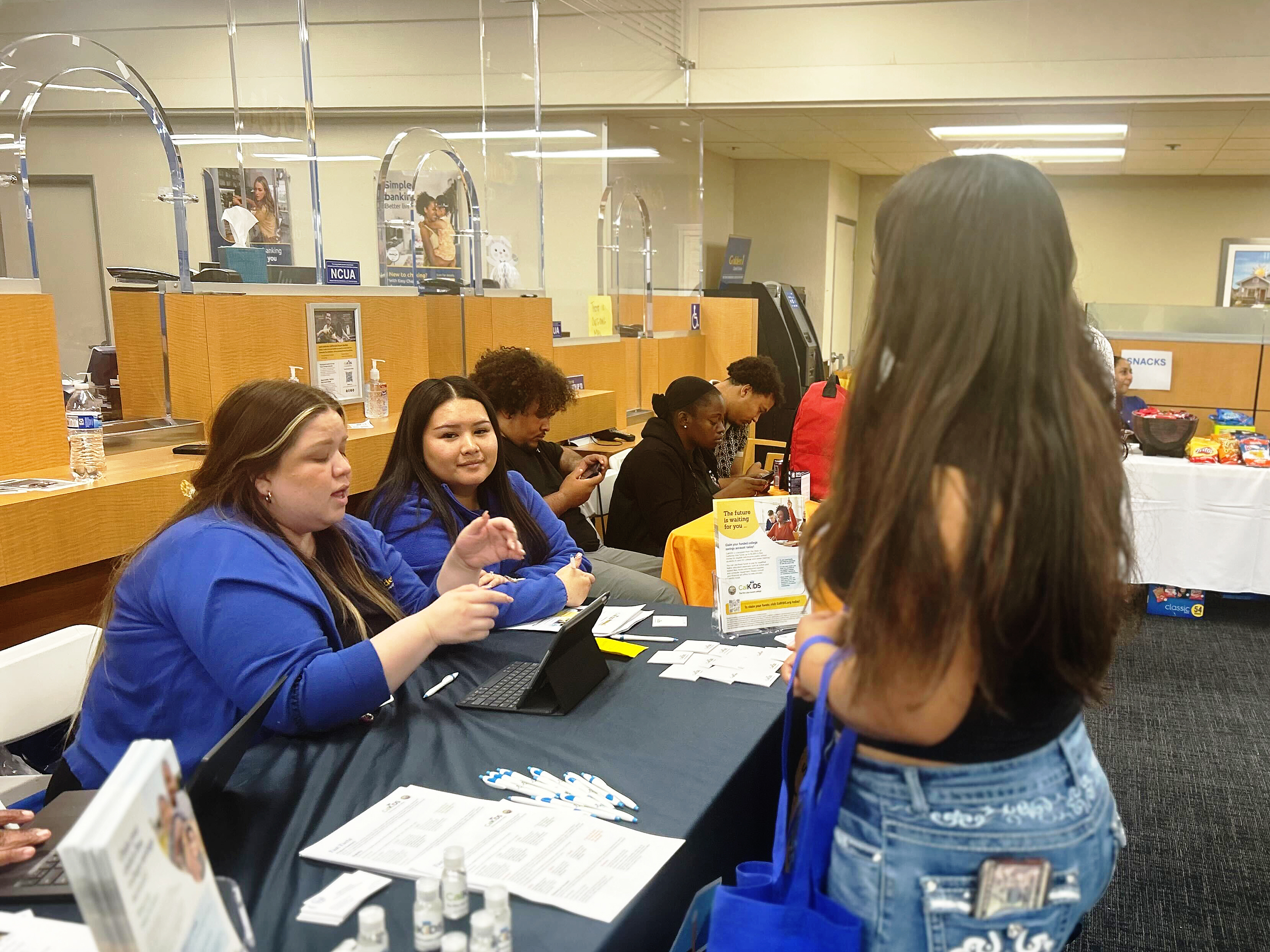
- Golden 1 Credit Union hosted four community events across Northern California and the Central San Joaquin Valley, directly assisting 125 families in claiming their accounts while educating them about financial services.
- Covered California has linked well-child exams and immunizations to the opportunity to earn up to $1,000 in newborn accounts until March 2026, creating a health-and-savings incentive.
These coordinated campaigns demonstrate how CalKIDS can be woven into existing community structures, making it more accessible and understandable for families.
Local Programs: A Microcosm of Success
The impact of community partnerships is particularly evident in the performance of local child savings account programs. As of February, 15 such programs across California serve 180,000 youth, managing over $26 million in savings.
These local initiatives include programs like:
- Advancing Modoc Youth- Child Savings Account Program
- Aspires Boys & Girls Club of San Jose College In My Future
- Excite Foundation Step Up Savings
- Excite Credit Union El Monte Promise Foundation Scholars Savings Program
- First 5 Futures, Sonoma County First Five’s Child Savings Account Program
- Glendale Unified School District, College Success Fund
- Oakland Promise Kindergarten to College
- Oakland Promise Brilliant Baby
- Opportunity LA
- San Francisco Kindergarten to College
- San Joaquin A+
- Santa Cruz Community Ventures, Semillitas
- Value Schools LA
- West Sacramento Home Run, Ready! Set! Save!
Initially, some of these local programs saw lower claim rates than the statewide average, often due to confusion surrounding CalKIDS. For instance, in December 2023, San Joaquin County had a 4.8% claim rate and Los Angeles County had 7.3%. However, through joint promotion and the co-branding of materials, partnerships between CalKIDS and these local programs have nearly doubled claim rates, reaching 8.6% in San Joaquin and 12.2% in Los Angeles by March 31.
Navigating the Identification Hurdle
A significant challenge in the CalKIDS outreach process is the requirement for families to provide a student's Statewide Student Identifier (SSID). This 10-digit number, crucial for verifying eligibility and claiming accounts, is often unfamiliar to parents.
The CalKIDS website now provides clear instructions on how to locate the SSID on transcripts, school portals, or report cards, and encourages direct contact with schools. Schaaf suggests that school districts could proactively share this information during back-to-school events.
In Fresno Unified, officials at a Golden 1 Credit Union event successfully provided students' ID numbers, simplifying the registration process for parents. Similarly, Oakland Unified has granted Oakland Promise access to student ID numbers for their enrollment events, demonstrating a commitment to removing these practical barriers.
Building Trust Through Clear Communication
Beyond identification, understanding and trusting the information provided is paramount. CalKIDS has made strides in addressing language and literacy barriers by translating materials and adopting more accessible terminology, shifting from "savings accounts" to "scholarships" or "free money."
However, the term "free money" can sometimes evoke skepticism. Thanh-Truc "April" Hoang, a UC Riverside student, shared her experience convincing her family, who learned English as a second language, about the legitimacy of CalKIDS. She emphasized that it was an aid specifically for college, not just arbitrary funds, to alleviate their concerns about repayment or stipulations.
The most powerful tool for building trust, according to both Hoang and Schaaf, is leveraging the real-life experiences of students who have successfully claimed and used their CalKIDS funds. Testimonials from students like Chloe Cota, who found the money reduced financial stress and allowed her to focus on her studies, or Rossalee Mina, who used her scholarship to bridge a financial gap during a college transfer, resonate deeply with families.
As of December, over 81,000 students have received more than $43 million in CalKIDS funds, directly impacting their educational journeys each semester. The program's director, Cassandra DiBenedetto, notes a deliberate shift in outreach strategy, focusing on intentional engagement rather than broad, potentially diluted efforts. This targeted approach, amplified by community partnerships, is crucial for ensuring that California's students can fully access the financial support designed to pave their way to college and beyond.





 Explore AI Teaching Tools
Comments (0)
Please login to comment
No comments yet
Be the first to comment on this article