
Boosting Student Success: Rethinking Extended Learning Programs for District-Wide Impact
In the dynamic world of education, ensuring every student receives the support they need to thrive is paramount.When a district makes significant changes to programs designed to uplift underserved students, it sparks crucial conversations about effectiveness, resource allocation, and the very essence of educational equity.
This article delves into the complexities of such decisions, exploring the perspectives of educators and district leaders, and highlighting how innovative learning platforms can bridge gaps and empower both teachers and students.
We will examine the considerations behind program adjustments and underscore the enduring value of targeted interventions for student achievement.
The Imperative for Effective Student Support Programs
Educational institutions are constantly striving to refine their approaches to student success.A core tenet of this endeavor involves identifying and implementing programs that demonstrably improve academic outcomes, particularly for students who may face additional challenges.
The goal is to create an environment where every student has the opportunity to reach their full potential, regardless of their starting point.
This often translates into initiatives that provide extended learning opportunities, specialized interventions, and enhanced professional development for teachers.
Defining the Scope of "Underserved Students"
When we speak of underserved students, we are referring to those who, for a variety of socioeconomic, cultural, or linguistic reasons, may not have access to the same educational advantages as their peers.These students often benefit significantly from targeted support that addresses foundational skill gaps and provides consistent reinforcement.
Understanding the unique needs of this student population is the first step in designing effective educational programs.
Evaluating Program Efficacy: A District's Perspective
A critical responsibility for any school district is to ensure that public funds are utilized effectively to achieve desired educational outcomes.This involves a rigorous evaluation of existing programs to determine their impact and identify areas for improvement.
When a program has been in place for an extended period, a comprehensive review becomes even more vital.
The focus is often on quantifiable results and the return on investment in terms of student growth and achievement.
The Challenge of Consistent Growth
Studies indicate that while many educational initiatives can show pockets of success, the true measure of their value lies in their ability to foster consistent, year-over-year improvement for all participating students.When data suggests that a program, despite its intentions, is not yielding the expected level of sustained academic progress, district leaders are compelled to re-examine its structure and effectiveness.
This is not a reflection on the dedication of teachers, but rather a data-driven approach to optimizing educational resources.
The interim superintendent of a prominent district, when discussing program adjustments, highlighted the importance of asking: "Are we getting the return for the investment that we are making?" This question underscores a commitment to accountability and a desire to ensure that every dollar spent on education directly benefits students.
While acknowledging that some positive results may have been observed, the emphasis remains on the need for consistent, demonstrable growth across the student population served by the program.
Data-Driven Decision-Making in Education
Research shows that effective educational leadership relies on a foundation of solid data.When evaluating programs, districts often look at metrics such as standardized test scores, graduation rates, and indicators of student engagement.
Analyzing this data allows for informed decisions about program continuation, modification, or discontinuation.
It's a complex process that aims to balance the immediate needs of students with the long-term financial health and strategic goals of the district.
The Educator's Viewpoint: Valuing Classroom Impact
From the front lines of education, teachers often witness firsthand the profound impact of specific programs on their students.They are intimately familiar with the daily realities of the classroom and the nuances of student learning.
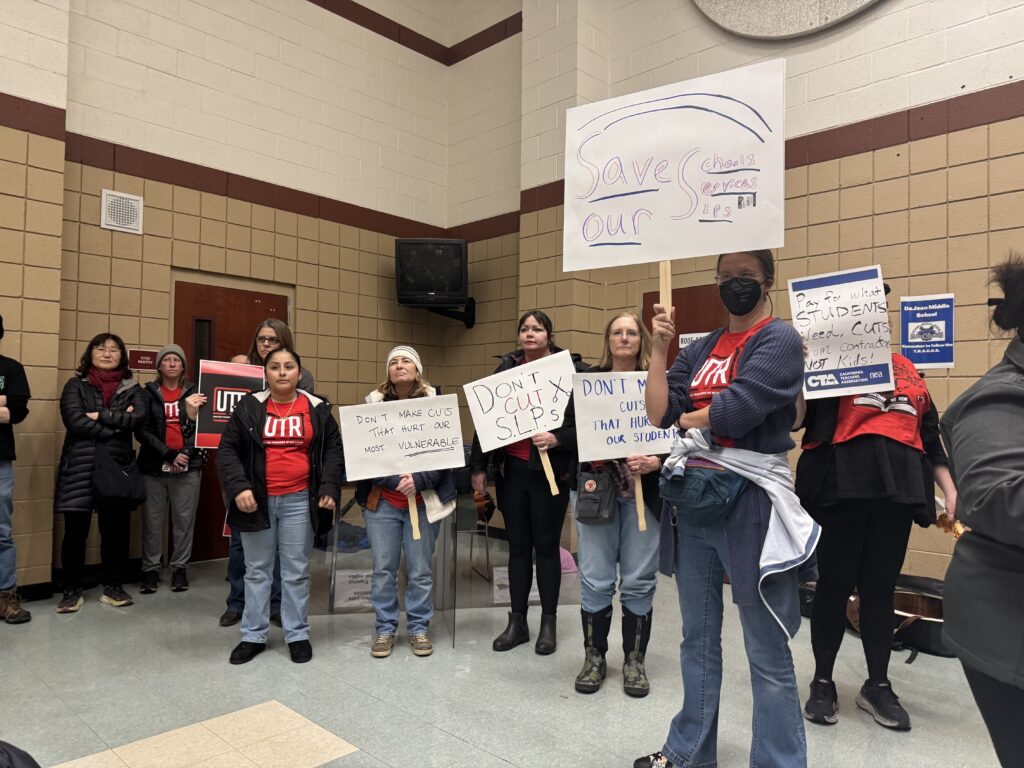
When decisions are made that alter or eliminate programs they believe are vital, educators may feel that their professional judgment and on-the-ground experience are not fully considered.
The Significance of Extended Instructional Time
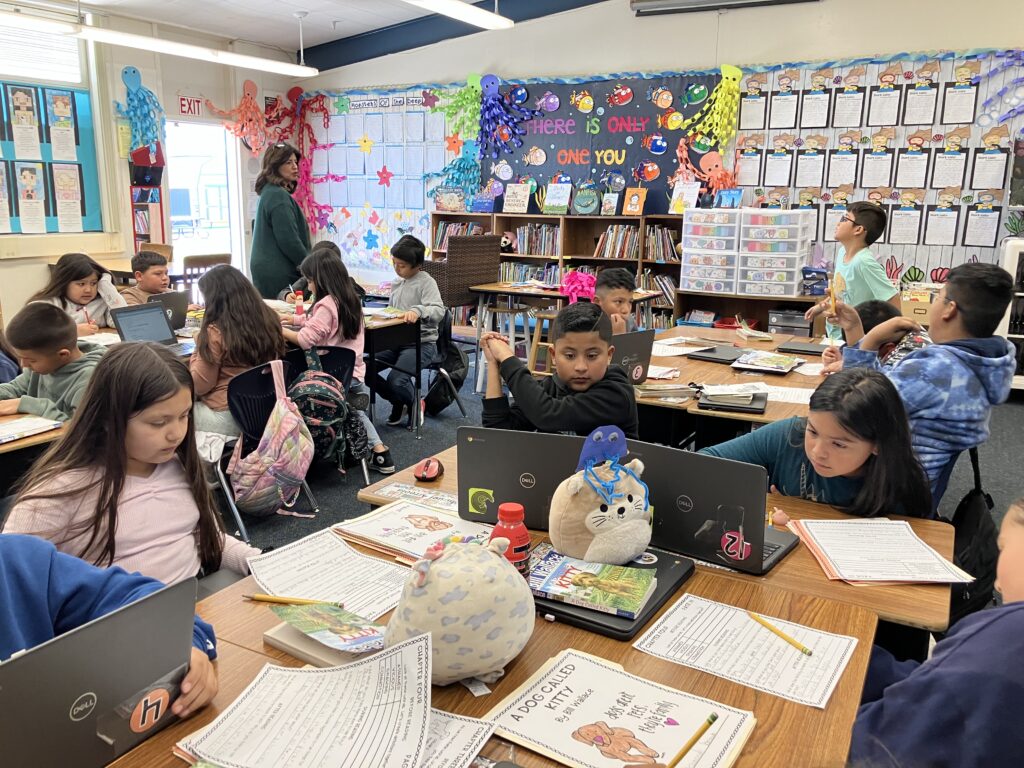
For students who are working to close academic gaps, even small increments of additional learning time can make a significant difference.Thirty extra minutes of daily instruction, for example, can translate into hundreds of additional hours of focused learning over the course of a school year.
This time is often utilized for targeted interventions, small group work, and personalized support, allowing teachers to address individual student needs more effectively.
Teachers often describe how this dedicated time allows them to break down complex concepts, reinforce foundational skills, and provide students with the individualized attention they require.
The ability to work with students in small, proficiency-based groups, targeting specific areas of weakness, is a cornerstone of effective intervention.
This approach, supported by dedicated staff, can lead to tangible improvements in reading, math, and overall academic confidence.
Teacher Compensation and Program Participation
When programs that offer additional compensation for extended work are altered or eliminated, it can have a direct financial impact on teachers.This can lead to feelings of being undervalued and can create a sense of uncertainty about future compensation.
It's a delicate balance for a district to manage, ensuring that teachers are fairly compensated for their efforts while also making fiscally responsible decisions about program funding.
Navigating Program Changes: Communication and Collaboration
The way in which significant program changes are communicated and implemented can greatly influence how they are received by the school community.Transparency, open dialogue, and a genuine effort to involve stakeholders in the decision-making process are crucial for fostering trust and understanding.
The Role of Teacher Input in District Planning
Many educators believe that decisions impacting classroom instruction and student support should involve meaningful input from those who are directly involved in delivering that instruction.When programs are altered without consulting teachers or their representatives, it can lead to a perception that the decision-making process is not classroom-centered.
This can erode trust and create a sense of disconnect between district leadership and the educators on the ground.
The president of a teachers association, when voicing concerns about program cuts, emphasized the importance of respect and value within the district.
The sentiment expressed was that eliminating a program without collaborative discussion felt like a disregard for the contributions of teachers and the needs of students.
This highlights the critical need for a partnership approach to educational reform.
Addressing Concerns About Financial Reserves
Discussions around program funding often involve scrutiny of a district's financial reserves.While districts need to maintain healthy reserves to ensure stability and address unforeseen challenges, there can be public concern if these reserves appear to be growing while programs that directly benefit students are being reduced.
Understanding the specific allocation and constraints of these reserves is important for a complete picture.
District spokespersons often clarify that a significant portion of reserves may already be earmarked for existing financial obligations.
They may also explain that projected budget shortfalls or anticipated future expenses necessitate careful financial planning.
This demonstrates that decisions about program funding are often part of a larger, complex budgetary landscape.
The Future of Targeted Student Support
Even when specific programs are adjusted, the underlying need for targeted support for students remains.The challenge for districts is to find innovative and sustainable ways to meet these needs within evolving financial and educational landscapes.
Leveraging Technology for Enhanced Learning
Platforms like Mentofy offer powerful solutions for delivering personalized learning experiences and supporting teachers.Through features such as adaptive learning modules, real-time progress tracking, and access to a vast library of educational resources, technology can supplement and enhance traditional classroom instruction.
This can be particularly beneficial for students who require additional support or enrichment.
The integration of technology can provide students with opportunities to practice skills at their own pace, receive immediate feedback, and explore topics of interest in greater depth.
For teachers, these platforms can offer valuable insights into student performance, helping them to identify areas where individual students or groups may need additional intervention.
This data-driven approach, facilitated by technology, can empower educators to make more informed instructional decisions.
Professional Development for Educators
Effective professional development is crucial for equipping teachers with the skills and knowledge they need to address the diverse needs of their students.This can include training on new pedagogical approaches, strategies for supporting struggling learners, and the effective use of educational technology.
Investing in teachers' professional growth is an investment in student success.
Mentofy, for instance, can provide educators with access to a wealth of professional development resources, including online courses, webinars, and collaborative forums.
This allows teachers to continuously enhance their skills and stay abreast of the latest best practices in education.
The program's focus on practical application ensures that teachers can translate new learning into tangible benefits for their students.
Conclusion
The decisions made by school districts regarding student support programs are complex and multifaceted, involving careful consideration of data, finances, and the diverse needs of the school community.While the elimination or modification of a long-standing initiative can be met with concern, it often stems from a desire to optimize resources and ensure the most effective outcomes for all students.
The ongoing dialogue between educators and district leaders is vital for navigating these changes.
Ultimately, the commitment to student success remains the guiding principle, and innovative learning platforms, coupled with robust professional development, offer powerful avenues for achieving this goal, ensuring that every student in every district has the opportunity to learn, grow, and thrive.






 Explore AI Teaching Tools
Comments (0)
Please login to comment
No comments yet
Be the first to comment on this article