
California Students' academic Recovery: Navigating Post-Pandemic Learning and Future Success
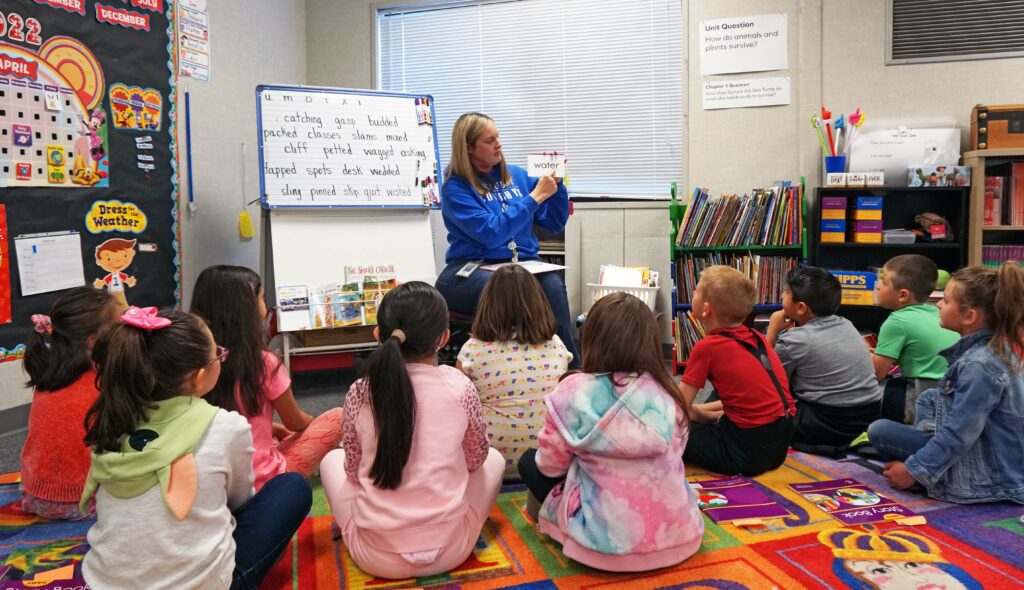
The journey of academic recovery for students is a complex one, especially after unprecedented disruptions.While recent data from California indicates positive momentum in student performance, a deeper look reveals that many students are still striving to reach pre-pandemic academic benchmarks.
This article explores the nuances of these trends, highlighting areas of progress, persistent challenges, and actionable insights for educators and learners alike, all within the context of fostering a robust learning environment.
The Shifting Landscape of Student Achievement in California
Recent years have seen a concerted effort to address the learning gaps that emerged during the pandemic.For students in California, the academic year marked a significant step forward, with notable improvements in standardized test scores across core subjects.
This progress is a testament to the dedication of educators and the resilience of students.
However, it's crucial to understand that these gains, while encouraging, represent a recovery phase rather than a complete return to previous levels of proficiency.
The narrative of student success is not solely defined by test scores, but by the holistic development and equitable opportunities provided to every learner.
Understanding the Latest Performance Metrics
The latest assessments reveal that students across California have demonstrated year-over-year growth in both English and math.Specifically, improvements of approximately 1.8 percentage points in English language arts and mathematics were observed.
Science scores also saw a commendable increase of around 2 percentage points.
These figures represent the most substantial year-over-year gains recorded since before the global health crisis.
This upward trend suggests that targeted interventions and renewed focus on foundational skills are beginning to yield positive results for many students.
The Significance of Proficiency Levels
While the overall increase in scores is positive, it's important to contextualize these gains within the broader spectrum of student achievement.The updated achievement levels – advanced, proficient, developing, and minimal – provide a more granular understanding of student mastery.
A student classified as "proficient" demonstrates a thorough grasp of grade-level standards, while "advanced" signifies a sophisticated level of understanding.
Even with the recent score improvements, the percentage of students reaching these higher levels in English language arts, math, and science remains below pre-pandemic benchmarks.
For instance, while progress is evident, the number of students achieving proficiency in English language arts has not yet surpassed the pre-pandemic figure of over 51%.
This underscores the ongoing need for sustained support and enriched learning experiences.
Addressing Persistent Equity Gaps in Student Outcomes
A critical aspect of California's educational landscape is the persistent disparity in academic performance among different student groups.While overall scores are improving, the pace of recovery and the ultimate attainment of proficiency vary significantly.
This highlights the urgent need to focus on equitable educational opportunities and targeted support for students who have been disproportionately affected by learning disruptions.
The Impact of the Pandemic on Diverse Student Populations
The pandemic exacerbated existing inequalities, and the current data reflects this reality.While progress is being made across the board, the gaps between different demographic groups remain a significant concern.
For example, the number of Black and Latino students achieving proficiency in English and math, while showing some improvement, still lags considerably behind their white and Asian peers.
This disparity is not merely a statistical observation; it represents a challenge to ensuring that every student has the chance to reach their full potential.
Focusing on English Learners and Economically Disadvantaged Students
Students classified as English learners and those from economically disadvantaged backgrounds often face unique hurdles.While there has been a slight increase in the percentage of English learners achieving a "well-developed" level of English proficiency, the overall numbers still indicate a need for more robust support systems.
Similarly, socioeconomically disadvantaged students, despite showing year-over-year gains, remain below pre-pandemic proficiency levels.
These groups require specialized attention, including tailored instructional strategies, access to resources, and culturally responsive teaching practices.
The Widening Math Gender Gap
Another area of concern is the widening math gender gap observed in recent years.While both girls and boys have shown improvements in math and English language arts scores, the rate of improvement in math has been notably faster for boys.
This trend has led to a divergence from pre-pandemic levels, where girls were closing or had closed the gender gap in math proficiency in many California districts.
Understanding the underlying causes, which may include shifts in classroom dynamics, mental health challenges, or societal expectations, is crucial for developing effective interventions.
Strategies for Accelerating Academic Recovery and Fostering Future Success
The path to full academic recovery requires a multifaceted approach that goes beyond standardized test scores.It involves creating learning environments that are engaging, supportive, and responsive to the diverse needs of all students.
Mentofy is committed to providing the tools and resources that empower educators and students to navigate these challenges and build a strong foundation for future learning.
The Role of High-Quality Instruction and tutoring
Research consistently shows that high-dosage tutoring and access to highly trained, culturally competent teachers are pivotal in improving student outcomes, particularly for underserved populations.These strategies provide individualized attention and tailored support, addressing specific learning needs and building confidence.
For students who are struggling, consistent, high-quality instruction is paramount.
Leveraging Technology for personalized learning
In today's educational landscape, technology plays a vital role in personalizing the learning experience.Platforms like Mentofy offer adaptive learning pathways that cater to individual student paces and learning styles.
This is especially beneficial for students who may have fallen behind, allowing them to revisit foundational concepts or accelerate through material they have already mastered.
The effective integration of technology can help bridge learning gaps and ensure that every student receives the support they need to thrive.
Cultivating a Supportive Learning Environment
Beyond academic instruction, fostering a positive and supportive learning environment is essential.This includes addressing students' social and emotional well-being, which has a direct impact on their ability to learn.
Schools that offer wrap-around services, such as health and counseling, can create a more stable and conducive atmosphere for academic growth.
Furthermore, promoting strong teacher-student relationships and peer collaboration can enhance engagement and motivation.
Empowering Educators with professional development
The success of any educational initiative hinges on the effectiveness of its educators.Continuous professional development is crucial for equipping teachers with the latest pedagogical strategies, including those focused on comprehensive English Language Development and integrated instruction for English learners.
By investing in educators, we invest in the future of our students.
The Importance of Data-Driven Decision Making
While state and national data provide valuable insights, understanding the specific needs of local communities is paramount.Utilizing data to identify students who require the most support and to allocate resources effectively is key.
This granular approach ensures that interventions are targeted and impactful, addressing the unique challenges faced by different student groups within a school or district.
Conclusion
The recent academic performance data from California paints a picture of progress and persistent challenges.While students are demonstrating encouraging year-over-year gains in math and English, the journey back to pre-pandemic proficiency levels is ongoing.
The key to accelerating this recovery lies in a steadfast commitment to equity, personalized learning, high-quality instruction, and robust support systems for all students.
By embracing innovative educational approaches and focusing on the holistic development of every learner, we can ensure that California students not only recover from past disruptions but are also well-equipped to excel in the years to come.
Mentofy remains dedicated to supporting this vital mission, providing a global platform for learning that empowers students and educators alike.






 Explore AI Teaching Tools
Comments (0)
Please login to comment
No comments yet
Be the first to comment on this article