
California Students Lead Powerful Protests: Understanding the Movement for Change
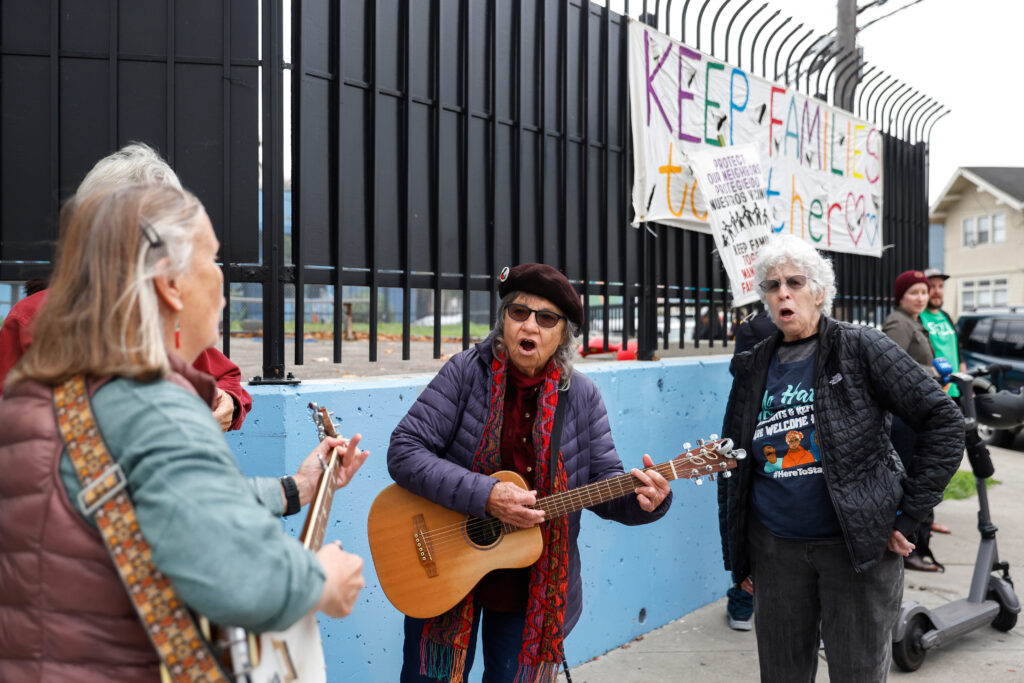
In a powerful display of civic engagement, students across California have actively participated in nationwide demonstrations, raising their voices against immigration enforcement policies.
This movement highlights the profound impact that social and political issues have on young learners and showcases their commitment to advocating for a more just society.
Understanding the motivations and actions behind these student-led protests offers valuable insights into the evolving landscape of activism and the importance of informed participation for students everywhere.
The Rise of Student Activism: A Call for Justice
Recent events have galvanized students, particularly in California, to engage in significant public demonstrations.
These actions are not isolated incidents but rather part of a broader trend where young people are taking a stand on issues that directly affect their communities and their futures.
The protests often stem from deeply felt concerns about human rights, family unity, and the ethical implications of government policies.
For many students, these demonstrations are a crucial way to express solidarity with vulnerable populations and to demand accountability from institutions.
The intensity of these protests underscores a growing awareness among students about the interconnectedness of social justice issues.
When immigration enforcement actions create fear and uncertainty within communities, students feel compelled to act.
This proactive stance demonstrates a sophisticated understanding of how policy decisions can have far-reaching consequences, impacting not only individuals but also the fabric of society.
The willingness of students to walk out of school, organize on campuses, and join larger community gatherings signifies a commitment to transforming apprehension into organized, impactful action.
Key Demands and Motivations Behind the Protests
At the heart of these student-led movements are clear and urgent demands.
A central theme resonating throughout the protests is the call for the abolition of Immigration and Customs Enforcement (ICE).
This demand reflects a profound dissatisfaction with the agency's practices and their perceived human rights implications.
Students have articulated their opposition through powerful slogans and direct action, aiming to bring public attention to their grievances.
The motivations driving these students are multifaceted.
For many, the protests are an act of solidarity with undocumented students and their families.
Research indicates that a significant number of children in California, estimated to be around 83,000, are undocumented themselves, while many more have family members who are.
This personal connection fuels a deep sense of empathy and a desire to protect those most vulnerable.
The fear that immigration raids can instill in immigrant communities is a palpable concern, and students are actively working to counter that fear with organized support and advocacy.
Furthermore, the protests often highlight a stark contrast between the ideals of education and the realities of deportation.
Slogans such as "Education not deportation" and "Raise hell, melt ICE" encapsulate this sentiment.
Students are advocating for policies that prioritize learning and opportunity over separation and expulsion.
The emotional toll of witnessing or hearing about children being detained, sometimes in distressing circumstances, has also been a significant catalyst.
The image of a young child being detained after returning from school serves as a potent reminder of the human cost of current immigration policies, and students have made it their mission to amplify these stories and demand a more compassionate approach.
Organizing and Mobilization: How Students Take Action
The effectiveness of these student-led movements is a testament to their organizational skills and dedication.
Students have employed a variety of tactics to make their voices heard, demonstrating a remarkable capacity for mobilization.
These actions range from coordinated walkouts from K-12 schools and universities to participation in larger, community-wide demonstrations.
One notable aspect of these protests is the strategic use of school walkouts.
By leaving classrooms, students send a clear message that the issues at hand are so critical that they warrant a disruption of their daily educational routines.
These walkouts are often well-planned, with students coordinating their efforts across different schools and districts.
In some instances, large marches on government buildings, such as the Capitol, have been organized, drawing significant attention to their cause.
The presence of protests in virtually every region of California, spanning both K-12 and higher education campuses, underscores the widespread nature of this student-led movement.
Beyond physical demonstrations, students have also leveraged social media and campus platforms to spread awareness and mobilize support.
Online campaigns and the sharing of personal stories have played a crucial role in amplifying their message.
University student groups, including academic associations and political clubs, have often been at the forefront of these efforts, lending their organizational infrastructure and collective voice to the cause.
The endorsement of these protests by faculty associations further strengthens the movement, demonstrating a unified front between students and educators.
The concept of a "national shutdown" has also been a significant organizing principle.
This strategy encourages widespread participation by urging individuals to refrain from work, school, and commerce for a day, thereby demonstrating the collective power of the community.
This approach aims to disrupt normal operations and force a broader societal conversation about the issues at stake.
The success of such initiatives often depends on widespread endorsement from various organizations and a strong grassroots effort to communicate the call to action.
The Role of Educational Institutions and Policy
Educational institutions in California have navigated a complex landscape in response to student protests.
While respecting students' rights to free expression, schools have also had to consider attendance policies and the potential impact of walkouts on academic progress.
Many school districts have issued statements acknowledging students' right to express themselves on issues that matter to them, while also providing guidance on how to do so safely and constructively on campus.
The legal framework surrounding student activism has also come into play.
Education codes in California explicitly allow middle and high school students to be absent from school for civic or political events, provided proper notification is given to the school.
This provision has been cited by school districts when excusing absences related to protests, reinforcing the idea that civic engagement is a valuable part of a student's education.
The emphasis on advance notification and the potential for excused absences highlight a balance between maintaining school order and supporting students' constitutional rights.
However, the practical implementation of these policies can vary.
While some districts have been supportive, others may have stricter interpretations of attendance rules, potentially leading to unexcused absences for students participating in off-campus protests.
This creates a dynamic where students must weigh the potential academic consequences against their commitment to activism.
The proactive stance of some school districts in preparing to support student expression on campus, offering resources and opportunities for dialogue, suggests a growing recognition of the importance of addressing student concerns within the school environment itself.
Broader Impact and Future Implications
The student-led protests in California and across the nation have had a significant impact, raising public awareness and prompting discussions about immigration policies and human rights.
These movements demonstrate the power of collective action and the crucial role that young people play in shaping societal discourse and driving change.
The courage and conviction shown by these students serve as an inspiration and a model for civic engagement.
The long-term implications of these protests are substantial.
They have the potential to influence policy decisions, shift public opinion, and empower future generations of activists.
By actively participating in the democratic process, students are not only advocating for immediate change but also developing essential skills in leadership, organization, and advocacy that will serve them throughout their lives.
The experience of organizing and participating in such movements can be a profound educational journey in itself, fostering a deeper understanding of civic responsibility and the power of a united voice.
For students everywhere, these events underscore the importance of staying informed about current events and understanding the issues that affect their communities.
Mentofy is committed to providing learners with the knowledge and resources they need to engage critically with the world around them.
By understanding the historical context, the motivations, and the strategies employed by student activists, learners can better appreciate the dynamics of social change and their own potential to contribute to a more just and equitable future.
Conclusion
The widespread participation of California students in nationwide anti-ICE protests represents a powerful testament to their commitment to social justice and their willingness to advocate for change.
These movements, driven by deeply held concerns for human rights and the well-being of vulnerable communities, showcase the evolving landscape of student activism.
Through organized walkouts, campus demonstrations, and broader community engagement, students have effectively transformed fear into a force for positive action.
Understanding the motivations, strategies, and the broader societal implications of these protests offers invaluable insights for learners seeking to engage with the world and make a meaningful impact.
The dedication of these students highlights the enduring power of collective voices in shaping a more compassionate and equitable future for all.






 Explore AI Teaching Tools
Comments (0)
Please login to comment
No comments yet
Be the first to comment on this article