
California School Dashboard: Navigating Progress and Persistent Challenges for Students
The California School Dashboard offers a vital snapshot of educational performance across the state, revealing areas of significant advancement alongside persistent hurdles that impact students.
Understanding these trends is crucial for educators, parents, and policymakers aiming to foster a more equitable and effective learning environment for every student in California.
This analysis delves into the key indicators, celebrates successes, and confronts the ongoing challenges, providing actionable insights for improvement.
Unpacking the California School Dashboard: A Comprehensive Overview
The California School Dashboard serves as a critical tool for evaluating the health and effectiveness of the state's K-12 education system.
It moves beyond simple test scores to provide a multi-faceted view of school and district performance.
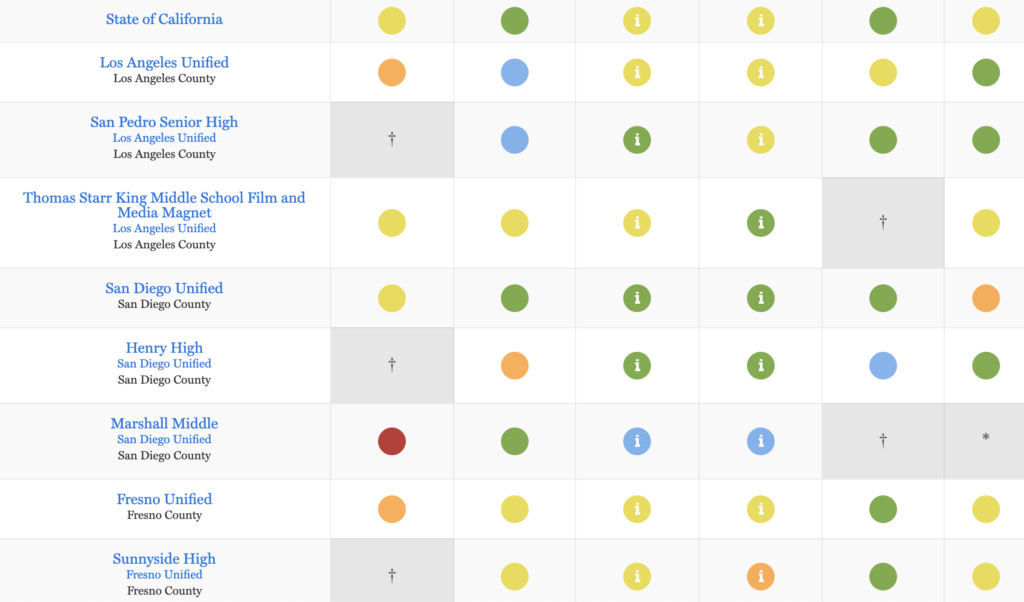
Each year, this comprehensive report, released by the California Department of Education, analyzes a range of indicators, offering a color-coded system to visually represent performance levels.
This system, ranging from blue (highest performance) to red (lowest performance), helps identify schools and districts that are excelling and those that require additional support.
The dashboard's evolution reflects a growing understanding that student success is influenced by a multitude of factors, not just academic achievement.
The core indicators examined by the dashboard provide a holistic picture of the educational landscape.
These include:
- Academic Performance: Measuring student proficiency in core subjects like English Language Arts and mathematics.
- Chronic Absenteeism Rates: Tracking the percentage of students who miss 10% or more of the school year, impacting learning continuity.
- College and Career Readiness: Assessing how well students are prepared for post-secondary education and the workforce.
- English Learner Progress: Monitoring the development and academic growth of students learning English.
- Graduation Rates: Indicating the percentage of students who successfully complete high school within a specified timeframe.
- Suspension Rates: Examining disciplinary actions within schools, which can affect student engagement and learning environments.
Performance is evaluated not only on current year results but also on the trajectory of improvement from the previous year.
This dual focus allows for recognition of sustained effort and progress, even in areas where performance may not yet be at the highest level.
The dashboard's structure is designed to be accessible, enabling stakeholders to quickly grasp the overall status of a school or district and pinpoint specific areas needing attention.
For the 2025 reporting year, a notable shift occurred, with all statewide indicators falling within the yellow or green performance bands, signifying a reduction in the number of school districts requiring direct intervention from their county offices of education.
This marks a positive trend, indicating a statewide move towards improved performance across key metrics.
Celebrating Progress: Gains in Key Educational Metrics
The latest data from the California School Dashboard highlights encouraging advancements in several critical areas, demonstrating the positive impact of targeted strategies and increased investment in K-12 education.
These gains offer a beacon of hope and a testament to the dedication of educators and communities across California.
The consistent, albeit incremental, improvements in graduation rates and academic achievement are particularly noteworthy, suggesting that focused interventions are beginning to yield tangible results for students.
Rising Graduation Rates: A Pathway to Future Success
One of the most significant achievements reflected in the dashboard is the steady improvement in graduation rates.
For many school districts, this represents a crucial step in ensuring that students are equipped with the foundational knowledge and skills necessary for their next chapter.
The pandemic presented unprecedented challenges to student progression, and the subsequent recovery in graduation rates is a testament to the resilience and adaptability of the educational system.
Districts have implemented a variety of proactive measures to support students on their path to graduation.
Strategies contributing to these improved graduation rates often include:
- Early Intervention Programs: Identifying students at risk of falling behind early in their academic careers and providing tailored support.
- Enhanced Counseling Services: Increasing the number of counselors available to provide academic guidance, emotional support, and college/career planning.
- Credit Recovery Options: Offering flexible pathways for students to earn necessary credits, such as summer school or online courses.
- Community School Models: Integrating academic, health, and social services to address the holistic needs of students and families.
- Parental Engagement Initiatives: Empowering parents with the knowledge and tools to support their child's academic journey, including understanding graduation requirements.
For example, districts like Lynwood Unified have demonstrated remarkable progress, significantly boosting their graduation rates by implementing intentional support systems.
This focus on early intervention and building strong relationships between students and school staff has been pivotal.
When students feel connected and supported, their motivation and commitment to academic success naturally increase, leading to better outcomes.
The emphasis on creating an inclusive and welcoming school environment where every student feels valued is a cornerstone of this success.
Academic Achievement on the Rise
Beyond graduation, the dashboard also indicates positive movement in academic achievement, particularly in core subjects like English Language Arts and mathematics.
While these gains may be described as incremental, they represent a crucial upward trend.
The data suggests that investments in educational resources and pedagogical approaches are beginning to translate into improved student learning outcomes.
This progress is vital for ensuring that students are not only completing their schooling but are also developing a strong foundation for future learning and problem-solving.
Key factors contributing to academic gains often involve:
- Targeted Literacy Initiatives: Programs designed to enhance reading and writing skills from early grades through high school, including the provision of literacy coaches and reading specialists.
- Data-Driven Instruction: Utilizing student performance data to inform teaching strategies and personalize learning experiences.
- Curriculum Enhancements: Updating and refining curriculum to align with current educational standards and best practices.
- Professional Development for Educators: Equipping teachers with the latest tools and techniques to effectively engage students and address learning gaps.
The San Diego Unified School District, for instance, has reported substantial improvements in English Language Arts and math scores.
This success is attributed to a strategic focus on key goals and a commitment to regularly monitoring student outcomes.
By analyzing data multiple times a year and ensuring that this information is actionable for principals and teachers, the district has fostered a culture of continuous improvement.
This approach emphasizes that data should not just be collected but actively used to inform and adapt instructional practices in real-time, making learning more responsive to student needs.
Addressing the Persistent Challenge: Chronic Absenteeism
Despite the positive strides in other areas, chronic absenteeism remains a significant and pervasive challenge for many schools across California.
This issue, defined by students missing 10% or more of the school year, has a profound impact on academic performance, engagement, and overall student well-being.
While there have been some improvements, the rates of chronic absenteeism are not declining as rapidly as desired, particularly for certain student demographics.
Understanding the root causes and implementing effective strategies to combat this issue is paramount for ensuring equitable educational opportunities for all students.
Understanding the Scope of Chronic Absenteeism
The dashboard data reveals that chronic absenteeism rates, while lower than their peak during recent challenging years, still affect a substantial portion of the student population.
This persistent issue disproportionately impacts vulnerable student groups, including those experiencing homelessness, in foster care, and students from specific racial and ethnic backgrounds such as Pacific Islander, Black, and Native American students.
These groups often face a complex interplay of socioeconomic, environmental, and systemic factors that can contribute to attendance difficulties.
The impact of chronic absenteeism extends far beyond missed instructional time.
Students who are chronically absent are:
- More likely to fall behind academically.
- At higher risk of disengaging from school.
- Less likely to graduate on time.
- More susceptible to negative social and emotional outcomes.
The slowing rate of improvement in chronic absenteeism suggests that the strategies currently in place may need to be intensified or re-evaluated.
The problem is multifaceted, often stemming from issues such as transportation difficulties, health concerns, family responsibilities, mental health challenges, and a lack of engagement with the school environment.
Addressing this requires a comprehensive and collaborative approach involving schools, families, and community partners.
Strategies for Re-engaging Students and Families
Effective interventions for chronic absenteeism focus on early identification, proactive outreach, and building strong relationships.
Districts that have successfully reduced absenteeism often employ a combination of data analysis, consistent communication, and targeted support.
Successful strategies include:
- Data Monitoring and Analysis: Regularly tracking attendance data to identify students at risk of becoming chronically absent and understanding the patterns of absence.
- Early Family Engagement: Reaching out to families as soon as attendance concerns arise, fostering open communication and collaborative problem-solving.
- Personalized Support Plans: Developing individualized plans for students struggling with attendance, addressing specific barriers they face.
- School-Based Support Services: Providing access to resources such as school nurses, counselors, and social workers to address health and well-being issues.
- Positive Reinforcement: Implementing programs that recognize and reward good attendance to encourage student motivation.
- Addressing Root Causes: Working with families to overcome barriers like transportation, housing instability, or mental health challenges.
The experience of Saratoga Union School District offers a compelling example of how a data-driven, proactive approach can yield significant results.
By fostering constant communication among staff, meticulously collecting and analyzing attendance data, and engaging families early, this district managed to reduce chronic absenteeism to a mere 5%.
Their strategy involved weekly principal meetings to review attendance data and share effective re-engagement tactics.
Furthermore, they formed a dedicated committee to develop protocols for addressing absences before they escalated, recognizing that early intervention is key to successful re-engagement.
This district's experience highlights the critical importance of a swift and supportive response when students begin to struggle with attending school.
Disparities in Performance: Ensuring Equity for All Students
While the California School Dashboard showcases overall progress, a deeper examination reveals persistent disparities in performance among different student groups.
These gaps underscore the critical need for equitable resource allocation and targeted interventions to support students who are most in need.
The dashboard data consistently points to specific student populations facing greater challenges in achieving academic success and overall school engagement.
Identifying Vulnerable Student Groups
Research and data analysis consistently show that students with disabilities, socioeconomically disadvantaged students, English learners, and homeless students often experience lower performance rates across various dashboard indicators.
These groups may face a confluence of challenges, including limited access to resources, systemic barriers, and the lingering effects of societal inequities.
Addressing these disparities is not just a matter of fairness but a fundamental requirement for building a truly inclusive and effective educational system for every student in California.
The persistence of these achievement gaps highlights the need for:
- Culturally Responsive Teaching: Educational approaches that acknowledge and value the diverse backgrounds and experiences of students.
- Targeted Academic Support: Providing individualized tutoring, specialized instruction, and supplementary learning materials for students who need them.
- Social-Emotional Learning (SEL) Programs: Implementing programs that help students develop self-awareness, self-management, social awareness, relationship skills, and responsible decision-making.
- Wraparound Services: Connecting students and families with essential support systems, including healthcare, mental health services, and social support.
- Equitable Resource Distribution: Ensuring that schools serving high-needs populations receive adequate funding and resources to meet their students' unique requirements.
The call for a statewide plan to accelerate student performance, as advocated by educational leaders, emphasizes the urgency of addressing these persistent gaps.
While incremental gains are welcome, they cannot mask the reality that academic performance is not improving fast enough to meet the diverse needs of California's 5.8 million students.
A concerted, statewide effort is required to dismantle the barriers that prevent certain student groups from reaching their full potential.
The Role of State Investments and Funding
California's commitment to K-12 education is reflected in its significant state budget allocations.
The 2024 California state budget, which set aside a record $133.8 billion for K–12 education, represents the highest per-pupil state funding ever for California students.
This substantial investment is intended to support a range of initiatives aimed at improving student outcomes, including transitional kindergarten expansion and accelerated learning programs.
Such robust funding is a critical enabler for implementing the strategies necessary to close achievement gaps and support all students.
Specific funding initiatives that contribute to these efforts include:
- Literacy Coaches and Reading Specialists Grant Program: An additional $215 million was allocated to this program to bolster literacy support for students.
- Community School Funding: Investments in community school models that provide integrated student supports.
- Programs for English Learners: Resources dedicated to supporting the academic progress of students learning English.
- Special Education Services: Funding to ensure students with disabilities receive appropriate and effective educational services.
The philosophy behind these investments is clear: the more time, energy, and resources dedicated to students, the brighter their future can be.
This commitment to funding is a crucial foundation for addressing the complex challenges identified in the California School Dashboard and for fostering a more equitable and high-achieving educational system.
Conclusion: Charting a Course for Continued Improvement
The California School Dashboard provides an invaluable, albeit complex, picture of the state's educational landscape.
While celebrating the documented progress in graduation rates and academic achievement, it is imperative to acknowledge and confront the persistent challenges, most notably chronic absenteeism and the enduring achievement gaps among various student groups.
The record-breaking state funding for K-12 education offers a powerful opportunity to double down on effective strategies, innovate new approaches, and ensure that every student in California has the support they need to thrive.
By leveraging data, fostering collaboration, and prioritizing equity, the state can continue to navigate these complexities and build a more promising future for all its students.







 Explore AI Teaching Tools
Comments (0)
Please login to comment
No comments yet
Be the first to comment on this article