
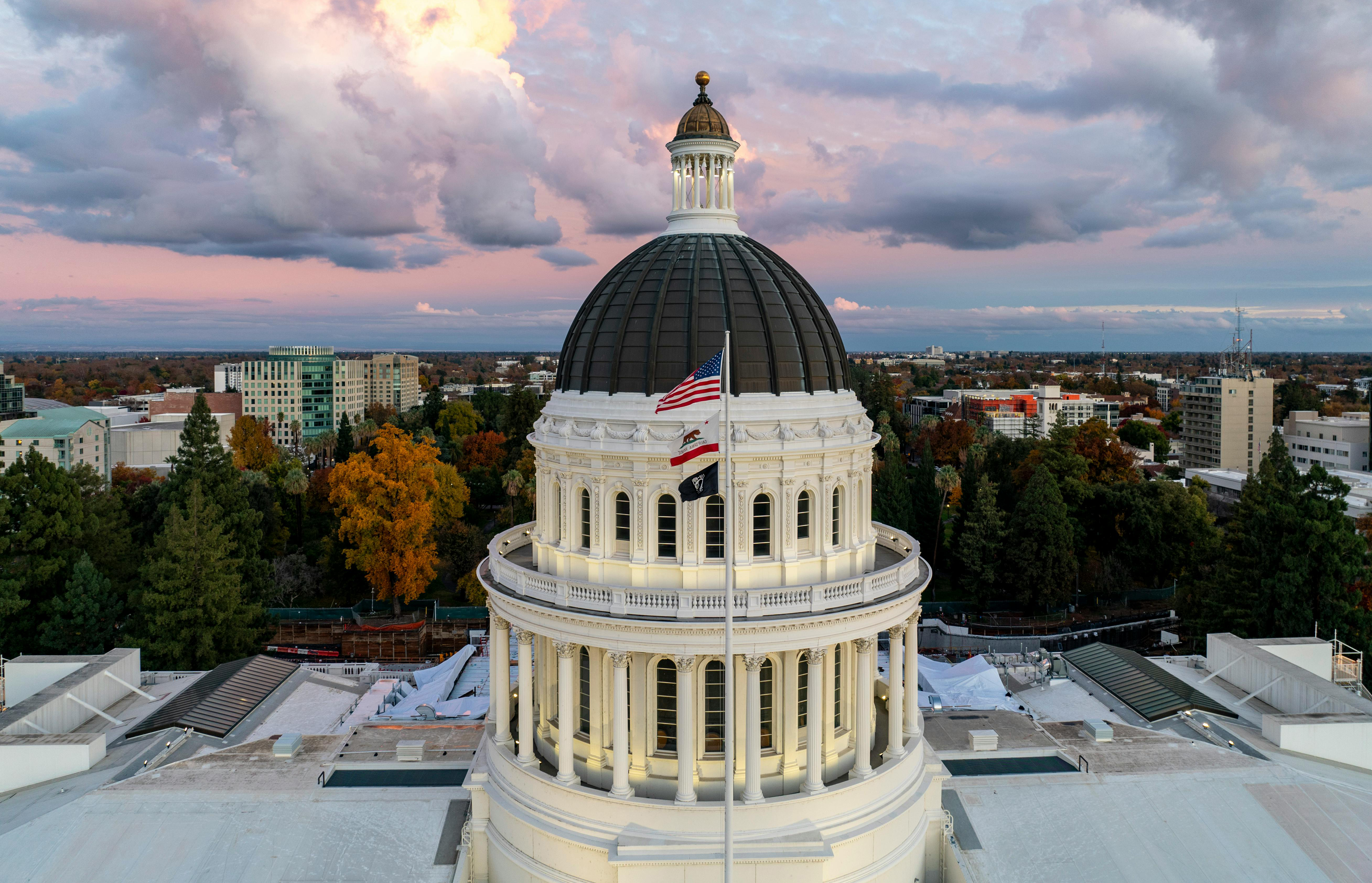
California Governor's Race: Deep Divides Emerge on Schools, Funding, and Student Futures
With a staggering 61 candidates vying for the state's top executive position, the upcoming gubernatorial primary in California presents a complex and often contradictory landscape for the future of its education system. While a rare consensus exists on the alarming state of student test scores, the paths proposed to rectify this situation diverge dramatically, revealing fundamental disagreements on the role of government, the allocation of resources, and even the very definition of a supportive school environment.
A Wake-Up Call for California's Students
A striking point of agreement among nearly all major candidates is the urgent need to address declining student achievement. State data paints a stark picture: less than half of California students are meeting proficiency standards in English Language Arts, with even lower numbers in math and science. This widespread underperformance has become a central talking point, resonating with educators and parents alike.
One candidate, a former educator himself, described the situation as a "five-alarm fire," emphasizing the long-term social and economic consequences for students and the state. He advocates for targeted interventions like high-dosage tutoring and rigorous accountability for adopting evidence-based literacy programs. Another candidate has proposed a system that rewards teachers for student academic gains while providing additional support for those whose students struggle, directly linking educator performance to student outcomes.
Conversely, a prominent candidate has declared the current state of government-run schools an "outrageous scandal," vowing to hold teachers accountable by rewarding the best and dismissing the worst. This approach includes a controversial proposal to retain students in third grade until they achieve reading proficiency, aiming to tackle the root causes of academic failure early on.
The Funding Divide: More Money or Smarter Spending?
Education funding consistently ranks as a top priority for Californians, with a significant portion of the electorate believing K-12 education deserves the highest level of state government spending. Yet, on this critical issue, the candidates are sharply divided, reflecting contrasting ideologies about the state's fiscal responsibilities.
Several Democratic candidates champion increased investment in public schools, proposing to generate new revenue through higher taxes on corporations and wealthy individuals. This influx of funds, they argue, is essential for raising teacher salaries, improving school infrastructure, and expanding vital programs. One candidate envisions a comprehensive five-year plan to ensure all students are reading proficiently by third grade, coupled with mandatory kindergarten and robust career training initiatives.
In stark contrast, Republican candidates assert that California schools do not require additional funding. Their focus is on identifying and cutting wasteful spending within existing budgets. They advocate for reforms such as expanding career technical education, promoting high-performing charter schools, and ensuring a stronger emphasis on core academic subjects. These candidates also prioritize increasing funding for teacher training and recruitment, alongside bolstering mental health supports and ensuring a law enforcement presence on every school campus.
The Shifting Sands of Enrollment and Revenue
A significant challenge facing many school districts, often overlooked in broader discussions, is the impact of declining enrollment. This trend directly affects school revenue, as funding models in California are still largely tied to average daily attendance rather than the total number of students enrolled. Some candidates are highlighting this issue, proposing a shift to an enrollment-based funding system to provide greater financial stability for schools grappling with shrinking student populations.
Making Higher Education Accessible: A Dream Deferred?
The rising cost of higher education in California is a growing concern for families across the state. For students in the University of California system, the annual cost can approach $47,000, while the California State University system ranges from $26,000 to $37,000. This financial burden is prompting calls for greater affordability and accessibility.
Some candidates are making ambitious promises to make higher education more affordable, even free. One candidate proposes a sweeping vision of free education from universal preschool through community college. Another advocates for tuition-free state universities for California residents, funded by increased corporate taxes, harkening back to a time when public higher education was largely tuition-free.
Other candidates are focusing on expanding existing financial aid programs, increasing dual-enrollment opportunities for high school students, growing career technical education, and streamlining the transfer process from community colleges to four-year universities. These approaches aim to reduce financial barriers and create clearer pathways to post-secondary success without necessarily eliminating tuition entirely.
Culture Wars Invade the Classroom
Beyond academic and financial concerns, the gubernatorial race has also become a battleground for contentious social issues, with several candidates championing policies that directly impact students' identities and school environments. These "culture war" issues are taking center stage, often overshadowing traditional education debates.
One candidate has made it a priority to implement policies requiring parental notification when students express gender identity concerns and to restrict transgender athletes from participating in girls' sports. This stance is framed as a measure to ensure safety and protect traditional athletic divisions. The same candidate also opposes the phasing out of gas-powered school buses and advocates for the removal of vaccination requirements for school attendance.
These socially conservative positions often clash with the prevailing political climate in California, where Democrats hold a veto-proof supermajority in both legislative houses. This creates a dynamic where gubernatorial promises may face significant hurdles in becoming state policy.
Navigating the Political Landscape
Despite the governor's significant power in shaping the state budget and appointing officials, the legislative dominance of one party presents a formidable challenge for candidates proposing sweeping changes, particularly those that diverge from established progressive policies. This reality means that many campaign promises, especially those related to social issues or significant budget reallocations, may be difficult to enact without broad legislative support.
Conversely, candidates aligned with the dominant party are focusing on initiatives that resonate with their base, such as closing tax loopholes and taxing billionaires to increase funding for education and healthcare. They also emphasize protecting students and families by advocating for policies that keep immigration enforcement out of schools, a sentiment that holds considerable sway in California.
Beyond the Headlines: Addressing Systemic Challenges
Education policy experts are urging candidates to move beyond surface-level discussions and tackle deeper, systemic issues plaguing the state's education system. Among the most pressing concerns are chronic absenteeism, declining enrollment, and a looming teacher shortage.
Chronic absenteeism, defined as missing 10% or more of the school year, has reached crisis levels, impacting nearly one in five students. This widespread absence has profound implications for student learning and academic progress. Experts also point to alarming reports that half of California's teachers are considering leaving the profession, a trend that threatens to exacerbate existing staffing shortages and negatively impact the quality of education.
The Governor's Evolving Role in Education
This election cycle holds particular significance for California's schools due to a potential shift in how the state's education department is structured. There is a proposal to move the California Department of Education (CDE) under the direct control of the governor's office. Proponents argue this consolidation would allow for better alignment of timelines, infrastructure, and implementation strategies, leading to more equitable outcomes for educational initiatives.
This proposed change could empower the governor to exert greater influence over the state's educational direction, streamlining the connection between policy decisions and their on-the-ground implementation. Such a move could foster a more cohesive and responsive education system, but it also places immense responsibility on the shoulders of the incoming governor to effectively manage this expanded role.
Unions Weigh In: Endorsements and Influence
California's powerful education unions are playing a significant role in the gubernatorial race, strategically endorsing candidates who they believe will best represent the interests of teachers and school employees. Historically, major unions had aligned behind a candidate who has since withdrawn from the race.
Now, the California Teachers Association has thrown its support behind one of the leading Democratic candidates. Other influential unions, representing hundreds of thousands of school employees, are still deliberating their endorsements, signaling the ongoing strategic maneuvering within the labor movement.
A Financial Landscape Dominated by One Candidate
The financial landscape of the gubernatorial race is heavily skewed, with one candidate's campaign contributions dwarfing all others. This individual has self-funded the vast majority of their campaign, amassing a war chest that significantly outpaces their rivals. While other candidates have received contributions from businesses, unions, and individual donors, the sheer volume of funding concentrated in one campaign raises questions about its potential influence on policy discussions and election outcomes.







 Explore AI Teaching Tools
Comments (0)
Please login to comment
No comments yet
Be the first to comment on this article