
Navigating Graduation Pathways: Insights for Students and Institutions
Embarking on higher education is a significant journey, and for many students, the ultimate goal is a successful graduation.As institutions strive to support this crucial milestone, understanding the nuances of graduation rates, especially within large university systems, becomes paramount.
This article delves into the latest trends and challenges surrounding student progression, offering valuable insights for students aiming to complete their degrees and for educational leaders seeking to enhance their support systems.
We will explore the complexities of graduation timelines, identify key factors influencing student success, and highlight strategies that can make a tangible difference.
The Evolving Landscape of Graduation Rates
The pursuit of higher education is often measured by the successful attainment of a degree.For students, this represents the culmination of years of hard work and dedication.
For the institutions that serve them, it's a key indicator of effectiveness and student support.
Recent analyses within a prominent state university system reveal a mixed picture regarding graduation progress as a significant initiative approaches its conclusion.
While there have been strides in certain areas, persistent challenges remain, underscoring the dynamic nature of student success.
Freshman Four-Year Graduation Trends
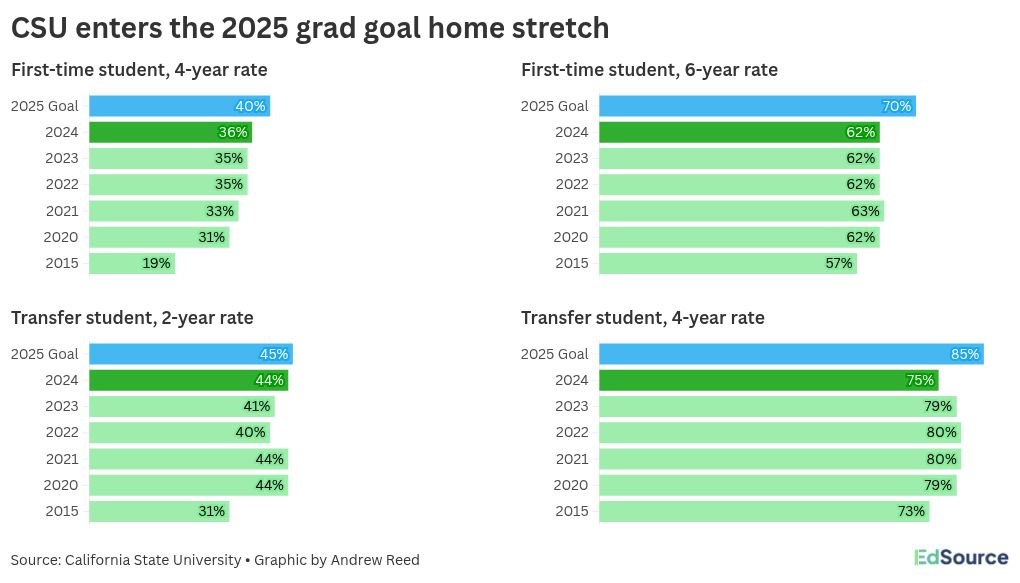
Studies indicate a slight upward movement in the four-year graduation rate for freshmen entering the university system.This metric, which tracks students who complete their bachelor's degrees within four years of initial enrollment, has seen a modest increase.
However, this gain, though positive, falls short of ambitious targets set for the near future.
This suggests that while efforts to accelerate degree completion are yielding some results, further refinement and intensified support are necessary to meet established goals.
The journey for many students is complex, and achieving a four-year graduation requires consistent progress and timely access to resources.
Six-Year Freshman Graduation Plateau
Despite the small gains in four-year completion, the six-year graduation rate for freshmen has shown a tendency to plateau.This means that a significant portion of students who began their academic careers are still taking longer than the traditional six years to earn their degrees.
This stagnation is a critical concern, as it indicates that a substantial number of students are facing obstacles that delay their graduation.
The university system has observed that this rate remains considerably below its ultimate objective, highlighting the ongoing need to address systemic issues that impede long-term student success.
Transfer Student Graduation Dynamics
The experience of transfer students, who often enter a university system with some college credits already earned, presents a different set of challenges and successes.For those aiming for a two-year completion after transferring, the system is remarkably close to achieving its target rate.
This suggests that for a specific segment of transfer students, the transition and subsequent academic progression are largely on track.
However, when examining the longer-term outcomes for transfers – specifically, their four-year graduation rates – a decline has been observed.
This disparity indicates that while initial transitions might be smoother for some, sustained progress over a longer period can still be a hurdle.
Factors Influencing Student Progression
Understanding why students succeed or face delays in their academic journeys requires a deep dive into the multifaceted factors that impact their experience.Research consistently shows that a student's path to graduation is not solely determined by academic aptitude but is significantly shaped by a confluence of personal, social, and institutional elements.
The Impact of Support Services
The effectiveness of university support services is a critical determinant of student success.These services, ranging from academic advising and tutoring to mental health counseling and career services, are designed to provide a safety net and a springboard for students.
However, questions persist about whether these services are adequately reaching all students and addressing their diverse needs.
Studies indicate that the perceived helpfulness and accessibility of these resources can directly influence a student's ability to overcome academic challenges and remain engaged with their studies.
The university system has voiced a commitment to re-examining these support structures to ensure they are truly impactful.
Addressing Equity Gaps in Graduation Rates
A persistent and significant challenge within higher education is the disparity in graduation rates among different student populations.Research consistently highlights a gap between students who receive financial aid, such as Pell Grants, which often indicates lower socioeconomic backgrounds, and their more affluent peers.
This equity gap suggests that students facing greater financial pressures or coming from less privileged backgrounds may encounter additional barriers to completing their degrees.
These barriers can include the need to work extensive hours, family responsibilities, and limited access to resources that more affluent students might take for granted.
Closing these gaps is not just a matter of fairness but is essential for ensuring that higher education serves as a true engine of opportunity for all students.
The Role of Basic Needs and Well-being
Beyond academic and financial considerations, students' fundamental well-being plays a crucial role in their ability to thrive in a university setting.Issues such as food insecurity, housing instability, and mental health challenges can profoundly affect a student's focus, motivation, and overall capacity to succeed academically.
When students are struggling to meet their basic needs, their academic performance is often the first to suffer.
Therefore, institutions that proactively address these concerns through comprehensive support programs are better positioned to foster a more equitable and supportive learning environment for all students.
Strategies for Enhancing Student Success
Improving graduation rates and ensuring that all students have the opportunity to succeed requires a proactive and multifaceted approach from educational institutions.This involves not only identifying the challenges but also implementing evidence-based strategies to overcome them.
Proactive Academic Advising and Mentorship
Effective academic advising and mentorship are cornerstones of student success.Beyond simply helping students choose courses, advisors and mentors can play a vital role in guiding students through their academic journey, identifying potential roadblocks early on, and connecting them with appropriate resources.
A system that fosters strong relationships between students and their academic support network can significantly improve persistence and timely graduation.
This includes regular check-ins, personalized guidance, and encouragement to help students stay on track and motivated.
Streamlining Support Systems and Reducing Bureaucracy
For students facing challenges, navigating complex university systems can be an added burden.Initiatives aimed at simplifying access to support services, reducing bureaucratic hurdles, and making it easier for students to re-engage after a period of absence are crucial.
When students have stopped out, the process of returning should be as smooth and supportive as possible.
This requires a concerted effort to identify and remove administrative barriers that might discourage students from seeking help or returning to their studies.
Leveraging Data for Early Intervention
The use of data analytics can be a powerful tool for identifying students who may be at risk of falling behind or dropping out.By tracking key indicators of student engagement and academic progress, institutions can intervene early and offer targeted support before issues become insurmountable.
This proactive approach allows for personalized interventions tailored to individual student needs, increasing the likelihood of successful outcomes.
This system of early warning and intervention is vital for keeping students on the path to graduation.
Fostering a Sense of Belonging and Community
A strong sense of belonging and community is essential for student retention and success.When students feel connected to their campus, their peers, and the broader university community, they are more likely to be engaged, motivated, and resilient.
Institutions can foster this sense of belonging through various initiatives, including student organizations, mentorship programs, and inclusive campus events.
Creating an environment where every student feels valued and supported is a critical step in ensuring that they have the best possible chance to graduate.
The Broader Impact of Graduation Rates
The significance of graduation rates extends far beyond the statistics themselves.For students, earning a degree opens doors to enhanced career opportunities, greater earning potential, and personal fulfillment.
For the state and society, a well-educated populace contributes to economic growth, innovation, and civic engagement.
Economic Benefits for Graduates
Studies consistently show that individuals who complete their college degrees earn significantly more over their lifetimes compared to those who do not.Faster graduation means entering the workforce sooner, leading to increased earning potential and a quicker return on investment for the educational endeavor.
Furthermore, timely graduation can save students substantial amounts of money on tuition and fees that would otherwise be incurred by extending their studies.
This financial advantage is a critical component of the value proposition of higher education.
Societal Contributions of Educated Citizens
A highly educated population is a cornerstone of a thriving society.Graduates are more likely to be engaged citizens, contribute to their communities, and drive innovation in various fields.
By ensuring that more students successfully graduate, universities are not only empowering individuals but also strengthening the collective capacity of the state and nation.
The skills and knowledge acquired through higher education are vital for addressing complex societal challenges and fostering progress.
Conclusion
The journey toward graduation is a complex and often challenging one for many students.While significant progress has been made in understanding and addressing the factors that influence student success within large university systems, the data reveal that persistent challenges remain.
The observed plateau in six-year freshman graduation rates and the mixed outcomes for transfer students underscore the need for continued focus and innovative strategies.
By prioritizing robust support services, actively working to close equity gaps, addressing students' basic needs, and fostering a strong sense of community, educational institutions can significantly enhance their ability to guide students toward successful degree completion.
The ultimate goal is to ensure that every student who enters the system has the opportunity to achieve their academic aspirations, leading to individual empowerment and broader societal advancement.





 Explore AI Teaching Tools
Comments (0)
Please login to comment
No comments yet
Be the first to comment on this article