
Global Oil Shockwaves: How Malaysians Can Navigate Rising Fuel Costs and Protect Budgets
As geopolitical tensions ignite volatility in global crude oil markets, a critical question emerges: beyond government intervention, how prepared is the public to collectively mitigate the economic fallout? The ripple effects of surging fuel prices are no longer a distant threat but a present reality, demanding a re-evaluation of everyday habits and spending patterns.
The Shifting Sands of Fiscal Policy
The current economic climate, marked by unpredictable crude oil prices and supply chain disruptions, places immense pressure on national budgets. Governments worldwide are grappling with the dual challenge of managing escalating subsidy costs while striving to shield citizens from the harshest impacts of rising prices.
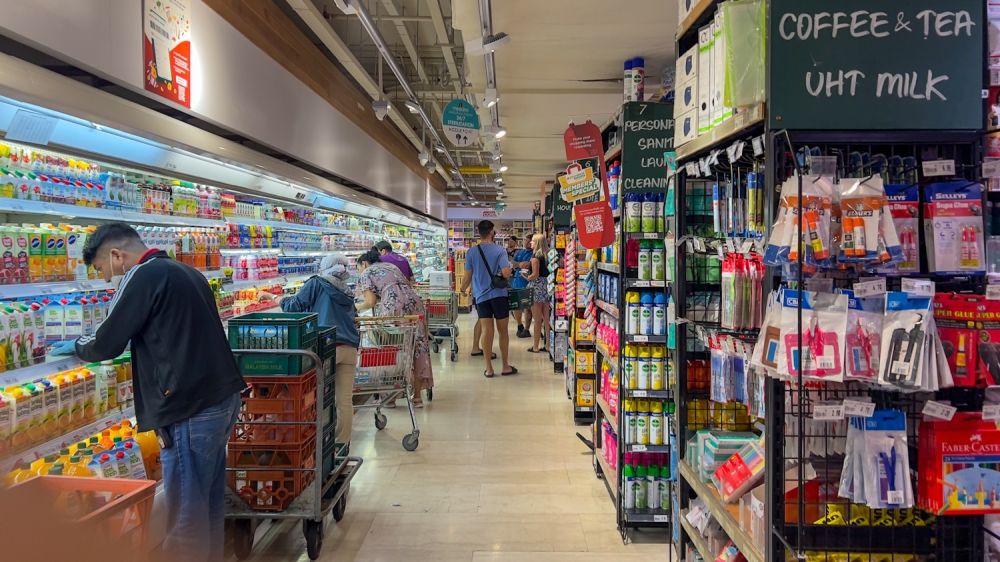
Early responses from consumers, such as stocking up on essential goods, are understandable reactions to uncertainty. However, such actions, if not carefully managed, risk creating artificial shortages and exacerbating market distortions. A more sustainable approach involves measured adjustments to daily routines and purchasing decisions.
Small, individual changes—like reducing non-essential travel, planning purchases with greater deliberation, and minimizing waste—can collectively contribute to a significant reduction in national fuel consumption. This restraint is not merely about personal savings; it directly aids the government in managing its fiscal commitments and ensuring the longer-term availability of vital energy resources.
The Prime Minister recently offered a degree of reassurance, indicating that Malaysia's fuel supply is expected to remain stable at least until June. This assurance, however, is bolstered by proactive government efforts to secure alternative supply channels, demonstrating a commitment to navigating potential disruptions.
The Mounting Cost of Subsidies
The fiscal strain is particularly evident in the ballooning cost of fuel subsidies. With global crude oil prices remaining stubbornly high, the government faces mounting pressure to maintain the subsidized price of RON95 petrol, currently pegged at RM1.99 per litre. This commitment, while essential for public relief, represents a significant fiscal burden.
Recent figures highlight this challenge, with fuel subsidies for petrol and diesel surging dramatically. This increase is directly linked to the escalating global crude oil prices, amplified by international conflicts. The projected fiscal deficit for the upcoming budget cycle is now under scrutiny, with experts suggesting a potential upward revision if current price trends persist.
This scenario necessitates a careful recalibration of budget assumptions, which were initially based on considerably lower crude oil price forecasts. The government's fiscal flexibility, demonstrated during past crises, offers a degree of confidence, but any adjustments must be precise and targeted to avoid undermining economic stability.
Rethinking Subsidy Allocation
One key area for fiscal recalibration lies in refining the fuel subsidy mechanism. Current data suggests that a substantial portion of these subsidies benefits higher-income households, who naturally have higher consumption patterns. This presents an opportunity to reallocate resources more effectively.
A more targeted approach could involve adjusting subsidy benefits for higher-income groups and redirecting those funds to support lower and middle-income households. This strategy aims to maintain affordable fuel prices for those who need it most, without placing an undue burden on public finances. Such a targeted approach is generally viewed as more sustainable and less prone to causing widespread public dissatisfaction than broad consumption restrictions.
Supporting Businesses Through Turbulent Times
Beyond household budgets, the rising cost of operations poses a significant threat to businesses, particularly small and medium enterprises (SMEs). Shrinking profit margins due to increased fuel and input costs can jeopardize business continuity and lead to job losses, a scenario that must be actively avoided.
The government's role in providing targeted support is crucial. This includes offering concessional financing, facilitating loan restructuring, and improving access to credit for businesses facing these economic headwinds. Such measures are vital for maintaining liquidity and ensuring that businesses can continue to operate and employ staff.
In a potentially slowing economic environment, fiscal support can play a key role in stimulating domestic demand. Expanding existing aid schemes, such as those providing basic financial assistance, and enabling broader usage and digital disbursement methods can help keep money circulating within the economy. This benefits not only households but also small traders and local businesses.
A Collective Path Forward
Ultimately, Malaysia's resilience in navigating this period of global economic uncertainty hinges on a coordinated effort involving the government, the business sector, and the public. Responsive fiscal and monetary policies are essential, but they must be complemented by prudent individual and collective actions.
Reduced travel, disciplined spending, and a conscious effort to minimize consumption are not merely personal choices; they are vital contributions to national economic stability. The current situation calls for rational, informed decision-making rather than panic-driven reactions. By working together, citizens can play a significant role in mitigating the impact of rising fuel costs and safeguarding the nation's economic well-being.







 Explore AI Teaching Tools
Comments (0)
Please login to comment
No comments yet
Be the first to comment on this article